
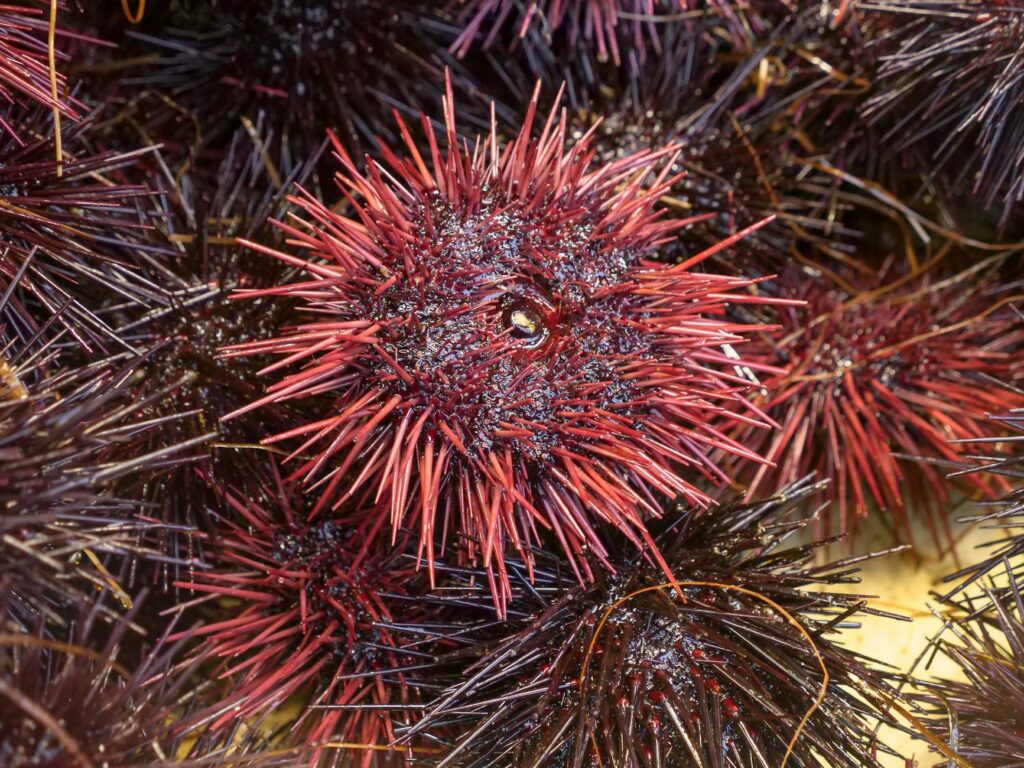
Sea Urchin Production by Country
Introduction
Sea urchins are marine animals belonging to the class Echinoidea, celebrated for their delicate and nuanced flavor, particularly in culinary applications. Often referred to as “uni” in Japanese cuisine, sea urchins have gained international acclaim and are harvested for their gonads, which are considered a delicacy. This article delves into the production of sea urchins across various regions, examining historical contexts, processing methods, quality standards, and the culinary applications that have elevated their status in global gastronomy.
What Is Regions?
Regions, in the context of sea urchin production, refers to the geographical areas where these marine organisms are harvested and cultivated. Each region varies in terms of species, environmental conditions, harvesting techniques, and cultural significance. Understanding the regional characteristics is crucial for appreciating the diverse flavors and qualities of sea urchins available in the market.
History and Origins
The consumption of sea urchins dates back to ancient civilizations, particularly in regions bordering the Pacific Ocean. Indigenous peoples of the Americas, especially in California and along the coasts of Chile, utilized sea urchins as a food source, while in Japan, the practice of consuming uni became prominent during the Edo period (1603-1868). The appreciation for sea urchins has evolved, leading to increased commercial harvesting and aquaculture practices throughout the 20th and 21st centuries.
Today, countries such as Japan, the United States, Canada, and various nations in Europe and Asia are significant players in the sea urchin market. The balance between wild harvesting and aquaculture is essential for sustainable production, particularly as demand continues to rise.
Production and Processing
Countries of Note
1. Japan: Japan is the largest consumer and producer of sea urchins, renowned for its high-quality uni. The species Paracentrotus lividus and Strongylocentrotus intermedius are particularly sought after. Harvesting typically occurs through diving or using specialized equipment.
2. United States: The U.S. has significant sea urchin fisheries, particularly in California and Alaska. The California sea urchin, Strongylocentrotus purpuratus, is highly prized. The production involves both wild harvesting and aquaculture, with sustainability practices gaining traction.
3. Canada: British Columbia is notable for its sea urchin production, primarily focusing on Strongylocentrotus droebachiensis. The region has implemented strict regulations to ensure sustainable harvesting.
4. Chile: Chilean sea urchins are increasingly popular, with Loxechinus albus being the primary species harvested. The country has developed a robust aquaculture industry, focusing on sustainability and export quality.
5. European Union: Several Mediterranean countries, including Spain and Italy, engage in sea urchin harvesting. The species Paracentrotus lividus is common, and local culinary traditions heavily influence processing methods.
Harvesting Techniques
The methods employed in harvesting sea urchins vary by region, often dictated by local regulations and environmental conditions. Common techniques include:
- Diving: Divers collect sea urchins directly from the ocean floor, ensuring minimal impact on the surrounding ecosystem.
- Traps: Some regions utilize traps to capture sea urchins without damaging the habitat.
- Aquaculture: Increasingly, sea urchins are being farmed to meet demand while minimizing overfishing concerns. This method allows for controlled breeding and harvesting, contributing to sustainability.
- Cleaning: The outer shell is carefully opened to extract the gonads, which are then rinsed to remove any debris.
- Quality Control: The harvested gonads are inspected for quality, ensuring they meet market standards before packaging.
- Packaging: Sea urchins are often packaged in ice or refrigerated to preserve freshness during transport.
- Color: High-quality uni typically exhibits a vibrant yellow to orange hue. Color variations may indicate different species or environmental conditions.
- Texture: Fresh uni should have a creamy texture, free from any graininess.
- Flavor: The taste can range from sweet to briny, influenced by the sea urchin’s diet and habitat.
- Source: Opt for sea urchins from reputable suppliers who adhere to sustainable harvesting practices.
- Freshness: Fresh uni should be consumed within a few days of harvesting. Check for signs of spoilage, such as off-odors or discoloration.
- Species: Different species offer distinct flavors and textures. Familiarize yourself with local varieties and their culinary uses.
- Packaging: Ensure that the packaging is intact and properly refrigerated to maintain quality during transportation.
- Sushi and Sashimi: Uni is a staple in sushi restaurants, often served as a topping on rice or as part of sashimi platters.
- Pasta Dishes: Chefs incorporate uni into pasta sauces, adding a rich, umami flavor to dishes.
- Garnishes: Sea urchin is sometimes used as a sophisticated garnish for seafood dishes, enhancing both presentation and taste.
- Spread: Uni can be blended into creamy spreads for toasts or as a filling for delicate pastries.
- Refrigeration: Fresh uni should be stored at temperatures between 32°F to 39°F (0°C to 4°C) and consumed within 48 hours for optimal quality.
- Freezing: While freezing is an option, it may alter the texture. It’s best suited for cooked or processed sea urchins.
- Shelf Life: Fresh sea urchin has a short shelf life due to its perishable nature. Always check for freshness before consumption.
Processing
Post-harvest, sea urchins must be processed with care to maintain their quality. The processing typically involves:
Quality and Grading
Quality assessment of sea urchins is paramount, as it determines market value and consumer acceptance. Factors influencing quality include:
Grading systems may vary by region, but generally, sea urchins are categorized into several grades based on the aforementioned factors. Higher grades command premium prices in culinary markets.
Buying Considerations
When purchasing sea urchins, several factors should be considered:
Uses and Applications
Sea urchins have a range of culinary applications, particularly in fine dining and gourmet settings. Common uses include:
Storage and Shelf Life
Proper storage is key to maintaining the freshness of sea urchins:
Common Misconceptions
1. Sea Urchins Are Only Japanese: While Japan is a leading producer, many countries harvest and consume sea urchins, each with unique characteristics.
2. All Sea Urchins Taste the Same: Flavor profiles can differ significantly based on species, diet, and habitat.
3. They Are Only for Fine Dining: While sea urchins are a delicacy, they can be enjoyed in a variety of culinary settings, including casual dishes.
4. Sea Urchins Are Unsafe to Eat Raw: When sourced from reputable suppliers and handled properly, raw uni is safe and widely enjoyed.
Frequently Asked Questions
1. What types of sea urchins are commonly consumed?
The most commonly consumed types include Strongylocentrotus purpuratus (California sea urchin), Paracentrotus lividus (European sea urchin), and Loxechinus albus (Chilean sea urchin).
2. How can I tell if sea urchins are fresh?
Fresh sea urchins should have a firm texture and a clean ocean scent. Discoloration or a strong, off-putting odor indicates spoilage.
3. Can I eat sea urchins that I collect myself?
It is essential to follow local regulations and guidelines regarding foraging for sea urchins. Ensure you are knowledgeable about species identification and safe handling practices.
4. Are there any environmental concerns with sea urchin harvesting?
Yes, overfishing and habitat destruction are significant concerns. Sustainable harvesting practices and aquaculture are essential to mitigate these issues.
5. How do I prepare sea urchins for consumption?
Preparation typically involves opening the shell and carefully removing the gonads. They can be served raw, cooked, or incorporated into various dishes.
6. Where can I buy sea urchins?
Sea urchins can be purchased at specialized seafood markets, high-end grocery stores, or through online suppliers that focus on sustainable seafood.
In summary, sea urchins represent a unique intersection of culinary tradition and modern gastronomy. Understanding the production practices across different regions enhances appreciation for this exquisite ingredient, ensuring it remains a cherished component of global cuisines.