
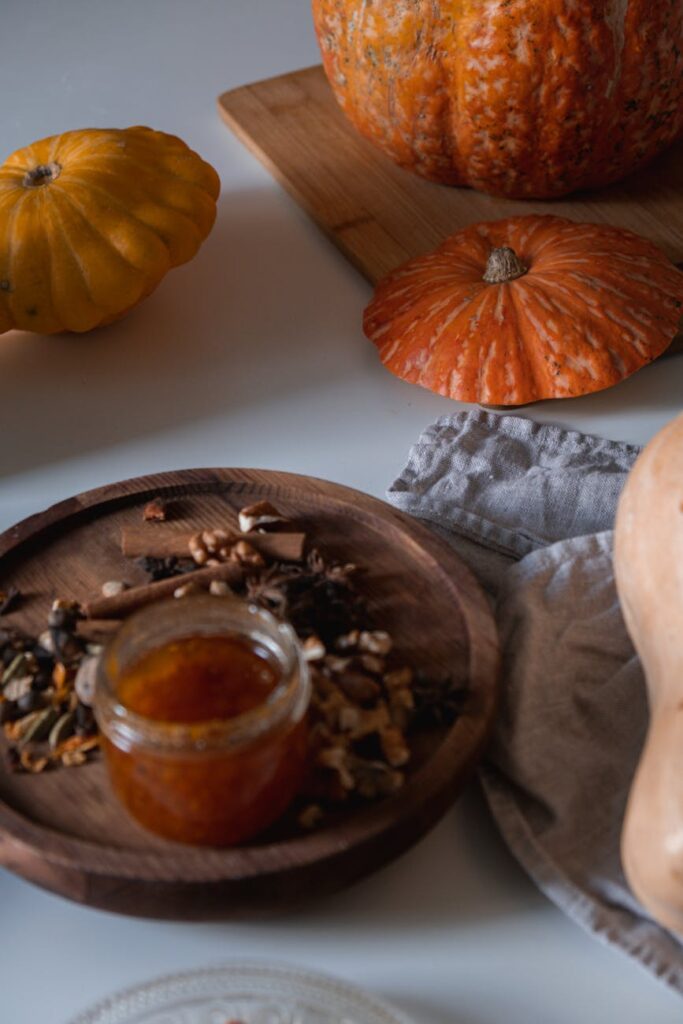
Squash Around the World
Introduction
Squash, a versatile and nutritious ingredient, encompasses a diverse family of fruits that are celebrated globally for their culinary uses and health benefits. From the rich varieties cultivated in North America to the tropical species found in South America and Asia, squash exhibits a remarkable array of flavors, textures, and colors. This article aims to explore the various regions where squash is grown, its historical roots, production practices, and its multifaceted applications in cuisines worldwide.
What Is Regions?
The term “regions” in the context of squash refers to the geographic areas where different varieties of squash are cultivated and consumed. Squash can broadly be categorized into two main types: summer squash and winter squash. Each type thrives in specific climates and soil conditions, resulting in a rich tapestry of local varieties tailored to regional tastes and culinary traditions. Understanding these regions provides insight into the unique characteristics of squash as it is enjoyed around the globe.
History and Origins
The history of squash dates back thousands of years, with its origins traced to the Americas. Archaeological findings suggest that squash was one of the earliest domesticated crops, cultivated by indigenous peoples in Mesoamerica around 8000 B.C. The three sisters’ agricultural practice—comprising squash, beans, and maize—highlights the integral role squash played in sustaining various Native American communities.
As European explorers navigated the globe, they encountered squash in the New World and brought it back to Europe, where it gradually integrated into local cuisines. The adaptable nature of squash allowed it to thrive in diverse climates, leading to the development of numerous varieties across different regions, from the butternut squash of North America to the pumpkin varieties cherished in Europe and Asia.
Production and Processing
Today, squash is cultivated in various parts of the world, reflecting the favorable growing conditions of specific regions. The major producers include the United States, Mexico, China, and Italy, with each country contributing unique varieties to the global market.
United States
In the U.S., squash production is concentrated primarily in California, where the Mediterranean climate supports the growth of summer squash varieties such as zucchini and yellow squash. Winter squash varieties, including butternut and acorn squash, thrive in regions like the Midwest and Northeast.
Mexico
Mexico is home to a rich diversity of squash, including both native and introduced varieties. The country is known for its unique heirloom types, such as the “calabaza,” a large, sweet pumpkin that is a staple in traditional Mexican dishes.
China
China has increasingly become a significant player in the global squash market. The cultivation practices here focus on both traditional and modern techniques, with a range of squash varieties, including the popular “Hokkaido” pumpkin, being grown for both domestic consumption and export.
Italy
Italy is renowned for its heirloom varieties, particularly in regions like Emilia-Romagna and Tuscany. Italian squash, such as the “trombetta di Albenga,” is celebrated for its culinary applications, particularly in pasta dishes and risottos.
Quality and Grading
The quality of squash is determined by various factors, including size, shape, color, and texture. Grading standards may vary by region, but generally, high-quality squash is firm, free from blemishes, and exhibits vibrant coloration.
Grading Systems
In the United States, squash is often graded based on USDA standards, which categorize squash into U.S. No. 1, U.S. No. 2, and U.S. No. 3, with U.S. No. 1 representing the highest quality. Similarly, other countries have their own grading systems that take into account local preferences and market demands.
Buying Considerations
When purchasing squash, consumers should consider the following factors to ensure they select the best quality produce:
1. Seasonality: Squash is typically in season during the summer and fall, with winter squash varieties available throughout the winter months. Local farmers’ markets often provide the freshest options.
2. Variety: Different varieties serve different culinary purposes. For instance, summer squash is best for grilling, whereas winter squash is ideal for roasting or pureeing.
3. Freshness: Look for squash that feels heavy for its size, with a firm skin and minimal blemishes. A dull skin may indicate overripeness.
4. Storage Conditions: If purchasing from a store, ensure that squash is kept in a cool, dry environment to maintain freshness.
Uses and Applications
Squash is celebrated for its culinary versatility, appearing in a wide array of dishes across various cuisines.
Culinary Applications
1. Soups and Purees: Winter squash varieties, such as butternut and acorn, are commonly used to create creamy soups and purees due to their natural sweetness and smooth texture.
2. Salads and Sides: Summer squash, including zucchini, can be spiralized or sautéed to create fresh salads or side dishes, often paired with herbs and light dressings.
3. Baking: Pumpkin, a type of winter squash, is a popular ingredient in pies, breads, and other baked goods, particularly during fall festivities.
4. Stuffed Dishes: Both summer and winter squash can be hollowed out and stuffed with various fillings, ranging from grains to meats, making for visually appealing and satisfying meals.
Storage and Shelf Life
Proper storage is crucial for maintaining the quality and extending the shelf life of squash.
Storage Tips
- Summer Squash: Best stored in the refrigerator, summer squash should be kept in a plastic bag with holes for ventilation. It typically lasts about 1 week.
- Winter Squash: Winter squash can be stored at room temperature in a cool, dry place for several months. A temperature range of 50-60°F is ideal, allowing them to retain flavor and texture.