
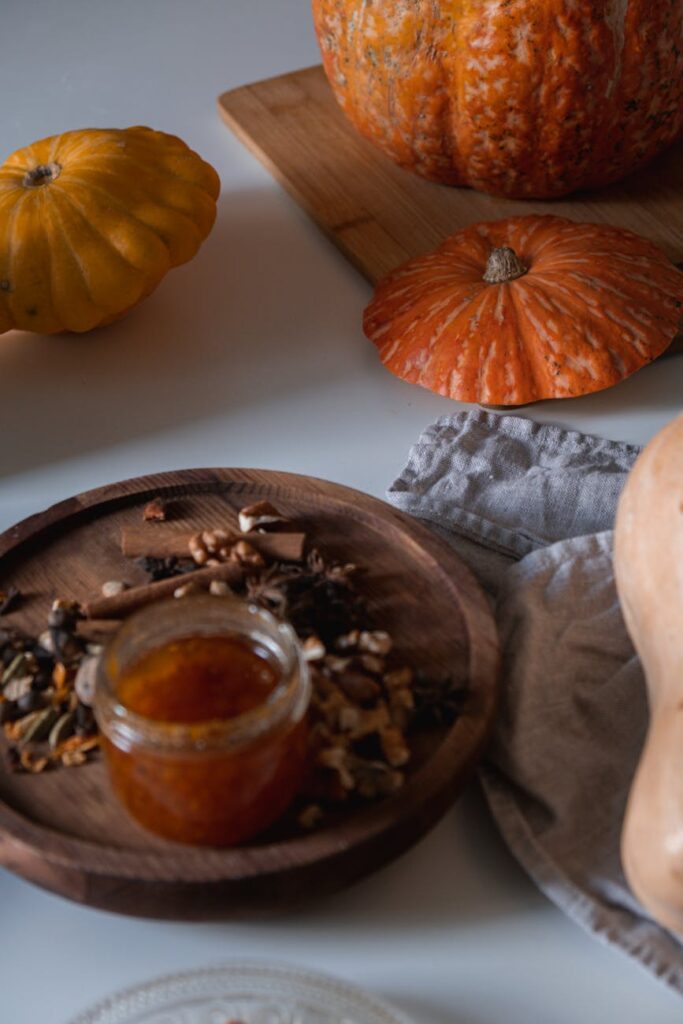
Squash Grading Explained
Introduction
Squash, an umbrella term that encompasses a variety of species within the Cucurbitaceae family, is a staple in kitchens worldwide. Its versatility, nutritional value, and appealing flavors have made it a favored ingredient. However, not all squash is created equal, and understanding the nuances of grading can significantly impact culinary experiences. This article will delve into the complexities of squash grading, exploring its history, production, quality indicators, and practical buying considerations.
What Is Buying?
In the context of food ingredients, “buying” refers to the process of selecting and purchasing products based on specific attributes, such as quality, freshness, and price. For squash, this process becomes particularly important due to the various types available, each with its unique characteristics and culinary applications. Buyers, whether they are chefs, home cooks, or retailers, must consider several factors to ensure they are making informed decisions that will influence the quality of their dishes.
History and Origins
Squash has a rich history that dates back thousands of years. Indigenous peoples in the Americas cultivated squash long before European colonization, with some of the earliest evidence found in Mexico around 10,000 years ago. Squash was one of the “Three Sisters,” alongside corn and beans, forming a staple part of the diet for many Native American tribes.
As explorers and settlers expanded across the Americas, they brought various squash varieties back to Europe, where they adapted to different climates and culinary traditions. Today, squash is grown worldwide, with major production in regions such as North America, Europe, and Asia. This global cultivation has led to a diverse range of varieties, including summer squash, winter squash, and ornamental squash, each with distinct culinary applications.
Production and Processing
Squash production involves several stages, from cultivation and harvesting to packing and distribution. The growth cycle typically begins with planting seeds in well-drained soil, followed by regular watering and pest management. Squash is sensitive to frost, making timing crucial; farmers often plant the seeds after the last frost date.
Once harvested, squash undergoes a processing phase that includes washing, sorting, and grading. During this stage, it is vital to separate squash based on quality, size, and variety, which ultimately influences market value. Proper handling and storage are also essential to maintaining the quality of the squash as it moves through the supply chain.
Quality and Grading
Grading squash involves evaluating its quality based on a set of established criteria. The grading process is crucial not only for producers aiming to meet market standards but also for consumers who want to ensure they are purchasing the best possible product.
Key Criteria for Grading Squash
1. Appearance: The external appearance of squash is the first indicator of quality. Ideal squash should have a vibrant color, smooth skin, and be free from blemishes, cuts, or discolorations. For example, zucchini should be a bright green, while butternut squash should exhibit a creamy tan hue.
2. Size: Different culinary applications may call for specific sizes of squash. For instance, small zucchinis are ideal for grilling, while larger ones may be preferred for roasting. Grading systems often categorize squash by size, which can impact pricing and consumer choice.
3. Firmness: Fresh squash should feel firm to the touch. Soft spots or excessive give can indicate overripeness or decay, which may compromise flavor and texture.
4. Weight: A heavier squash often indicates higher water content, contributing to juiciness. Grading may consider weight relative to size, as denser squash typically offer a richer flavor.
5. Varietal Characteristics: Different squash varieties have unique traits that should be evaluated according to their specific standards. For example, acorn squash should have a distinctive shape and ribbed exterior, while spaghetti squash should have a more elongated form.
Grading Systems
In many regions, squash grading adheres to governmental or industry standards. In the United States, for instance, the USDA has established a grading system that classifies squash into categories such as U.S. No. 1 and U.S. No. 2. U.S. No. 1 squash meets higher quality standards, making it preferable for retailers and consumers. Understanding these grading systems can help buyers make informed choices.
Buying Considerations
When purchasing squash, several factors must be taken into account to ensure optimal quality:
1. Seasonality: Squash is typically harvested in late summer to early fall. Purchasing during peak season can lead to better quality and lower prices.
2. Source: Consider buying from local farmers’ markets or reputable suppliers known for quality products. Local sourcing often results in fresher squash with better flavor and nutrient content.
3. Variety: Familiarize yourself with different squash varieties and their respective culinary uses. Knowing which type of squash complements your dish will enhance your cooking endeavors.
4. Storage Conditions: If you are buying squash in bulk, ensure you have adequate storage conditions to maintain freshness. Squash should be stored in a cool, dry place, away from direct sunlight.
5. Organic vs. Conventional: Some consumers prefer organic squash for environmental or personal reasons. Be sure to check labels and certifications if this is a priority for you.
Uses and Applications
Squash is an incredibly versatile ingredient, finding its way into a myriad of culinary applications. Depending on the variety, squash can be roasted, sautéed, grilled, or pureed into soups and sauces. Summer squash varieties like zucchini and yellow squash are often used in salads, stir-fries, and pasta dishes, while winter squash, such as butternut and acorn, are excellent for hearty soups, casseroles, and baked goods.
Additionally, squash can serve as a nutritious addition to both savory and sweet dishes. The flesh can be roasted to enhance its natural sweetness, while the