
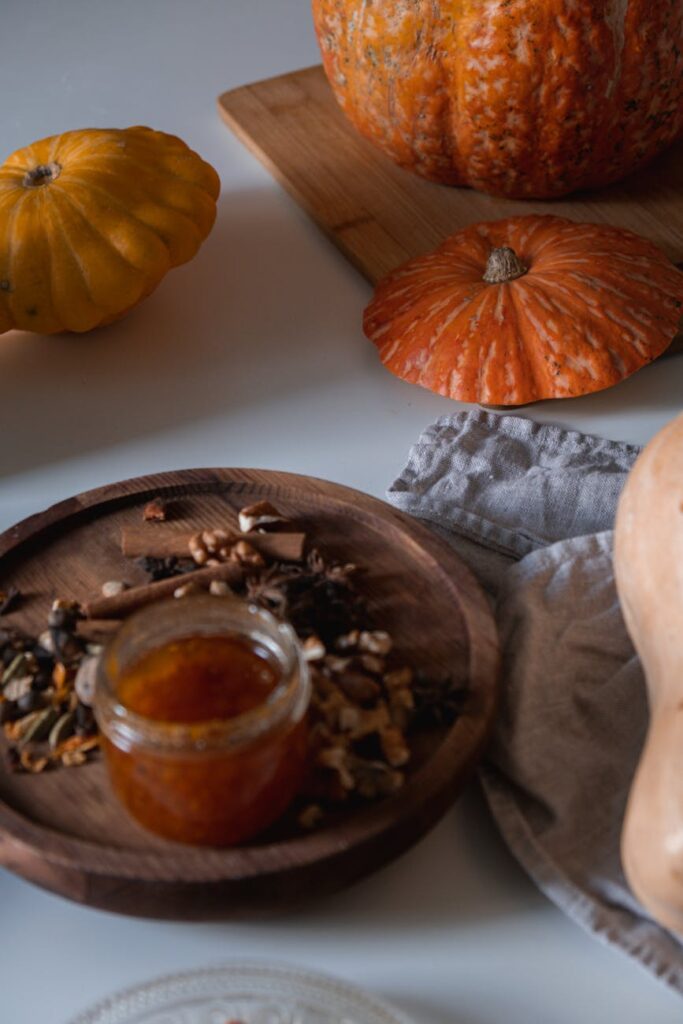
Squash Growing Guide Part 6
Introduction
Squash, a versatile and nutritious member of the gourd family, has become a staple in culinary traditions across the globe. This guide delves into the intricate world of squash cultivation, exploring its history, production methods, quality assessments, and more. By understanding the nuances of growing squash, both seasoned gardeners and novice enthusiasts can enhance their cultivation practices and appreciate this remarkable ingredient.
What Is Growing?
Growing refers to the process of cultivating plants, which involves a series of stages from seed germination to maturity. In the context of squash, this encompasses selecting the right variety, preparing the soil, planting, nurturing the plants through their growth cycle, and ultimately harvesting. The growth of squash is influenced by numerous factors, including climate, soil quality, water availability, and pest management. Understanding these elements is crucial for achieving optimal yield and quality.
History and Origins
The history of squash dates back thousands of years, with evidence suggesting that it was first cultivated in Central America around 10,000 years ago. Ancient civilizations, such as the Maya and Aztecs, revered squash not only for its nutritional value but also for its cultural significance. Over time, squash varieties spread across the Americas and eventually to Europe and Asia, adapted by local farmers to suit different climates and culinary uses.
The diversity of squash today—ranging from summer squash like zucchini to winter squash such as butternut—can be attributed to centuries of selective breeding and cultivation. Each variety carries its own unique flavor, texture, and culinary applications, showcasing the adaptability of this remarkable ingredient.
Production and Processing
Squash production is a significant agricultural enterprise in many regions, particularly in North America, Europe, and parts of Asia. The production cycle typically begins with seed selection, where farmers choose varieties suited to their climate and market demands.
Soil Preparation
Before planting, soil preparation is essential. Squash thrives in well-drained, fertile soil with a pH between 6.0 and 6.8. Incorporating organic matter, such as compost or well-rotted manure, enhances soil fertility and structure.
Planting
Squash can be planted directly in the ground or started indoors and transplanted. The timing of planting varies by region but generally occurs after the last frost date. Seeds should be sown at a depth of about one inch and spaced adequately to allow for the sprawling growth habit of squash plants.
Care and Maintenance
Proper care during the growing season involves regular watering, especially in dry spells, and the application of mulch to conserve moisture and suppress weeds. Fertilization schedules vary, but balanced fertilizers can promote healthy growth. Additionally, monitoring for pests and diseases is vital; common threats include squash bugs, aphids, and powdery mildew.
Harvesting
Harvesting squash occurs at different stages depending on the variety. Summer squash is typically harvested when young and tender, while winter squash is left to mature on the vine until the skin hardens. Timing is crucial, as overripe squash can develop a tough exterior and diminished flavor.
Quality and Grading
Quality assessment in squash involves evaluating several characteristics, including size, shape, color, and firmness.
Grading Standards
Many regions have established grading standards for squash, often classified into categories such as U.S. No. 1, U.S. No. 2, and U.S. Fancy. U.S. No. 1 squash is typically uniform in size, free from blemishes, and has a firm texture. Grading helps both consumers and retailers identify high-quality products while promoting fair pricing in the market.
Factors Affecting Quality
The quality of squash can be influenced by various factors throughout the growing process, including soil conditions, weather patterns, and pest management practices. Harvesting at the correct time and proper handling post-harvest are equally critical in maintaining optimal quality.
Buying Considerations
When purchasing squash, several factors should be taken into account to ensure you select the best quality.
Seasonality
Squash is generally available year-round, but the peak season varies by region and type. Summer squash is best during warmer months, while winter squash is typically harvested in the fall and can be stored for several months.
Appearance and Texture
Look for squash that has a vibrant color, a firm texture, and a smooth skin. Avoid squash with soft spots, blemishes, or signs of decay, as these can indicate spoilage.
Sourcing
Consider purchasing squash from local farmers’ markets or organic farms when possible. This not only supports local agriculture but often results in fresher, tastier produce.
Uses and Applications
Squash is incredibly versatile in the kitchen, with applications ranging from savory dishes to desserts.
Culinary Uses
Summer squash is often featured in stir-fries, salads, and grilled dishes, celebrated for its tender texture and mild flavor. Winter squash, on the other hand, is frequently roasted, pureed for soups, or used in baking, lending a natural sweetness and creamy consistency to recipes.
Non-Culinary Uses
Beyond the kitchen, squash has found its way into decorative arts, particularly during fall harvest festivals. The unique shapes and colors of various squash varieties make them popular choices for seasonal displays.
Storage and Shelf Life
Proper storage is crucial for maximizing the shelf life of squash.
Summer Squash
Summer squash is best consumed shortly after harvest due to its shorter shelf life, typically lasting about 1-2 weeks in the refrigerator. It should be stored in a cool, dry place, ideally in a perforated plastic bag to maintain moisture.
Winter Squash
Winter squash has a longer shelf life, often lasting several months if stored in a cool, dark, and well-ventilated area. Properly cured winter squash can remain edible for up to six months or more.
Common Misconceptions
Several myths surround