
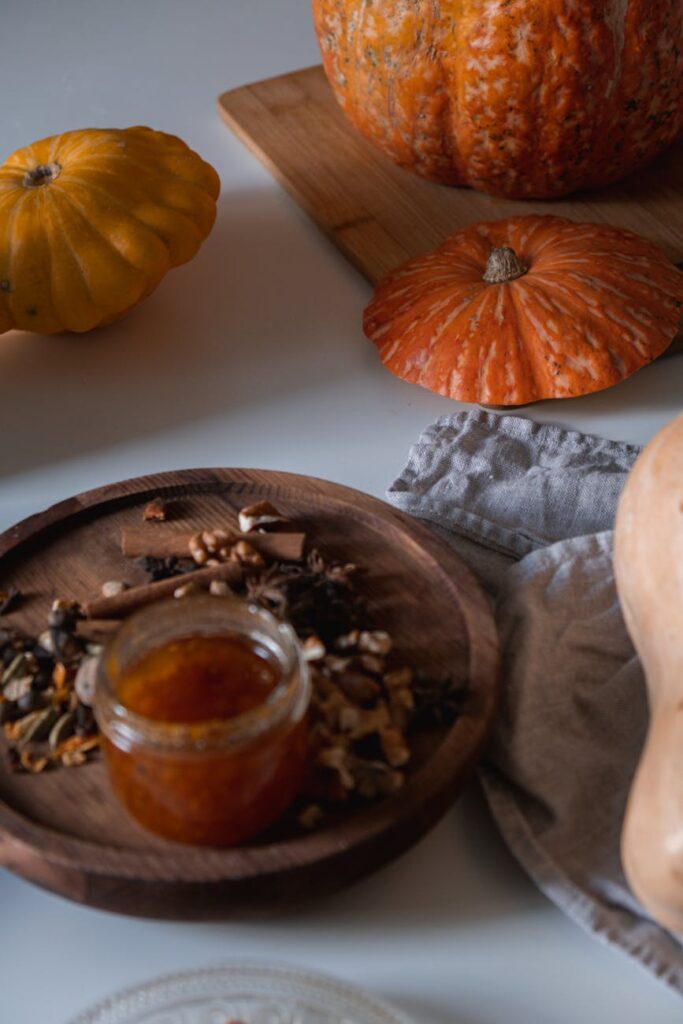
Squash Growing Guide Part 7
Introduction
Squash, a member of the Cucurbitaceae family, embodies a rich tapestry of flavors, textures, and culinary applications. This guide delves into the multifaceted aspects of growing squash, from its historical roots to modern production methods. Understanding the nuances of squash cultivation not only enhances your gardening skills but also enriches your appreciation for this versatile ingredient.
What Is Growing?
Growing, in the context of agriculture and horticulture, refers to the processes involved in cultivating plants. This encompasses everything from seed selection to soil preparation, watering, pest management, and harvesting. Each stage is vital in ensuring that the squash develops optimally, resulting in a bountiful yield of high-quality fruit.
The growth cycle of squash can be divided into several phases: germination, vegetative growth, flowering, fruit set, and maturation. Each phase requires specific environmental conditions and care to ensure successful development, making knowledge of each stage crucial for any aspiring gardener or farmer.
History and Origins
The history of squash dates back thousands of years, with origins traced to the Americas. Archaeological evidence suggests that squash was domesticated in Mesoamerica over 10,000 years ago. The indigenous peoples of North America cultivated several varieties long before European contact, employing the “Three Sisters” planting method alongside corn and beans, which promoted mutual growth and nutrient sharing.
Early European settlers recognized the value of squash, leading to its integration into traditional cuisines across the continent. Today, squash is cultivated worldwide, with countless varieties adapted to diverse climates and culinary preferences, including summer squash, winter squash, and ornamental types.
Production and Processing
Squash production involves several key steps, beginning with selecting the right variety suited to local climate conditions. Common types include zucchini, yellow squash, butternut squash, and acorn squash.
Soil Preparation
Optimal soil conditions are crucial for squash cultivation. A well-drained, fertile soil rich in organic matter is ideal. Conducting a soil test can provide insights into nutrient levels, allowing for targeted amendments. Typically, squash thrives in slightly acidic to neutral pH (6.0 to 7.0).
Planting Techniques
Squash can be grown from seeds or transplants. Direct seeding is common for summer squash, while winter squash often benefits from starting indoors to extend the growing season. The planting depth and spacing vary by variety; generally, seeds should be sown about 1 inch deep, with spacing of 2 to 3 feet between plants to allow for sprawling vines.
Irrigation and Fertilization
Consistent moisture is essential during the growing season. Drip irrigation is often recommended to minimize disease risk by keeping foliage dry. Fertilization should be balanced, with an emphasis on nitrogen during the vegetative phase, transitioning to phosphorus and potassium as fruiting begins.
Pest and Disease Management
Squash is susceptible to several pests, including squash bugs and cucumber beetles. Integrated pest management (IPM) strategies, such as introducing beneficial insects or using row covers, can be effective. Common diseases, such as powdery mildew, can be mitigated through proper spacing, crop rotation, and resistant varieties.
Harvesting
Timing is critical when harvesting squash. Summer squash should be picked while still immature, typically 6 to 8 inches long, while winter squash is harvested when the skin hardens and the fruit changes color. A sharp knife is recommended to cut the stem cleanly, reducing damage to the plant.
Quality and Grading
The quality of squash is determined by several factors, including size, shape, color, and firmness. For commercial grading, standards set by organizations like the USDA help ensure consistency in quality.
- Grade A squash exhibits uniformity in size and color, firm texture, and absence of blemishes.
- Grade B may have minor imperfections but is still suitable for consumption.
- Grade C is often used for processing or culinary applications where appearance is less critical.
- Summer Squash: Best stored in the refrigerator, summer squash typically lasts about 4 to 7 days. It should be kept in a perforated plastic bag to maintain humidity while allowing for air circulation.
- Winter Squash: With its thicker skin, winter squash can be stored at room temperature in a cool, dark place for several months. Once cut, it should be wrapped and refrigerated, where it can last for about a week.
Freshness is paramount, as squash is best consumed shortly after harvest.
Buying Considerations
When purchasing squash, several factors should be considered to ensure quality:
1. Seasonality: Buy in-season squash for optimal flavor and freshness.
2. Appearance: Select squash with a vibrant color, unblemished skin, and firm texture.
3. Size: Choose sizes appropriate for your intended use; smaller squash is often more tender.
4. Organic vs. Conventional: Opt for organic squash when possible, as this often guarantees fewer pesticides and a more sustainable growing approach.
Uses and Applications
Squash is remarkably versatile in culinary applications. Summer squash, with its tender skin and mild flavor, is often grilled, sautéed, or used in salads. Winter squash, characterized by its dense flesh, is commonly roasted, puréed, or used in soups and stews.
Beyond the kitchen, squash also finds its place in cultural traditions and decorative uses, particularly around harvest festivals and holidays. The seeds of squash can be roasted and consumed as a nutritious snack, adding yet another layer to its utility.
Storage and Shelf Life
Proper storage is essential to maximize the shelf life of squash.
Understanding the specific storage conditions can help minimize spoilage and maintain flavor and texture.
Common Misconceptions
Despite its popularity, several misconceptions about squash persist:
1. All Squash Is the Same: There