
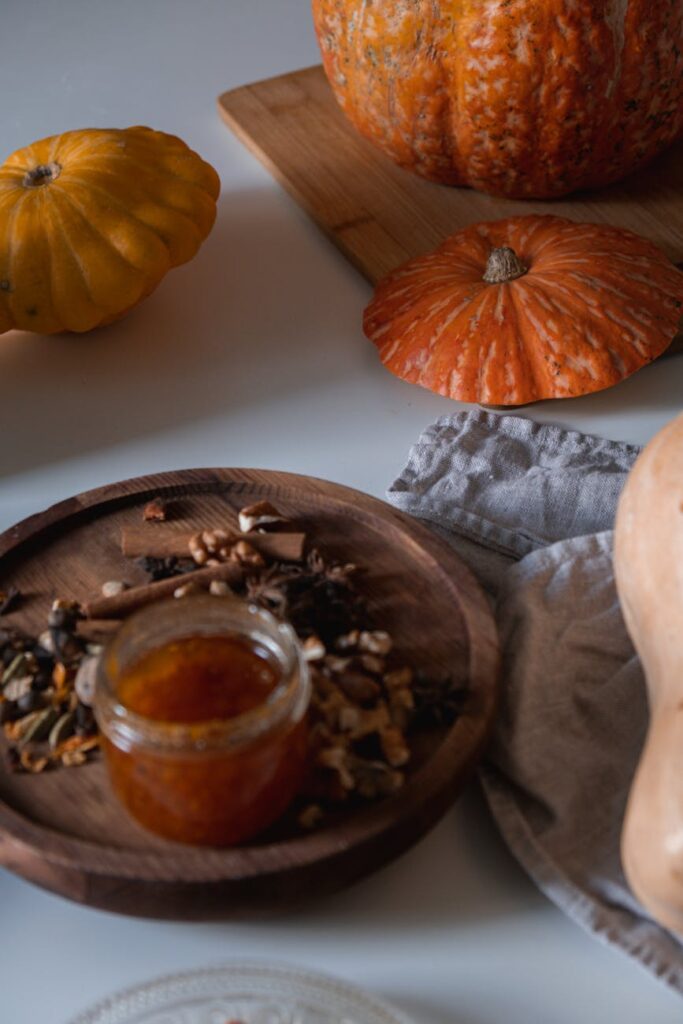
Squash in Traditional Cuisine
Introduction
Squash, a versatile and vibrant vegetable, has played a significant role in traditional cuisines around the world. With its diverse varieties, including zucchini, butternut, acorn, and spaghetti squash, it can be found in countless dishes, from hearty stews to delicate pastries. This article explores the uses of squash in traditional cuisines, delving into its historical significance, production methods, culinary applications, and more.
What Is Uses?
In the context of food ingredients, “uses” refers to the various applications and functions that an ingredient can serve in cooking and food preparation. For squash, its uses extend beyond mere sustenance; it encompasses flavor, texture, nutritional value, and contributions to cultural heritage. Understanding these uses allows chefs and home cooks alike to appreciate the depth and versatility of squash in culinary practices.
History and Origins
Squash has a rich history that traces back thousands of years. Native to the Americas, it was cultivated by Indigenous peoples long before European contact. Archaeological evidence suggests that squash was domesticated in Mesoamerica around 10,000 years ago. It quickly became a staple in the diets of various cultures, including the Aztecs and the Incas.
The cultivation of squash spread north to North America, where it became one of the “Three Sisters” — alongside maize and beans. These three crops were often planted together, as they complemented one another in growth and nutrition. The importance of squash in these cultures is reflected in traditional dishes that highlight its flavor and nutritional content.
With the arrival of European settlers, squash found its way into new culinary traditions, adapting to local tastes and cooking methods. As a result, it has become an integral element of various global cuisines, each with its unique approach to preparation and presentation.
Production and Processing
Squash is typically grown in warm climates and requires a well-drained soil rich in organic matter. The production process begins with the selection of seeds, which vary widely in size, color, and flavor profile. Farmers often choose seeds based on the specific variety they wish to cultivate, such as summer squash, which is harvested immature, or winter squash, which is allowed to mature fully.
The cultivation cycle involves planting, watering, weeding, and pest management. Harvesting usually occurs during the late summer or fall, depending on the variety. After harvesting, squash is often subjected to curing, especially for winter varieties, to enhance flavor and extend shelf life.
Processing can include washing, cutting, and packaging for sale in fresh markets, or further processing into purees, dried products, or canned goods. Such processing methods not only enhance the longevity of squash but also provide diverse forms for culinary use.
Quality and Grading
The quality of squash can be assessed based on several criteria, including size, color, firmness, and the absence of blemishes or signs of decay. High-quality squash will have a vibrant skin, a firm texture, and a weight that feels substantial for its size.
Grading systems may vary by region, but generally, squash is categorized into grades such as U.S. No. 1, which indicates the highest quality, and U.S. No. 2, which may have minor imperfections. It is essential for consumers and culinary professionals to understand these grading standards to select the best possible squash for their needs.
Buying Considerations
When purchasing squash, it is crucial to consider factors such as the type of squash, seasonality, and intended use. Fresh squash is typically available in farmers’ markets and grocery stores year-round, but specific varieties may be more abundant during certain seasons.
For culinary applications, choosing squash that is in season ensures optimal flavor and texture. For example, summer squash like zucchini is often best during late spring and summer, while varieties such as butternut and acorn squash shine in the fall and winter months.
Additionally, consumers should look for squash that feels heavy for its size, with a firm skin and vibrant color. Avoiding squash with soft spots or blemishes is essential for ensuring quality and longevity.
Uses and Applications
Squash is celebrated for its versatility in traditional cuisines, where it is employed in various ways:
Culinary Uses
1. Savory Dishes: Squash is often roasted, steamed, or sautéed, showcasing its natural sweetness and texture. It serves as a base for soups, stews, and casseroles, providing nourishment and depth to dishes.
2. Baking: Certain varieties, like pumpkin and butternut squash, are frequently used in baking. Their natural sweetness enhances breads, muffins, and pies, making them popular in autumnal recipes.
3. Stuffing and Filling: Squash can be hollowed out and stuffed with grains, meats, or vegetables, creating a visually appealing and hearty dish that is both satisfying and nutritious.
4. Purees and Sauces: Squash can be pureed to create smooth sauces or soups, adding creaminess without the need for dairy. This application is particularly popular in vegan and vegetarian cuisines.
Cultural Significance
In many cultures, squash carries a symbolic meaning. In Native American traditions, it is often associated with the harvest and is featured in various festivals celebrating the changing seasons. In Italy, squash blossoms are a delicacy, often stuffed and fried, showcasing the ingredient’s culinary elegance.
Storage and Shelf Life
The storage and shelf life of squash can vary depending on the type. Generally, summer squash should be consumed within a week of purchase, as it has a shorter shelf life due to its high water content. It is best stored in the refrigerator in a perforated plastic bag to maintain freshness.
Winter squash, on the other hand, can last for several months when stored in a cool, dark, and dry place. This extended shelf life makes it a staple ingredient during the colder months, allowing for its use in various traditional dishes.