
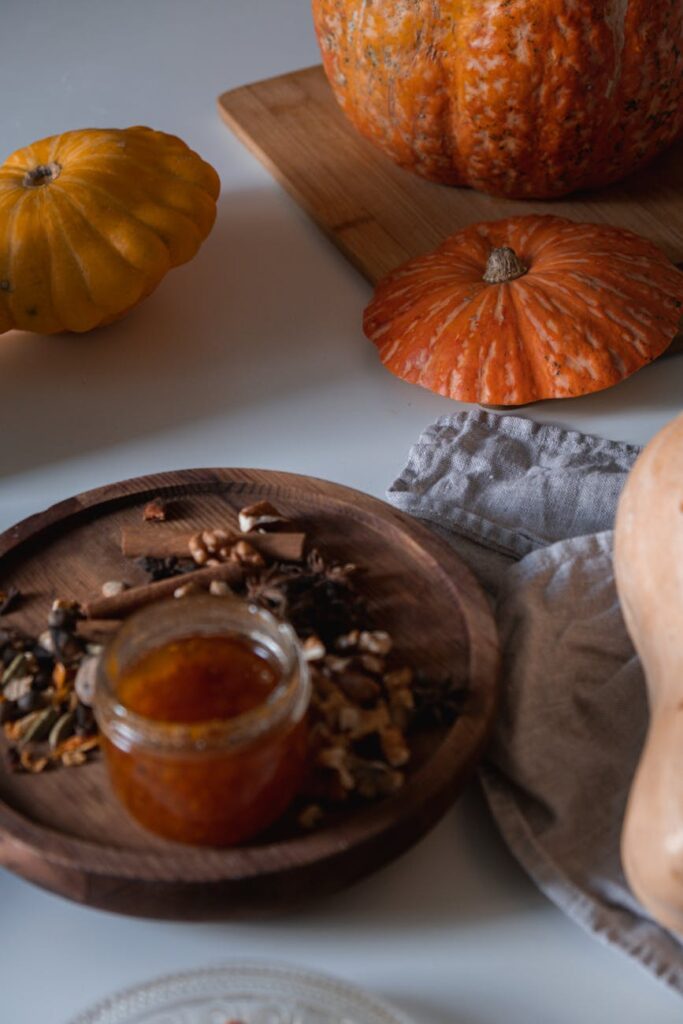
Squash: Origins and Evolution
Introduction
Squash, a versatile and nutrient-rich vegetable, has long been a staple in various culinary traditions around the globe. Recognized for its diverse forms and flavors, squash belongs to the Cucurbitaceae family, which includes cucumbers, melons, and pumpkins. This article delves into the intricate history, production, and various uses of squash, while also addressing common misconceptions and frequently asked questions.
What Is Squash?
Squash can be broadly classified into two main categories: summer squash and winter squash. Summer squash varieties, such as zucchini and yellow squash, are typically harvested while immature and have tender skins and flesh. Conversely, winter squash varieties, including butternut, acorn, and spaghetti squash, are harvested when fully matured. These latter varieties boast thicker skins and denser flesh, making them suitable for long-term storage and various cooking methods.
Rich in vitamins A and C, fiber, and antioxidants, squash offers numerous culinary applications, from soups and stews to baked goods and salads. Its versatility and rich flavor profile make it a favored ingredient in many cuisines.
History and Origins
The history of squash can be traced back to ancient civilizations in the Americas. Archaeological evidence suggests that domesticated squash varieties were cultivated in Mesoamerica as early as 10,000 years ago. The earliest known squash, Cucurbita pepo, was primarily grown in present-day Mexico. Over centuries, indigenous peoples developed various cultivars, adapting them to their climatic and culinary needs.
The introduction of squash to Europe occurred in the 16th century following the Columbian Exchange, a period of significant cultural and agricultural exchange between the Old and New Worlds. European settlers recognized the value of squash as a food source, incorporating it into their diets and agricultural practices. The adaptability of squash allowed it to thrive in diverse environments, leading to the development of numerous varieties worldwide.
The evolution of squash continued with the selection and breeding of specific traits, resulting in an array of forms and flavors. By the 19th century, squash had become a popular crop in North America, especially in the culinary traditions of indigenous peoples and early settlers.
Production and Processing
Squash production occurs in numerous countries, with the United States, Mexico, and Italy being some of the largest producers. The cultivation process involves selecting appropriate varieties based on climate and soil conditions. Squash is often grown in warm regions, requiring a frost-free growing season.
Farmers typically start seeds indoors or directly sow them in well-drained soil after the last frost. Squash plants thrive in full sunlight, necessitating regular watering and maintenance to prevent pests and diseases. Harvesting occurs at different times depending on whether the squash is a summer or winter variety. Summer squash is usually picked when it is small and tender, while winter squash is harvested when fully mature, often identified by its hard skin.
Post-harvest processing includes cleaning, sorting, and grading based on size, color, and quality. Proper handling is essential to maintain freshness and prevent spoilage. In some regions, squash is also canned or frozen for extended shelf life.
Quality and Grading
The quality of squash is determined by several factors, including appearance, texture, and flavor. Fresh squash should have vibrant skin, free from blemishes or soft spots. The flesh should be firm, indicating ripeness and optimal flavor. The grading system for squash typically categorizes them into three grades:
1. Grade A: These are the highest quality squash, featuring uniform size, color, and firmness, with no visible defects.
2. Grade B: Slightly lesser quality, these squash may have minor blemishes or inconsistencies in size and color but are still suitable for consumption.
3. Grade C: These squash are often overripe or damaged, making them less desirable for fresh consumption but may be utilized for processing.
Proper grading ensures that consumers receive high-quality products, while also minimizing waste in the supply chain.
Buying Considerations
When purchasing squash, consider the following factors to ensure optimal quality:
- Seasonality: Different varieties of squash are available at different times of the year. Summer squash is generally available from late spring to early fall, while winter squash is harvested in late summer and fall.
- Appearance: Look for squash with firm skin, vibrant color, and absence of blemishes or soft spots. For winter squash, a dull skin indicates ripeness, whereas shiny skin suggests it is underdeveloped.
- Size: Choose squash that fits your culinary needs. Smaller squash are often more tender and flavorful, while larger varieties can be more fibrous.
- Organic vs. Conventional: Depending on your preferences, consider purchasing organic squash, which typically has fewer pesticides and chemicals.
- Soups and Stews: Squash adds a creamy texture and rich flavor to soups and stews, enhancing both nutrition and taste.
- Salads: Grated or roasted squash can elevate salads, providing color and a nutrient boost.
- Baked Goods: Pureed squash is often used in baking to add moisture and natural sweetness, making it a popular ingredient in muffins, breads, and pies.
- Side Dishes: Roasted or sautéed squash can serve as a delicious side dish, complementing a range of main courses.
- Summer Squash: Best stored in the refrigerator, summer squash typically lasts about 4 to 7 days. It should be placed in a plastic bag with holes to allow for ventilation.
- Winter
Uses and Applications
Squash is a versatile ingredient used in a variety of culinary applications. Its adaptability allows it to be incorporated into numerous dishes:
Additionally, squash seeds are edible and can be roasted for a nutritious snack, while the blossoms of certain squash varieties are also considered a delicacy.
Storage and Shelf Life
Proper storage is crucial for maintaining the quality and longevity of squash. Here are some guidelines: