
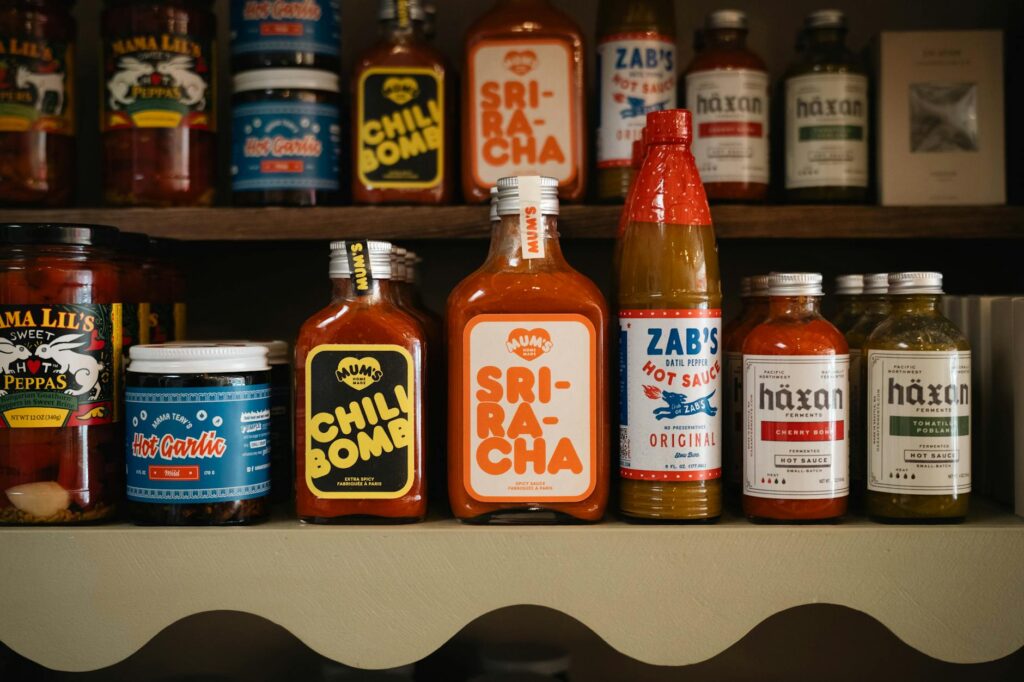
Sriracha About Guide Part 7
Introduction
Sriracha, a vibrant and spicy condiment, has surged in popularity over recent decades, transcending its Asian roots to become a global culinary staple. Named after the coastal city of Si Racha in Thailand, this sauce is characterized by its tangy flavor profile, which balances heat and sweetness. As food enthusiasts increasingly embrace Sriracha, understanding its history, production methods, and applications becomes essential for anyone interested in the culinary arts.
What Is About?
Sriracha is a type of hot sauce made primarily from sun-ripened chili peppers, distilled vinegar, garlic, sugar, and salt. It is known for its smooth, thick consistency and bright red color, which make it visually appealing as well as delicious. The flavor is often described as a harmonious blend of heat and sweetness, with a slight tanginess from the vinegar. While the recipe can vary slightly between brands, the core ingredients remain relatively consistent, allowing for a unique interpretation of this beloved sauce across different cultures.
History and Origins
The origins of Sriracha can be traced back to the coastal town of Si Racha in Thailand, where it was first created in the 1930s by a local woman named Thanom Chakkapak. Initially, the sauce was intended to complement seafood dishes, particularly those featuring fresh fish. Its unique flavor quickly gained popularity, which led to numerous variations being produced by different local vendors.
In the 1980s, Sriracha made its way to the United States, where it was popularized by the Huy Fong Foods brand, founded by David Tran, a Vietnamese immigrant. Tran’s Sriracha sauce, packaged in a distinctive green-capped bottle featuring a rooster logo, became synonymous with the condiment in American culture. The explosion of interest in Asian cuisine in the late 20th century propelled Sriracha into mainstream culinary use, establishing it as a versatile ingredient in various dishes beyond its traditional applications.
Production and Processing
The production of Sriracha begins with the selection of high-quality chili peppers, typically varieties like the Jalapeño or Fresno pepper, known for their vibrant flavor and moderate heat. Once harvested, the peppers are ground into a paste, often combined with garlic, sugar, salt, and vinegar to enhance flavor and preservation.
The fermentation process is a crucial step in Sriracha’s production. In traditional methods, the chili paste is left to ferment for several days to weeks, allowing the natural flavors to develop complexity. This fermentation not only enhances the taste but also contributes to the sauce’s shelf stability.
After fermentation, the mixture is cooked, blended, and strained to achieve its characteristic smooth texture. The final product is then bottled and labeled, ready to be distributed to markets around the globe. Quality control during each stage of production ensures that the final product meets the standards of flavor and consistency expected by consumers.
Quality and Grading
The quality of Sriracha can vary significantly between brands and batches, influenced by factors such as ingredient sourcing, production methods, and fermentation time. High-quality Sriracha will typically feature a robust flavor profile with a balanced heat level, a pleasant sweetness, and a fresh, tangy finish.
When evaluating Sriracha, consider the following factors:
1. Ingredient Quality: Authentic Sriracha should have minimal additives, relying on natural ingredients for flavor and preservation.
2. Heat Level: Different brands may offer varying levels of spiciness. Consider your personal preference and tolerance for heat.
3. Texture: A well-produced Sriracha will have a smooth yet thick consistency, allowing it to cling well to foods.
4. Flavor Balance: The ideal Sriracha will harmonize heat, sweetness, and acidity, creating a complex taste experience.
Many consumers also appreciate brands that emphasize sustainability in sourcing their ingredients, as well as those that maintain traditional production methods.
Buying Considerations
When purchasing Sriracha, several factors can help guide your choice:
1. Brand Reputation: Established brands like Huy Fong Foods are widely recognized for their quality, while smaller artisan brands may offer unique takes on the classic sauce.
2. Ingredient List: Opt for products with natural, recognizable ingredients and minimal preservatives or artificial additives.
3. Heat Preference: Consider trying different brands to find one that matches your desired heat level. Some may also offer milder or hotter variations.
4. Packaging: Look for bottles that protect the sauce from light and air, which can affect freshness and flavor over time.
5. Price: While Sriracha is generally affordable, higher-priced options may indicate premium ingredients or artisanal production methods.
Uses and Applications
Sriracha is an incredibly versatile condiment, lending its unique flavor to a wide array of dishes. Here are some popular applications:
- Condiment: Use Sriracha as a dipping sauce for appetizers like spring rolls, dumplings, or fried foods.
- Marinade: Incorporate Sriracha into marinades for meats, tofu, or vegetables, adding a spicy kick to grilled or roasted dishes.
- Sauce Enhancer: Stir Sriracha into sauces, soups, or stews to elevate their flavor profiles.
- Toppings: Drizzle Sriracha over pizzas, tacos, or burgers for an added layer of flavor.
- Dressings: Mix Sriracha with mayonnaise or yogurt to create spicy dressings or spreads for sandwiches and salads.
The condiment’s adaptability makes it a favorite among chefs and home cooks alike, often serving as a bridge to introduce spice to various cuisines.
Storage and Shelf Life
Proper storage of Sriracha is essential to maintain its quality and flavor. Unopened bottles can typically be stored in a cool, dark place, such as a pantry. Once opened, it is advisable to refrigerate S