
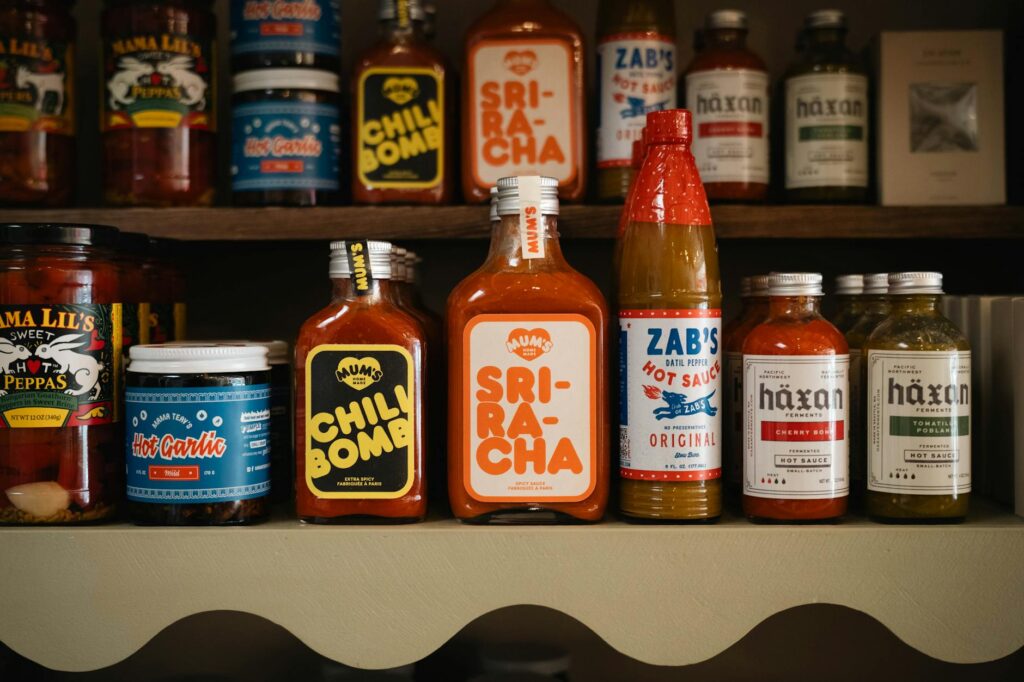
Sriracha Around the World
Introduction
Sriracha has transcended its humble beginnings to become a global culinary phenomenon. Originating from the coastal town of Si Racha in Thailand, this fiery sauce has captured the hearts and palates of food lovers around the world. Its unique flavor profile—an alluring blend of heat, sweetness, and tang—makes it a versatile ingredient in various cuisines. This article delves into the rich tapestry of Sriracha’s regional variations, exploring its history, production methods, uses, and the misconceptions that often surround this beloved condiment.
What Is Regions?
Regions, in the context of Sriracha, refers to the geographical adaptations and variations of the sauce as it spreads across different cultures and culinary landscapes. While the core ingredients—chili peppers, vinegar, garlic, sugar, and salt—remain consistent, regional interpretations contribute unique flavors and textures. These adaptations are influenced by local ingredients, culinary traditions, and consumer preferences, resulting in a diverse array of Sriracha experiences worldwide.
History and Origins
Sriracha’s roots can be traced back to the 1930s in Si Racha, Thailand, where a local entrepreneur named Thanom Chakkapak began producing the sauce. Inspired by the need for a condiment that complemented seafood dishes, Chakkapak developed a blend of red jalapeño peppers, garlic, vinegar, sugar, and salt. The sauce quickly gained popularity among locals, who appreciated its balancing act of heat and sweetness.
By the 1980s, Sriracha made its way to the United States, thanks in large part to the efforts of David Tran, a Vietnamese immigrant. Tran founded Huy Fong Foods in California and began producing his own version of Sriracha, which became iconic for its distinctive green cap and rooster logo. This particular style of Sriracha has become synonymous with the sauce in the U.S., overshadowing its Thai origins and leading to a global explosion in popularity.
Production and Processing
Sriracha production involves several key steps, beginning with the selection of peppers. While the traditional Thai version often uses red jalapeño peppers, variations around the world may incorporate other chili varieties, such as Fresno or Thai bird’s eye chilies. The choice of pepper significantly influences the flavor profile and heat level.
Once harvested, the peppers are washed, de-stemmed, and crushed. This mash is then mixed with vinegar, garlic, sugar, and salt. The mixture is typically allowed to ferment for several days to several weeks, depending on the desired flavor complexity. Fermentation not only enhances the flavor but also contributes to the sauce’s shelf stability.
After fermentation, the mixture is blended into a smooth paste and bottled. Some producers may choose to pasteurize the sauce to extend shelf life, while others maintain a raw version to preserve the natural flavors. Quality control measures are crucial during this stage to ensure the final product meets standards for taste, color, and consistency.
Quality and Grading
The quality of Sriracha can vary significantly based on production methods, ingredient sourcing, and regional adaptations. High-quality Sriracha will typically feature vibrant color, a balanced flavor profile, and a smooth texture. When evaluating Sriracha, consumers should consider the following factors:
- Ingredient List: A shorter ingredient list with recognizable components often indicates a more authentic product. Look for natural ingredients without artificial preservatives or colors.
- Pepper Variety: The type of chili used can greatly affect flavor and heat. Authentic Thai Sriracha typically uses red jalapeños, while other regions may experiment with different varieties.
- Fermentation Method: Traditional fermentation methods can enhance complexity, while mass-produced versions may lack depth.
- Texture: A well-crafted Sriracha should have a smooth, pourable consistency, without being overly watery or too thick.
- Brand Reputation: Established brands with a history of producing Sriracha are often more reliable. Huy Fong Foods, for example, is widely recognized for its authenticity and taste.
- Flavor Preferences: Different brands may offer varying levels of heat and sweetness. Sampling several varieties can help consumers find a Sriracha that suits their palate.
- Packaging: Look for bottles that are sealed properly to maintain freshness. Sriracha is often sold in plastic or glass bottles, with glass often preferred for preserving flavor.
- Storage Instructions: Some brands may recommend refrigeration after opening, while others may not. Always check the label for guidance on storage.
- Dipping Sauce: Sriracha is commonly used as a dipping sauce for spring rolls, dumplings, and fried foods.
- Marinades: The sauce can enhance the flavor of proteins such as chicken, pork, and seafood when used as a marinade.
- Dressings: Sriracha can be mixed with mayonnaise, yogurt, or sour cream to create flavorful dressings for salads or sandwiches.
- Soups and Stews: A dash of Sriracha can elevate the flavor of soups, stews, and noodle dishes, adding depth and heat.
- Pizza and Burgers: Many culinary enthusiasts have embraced Sriracha as a topping for pizza and burgers, substituting it for traditional hot sauces or ketchup.
Buying Considerations
When purchasing Sriracha, consumers should take several factors into account to ensure they select a quality product:
Uses and Applications
Sriracha’s versatility makes it an essential ingredient in various culinary applications. While it is widely recognized as a condiment for Asian dishes, its uses extend far beyond that:
Storage and Shelf Life
Proper storage is essential for maintaining the quality and flavor of Sriracha. Unopened bottles can be stored in a cool, dark place, such as a pantry. Once opened, some brands recommend refrigerating the sauce to prolong its freshness, while others may indicate that it is safe