
Sriracha FAQs Answered
Introduction
Sriracha, a vibrant and versatile hot sauce, has captured the hearts (and taste buds) of culinary enthusiasts around the world. Known for its unique balance of heat, sweetness, and garlicky undertones, Sriracha has become a staple condiment in many kitchens and restaurants. This article aims to explore the multifaceted world of Sriracha, addressing common questions and providing a comprehensive understanding of this beloved ingredient.
What Is Sriracha?
Sriracha is a type of hot sauce made primarily from chili peppers, vinegar, garlic, sugar, and salt. It is characterized by its bright red color and smooth, thick texture. The heat level can vary based on the type of chili peppers used, but Sriracha generally maintains a moderate spice profile, making it accessible to a wide range of palates.
Originally hailing from Thailand, Sriracha has evolved into a global phenomenon, finding its way into an array of dishes beyond its traditional usage. The sauce is often celebrated for its ability to enhance flavors without overwhelming the palate, making it a favorite among chefs and home cooks alike.
History and Origins
The history of Sriracha dates back to the 1930s, when a Thai woman named Thanom Chakkapak began making a chili sauce in the coastal town of Si Racha. The sauce became popular among locals, who enjoyed it with seafood. As the recipe spread, various adaptations emerged, ultimately leading to the creation of the version most widely recognized today.
In the 1980s, David Tran, a Vietnamese immigrant, established Huy Fong Foods in California, where he began producing his own interpretation of Sriracha. Tran’s version, packaged in a distinctive green-cap bottle, became synonymous with the sauce in the United States. Its meteoric rise in popularity marked a significant turning point, transforming Sriracha from a regional condiment into a global culinary staple.
Production and Processing
The production of Sriracha involves several key steps:
1. Ingredient Selection: The primary ingredient, chili peppers, is typically harvested at peak ripeness to ensure maximum flavor. Other ingredients include garlic, sugar, vinegar, and salt, each contributing essential characteristics to the final product.
2. Fermentation: Many traditional Sriracha recipes call for fermentation of the chili paste to develop depth of flavor. Fermentation can take several weeks, allowing the natural sugars to break down and the flavors to meld.
3. Blending: Once the chilies have fermented, they are blended with the other ingredients to create a smooth sauce. The blending process is crucial as it affects the final texture and flavor profile.
4. Bottling: After blending, the sauce is bottled for distribution. Some producers pasteurize their Sriracha to enhance shelf stability.
The entire process varies among manufacturers, with some adhering to traditional methods while others opt for modern production techniques to meet growing consumer demand.
Quality and Grading
Quality in Sriracha is largely determined by the ingredients used and the production methods employed. Authentic Sriracha, particularly those adhering closely to traditional recipes, often features high-quality, fresh chili peppers, which contribute to a more vibrant flavor profile.
Grading can be subjective, as personal taste preferences play a significant role. However, key indicators of quality include:
- Heat Level: A well-balanced heat that complements rather than overwhelms other flavors.
- Flavor Complexity: The presence of garlic and sweetness should enhance the chili flavor without overshadowing it.
- Texture: A smooth, pourable consistency is ideal for a versatile hot sauce.
- Ingredients: Look for a product that uses real chili peppers, garlic, and natural sweeteners. Avoid those with artificial flavors or preservatives.
- Heat Level: Different brands may offer varying levels of heat. If you’re sensitive to spice, consider starting with a milder version.
- Brand Reputation: Established brands with a history of quality, such as Huy Fong Foods, are often more reliable. However, emerging artisanal brands may offer unique takes on traditional recipes.
- Packaging: A bottle with a squeeze top can provide better control over how much sauce you dispense, which is particularly useful for drizzling or dipping.
- Condiment: It works beautifully as a condiment for burgers, sandwiches, and tacos.
- Marinade: Sriracha can be blended with other ingredients to create flavorful marinades for meats and vegetables.
- Dipping Sauce: Mix Sriracha with mayonnaise, yogurt, or sour cream for a spicy dipping sauce ideal for fries, wings, or fresh vegetables.
- Soups and Stews: A dash of Sriracha can elevate the flavor of broths, soups, and stews, adding depth and a hint of heat.
- Drizzled on Dishes: Sriracha can be drizzled over dishes like rice bowls, eggs, or salads, providing a pop of color and flavor.
- Unopened Bottles: Store in a cool, dark place, such as a pantry or cupboard. An unopened bottle can last for up to two years.
- Opened Bottles: Once opened, Sriracha should be refrigerated to preserve its flavor and quality. It can last for several months in the refrigerator, typically up to six months or longer, depending on the brand and ingredients.
- All Sriracha Is the Same: Many people assume all Sriracha sauces are identical, but variations exist based on regional ingredients and preparation methods. Each brand may offer a unique flavor profile.
- It’s Just for Asian Cuisine: While Sriracha originated in Thailand, its versatility allows it to complement a variety of cuisines, making it suitable for Western dishes, Mediterranean flavors, and more.
- Sriracha Is Just a Hot Sauce: While it does carry heat, Sriracha is also characterized by its sweetness and garlic flavor, making it distinct from other hot sauces that may focus solely on heat.
Consumers are encouraged to read labels carefully and opt for products that list whole food ingredients without artificial additives or preservatives.
Buying Considerations
When purchasing Sriracha, consider the following factors:
Uses and Applications
Sriracha is an incredibly versatile ingredient, finding its way into a wide variety of culinary applications:
Its adaptability makes Sriracha an essential pantry item for anyone looking to enhance their meals with a bit of spice.
Storage and Shelf Life
Sriracha has a relatively long shelf life due to its vinegar content, which acts as a preservative. To maintain its quality, follow these storage guidelines:
Always check for any changes in color, odor, or texture before using, especially if it has been stored for an extended period.
Common Misconceptions
Despite its popularity, several misconceptions about Sriracha persist:
Recognizing these nuances can deepen one’s appreciation for this beloved condiment.
Frequently Asked Questions
1. Is Sriracha gluten-free?
Yes, most Sriracha sauces are gluten-free, as they primarily consist of chili peppers, vinegar, garlic, sugar, and salt. However, it’s essential to check the label for any potential cross-contamination or added ingredients.
2. Can I make my own Sriracha at home?
Absolutely! Homemade Sriracha allows you to customize the ingredients to suit your taste. By using fresh chili peppers, garlic, vinegar, and sugar, you can create a sauce tailored to your preferences.
3. What types of chili peppers are used in Sriracha?
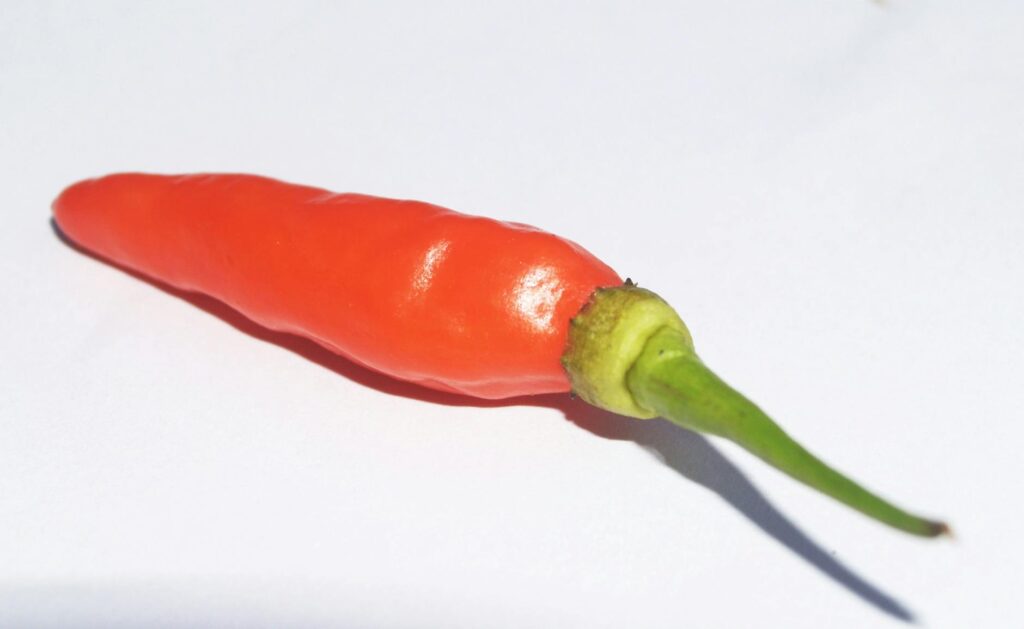
The most common chili pepper used in Sriracha is the red jalapeño. However, variations may include other types of peppers, such as Fresno or Thai chilis, depending on the brand or recipe.
4. Is Sriracha vegan?
Yes, traditional Sriracha is vegan, as it is made from plant-based ingredients. However, always check the label to ensure that no animal-derived additives are present.
5. Can Sriracha expire?
While Sriracha has a long shelf life due to its preservative ingredients, it can lose flavor and quality over time. Always inspect for signs of spoilage, such as changes in color or odor.
6. How can I reduce the heat of Sriracha in a dish?
To temper the heat of Sriracha, consider mixing it with ingredients such as yogurt, sour cream, or mayonnaise. Additionally, adding sweet elements like honey or sugar can help balance the spice.
Conclusion
Sriracha is more than just a hot sauce; it represents a blend of tradition, innovation, and global culinary influence. Understanding its origins, production, and applications can enhance one’s appreciation for this iconic condiment. Whether you’re a long-time fan or a newcomer, Sriracha offers endless possibilities for flavor enhancement in your culinary endeavors.