
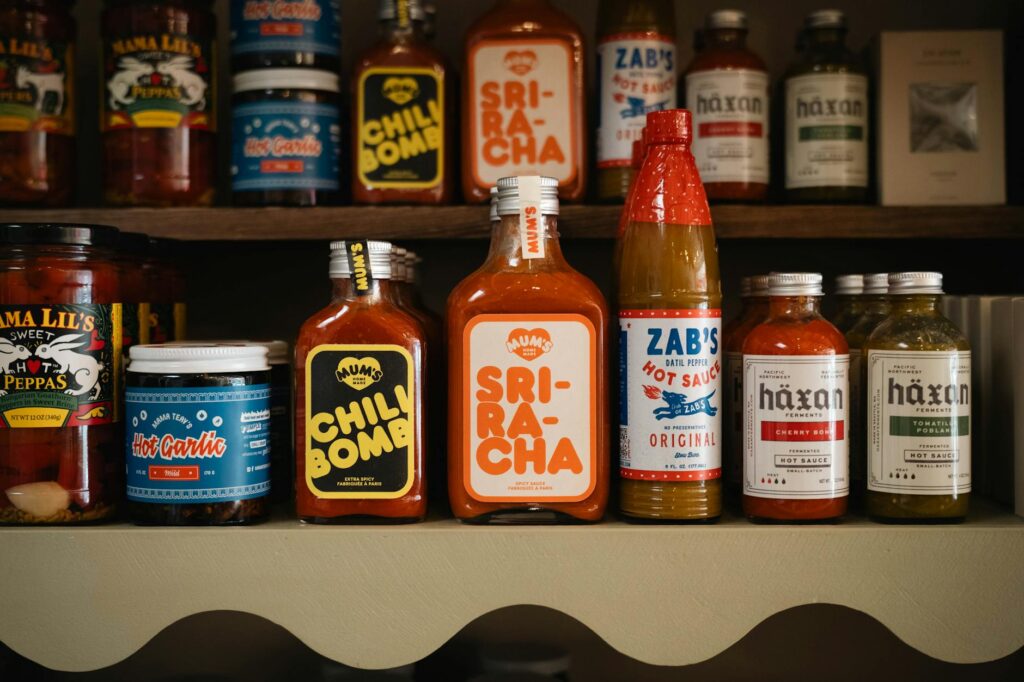
Sriracha in Traditional Cuisine
Introduction
Sriracha, a vibrant red chili sauce, has risen from local culinary staple to a global phenomenon. Known for its distinctive flavor profile—a harmonious blend of heat, sweetness, and tang—Sriracha is more than just a condiment; it is a cultural icon that has found its way into kitchens and dishes around the world. This article delves into the uses of Sriracha within traditional cuisine, exploring its history, production, and various applications, while also addressing common misconceptions about this beloved sauce.
What Is Uses?
In the context of culinary ingredients, “uses” refer to the various ways in which a particular ingredient can be incorporated into dishes, enhancing flavor, texture, and overall culinary experience. For Sriracha, its uses extend beyond mere seasoning; it serves as a foundational element in sauces, marinades, dressings, and even desserts. Understanding these uses is essential for chefs and home cooks alike, as it allows for greater creativity and innovation in the kitchen.
History and Origins
Sriracha sauce finds its roots in the coastal city of Si Racha, Thailand, where it is believed to have been created in the 1930s. The sauce was initially made by local seafood vendors who sought to enhance the flavor of their dishes. The original recipe was relatively simple, consisting of chili peppers, garlic, vinegar, sugar, and salt.
The sauce gained popularity over the decades, particularly after its introduction to the United States by David Tran, a Vietnamese immigrant. In 1980, Tran began producing Huy Fong Foods’ Sriracha sauce in California, packaging it in iconic green-capped bottles. This version of Sriracha—characterized by its thicker texture and unique flavor profile—quickly gained a cult following, becoming a staple in American kitchens and restaurants.
Production and Processing
The production of Sriracha involves several steps that contribute to its signature taste. The primary ingredient, chili peppers, is typically harvested when ripe and then ground into a paste. This paste is mixed with garlic, vinegar, sugar, and salt, and then allowed to ferment for a short period. The fermentation process not only enhances the flavor but also provides a depth of umami that sets Sriracha apart from other hot sauces.
After fermentation, the mixture is cooked to achieve the desired consistency and flavor balance. The final product is bottled and shipped to markets worldwide. The attention to quality during production is crucial, as variations in the chili pepper’s freshness and type can significantly impact the sauce’s overall flavor.
Quality and Grading
When it comes to Sriracha, quality is paramount. The grading of Sriracha often depends on several factors, including the quality of the chili peppers used, the balance of ingredients, and the production methods employed. High-quality Sriracha typically features a bright red color, a thick consistency, and a well-rounded flavor profile that balances heat, sweetness, and acidity.
Consumers should look for Sriracha that lists fresh, natural ingredients without unnecessary additives or preservatives. Many artisanal producers now create small-batch Sriracha, focusing on local ingredients and unique flavor profiles, further elevating the quality of this beloved sauce.
Buying Considerations
When purchasing Sriracha, there are several factors to consider to ensure the best experience. First, pay attention to the ingredient list. Authentic Sriracha should primarily consist of chili peppers, vinegar, garlic, sugar, and salt. Avoid options with artificial flavors, preservatives, or excessive additives.
Next, consider the brand. While Huy Fong Foods is the most recognized name, numerous artisanal brands offer unique twists on the traditional recipe. Sampling different brands can reveal varied heat levels and flavor complexities. Additionally, check for packaging integrity; well-sealed bottles are essential for preserving freshness.
Finally, consider the intended use. Some Sriracha varieties are specifically made for cooking, while others are designed as table sauces. Understanding the nuances of each type can enhance the culinary experience.
Uses and Applications
Sriracha’s versatility allows it to be incorporated into a myriad of dishes across various cuisines. Here are some noteworthy applications:
1. Condiment
The most common use for Sriracha is as a condiment. It can be drizzled over eggs, burgers, or tacos, adding a spicy kick to any dish. Its balance of sweetness and acidity makes it a perfect complement to fatty foods.
2. Marinades
Sriracha can serve as a base for marinades, providing flavor and heat to meats and vegetables. Its acidity helps tenderize proteins, making it ideal for grilling or roasting.
3. Dipping Sauces
Sriracha is often incorporated into dipping sauces, where it can be mixed with mayonnaise, yogurt, or sour cream to create a creamy, spicy accompaniment for fried foods, spring rolls, or seafood.
4. Soups and Stews
In traditional Asian cuisines, Sriracha can be added to soups and stews for a depth of flavor. Its robust heat complements the umami notes found in broths, enhancing the overall taste of the dish.
5. Salad Dressings
Sriracha can also elevate salad dressings. Combining it with ingredients like sesame oil, lime juice, and honey can create a vibrant dressing that adds a kick to salads, especially those featuring grilled vegetables or proteins.
6. Desserts
While unconventional, Sriracha has found its way into confectionery as well. Its heat can be balanced with chocolate or fruit-based desserts, creating a surprising and delightful contrast.
Storage and Shelf Life
Proper storage of Sriracha is essential to maintain its flavor and quality. After opening, it should be stored in a cool, dark place, such as a pantry or refrigerator. The high acidity levels of Sriracha contribute to its long shelf life, allowing it to remain fresh