
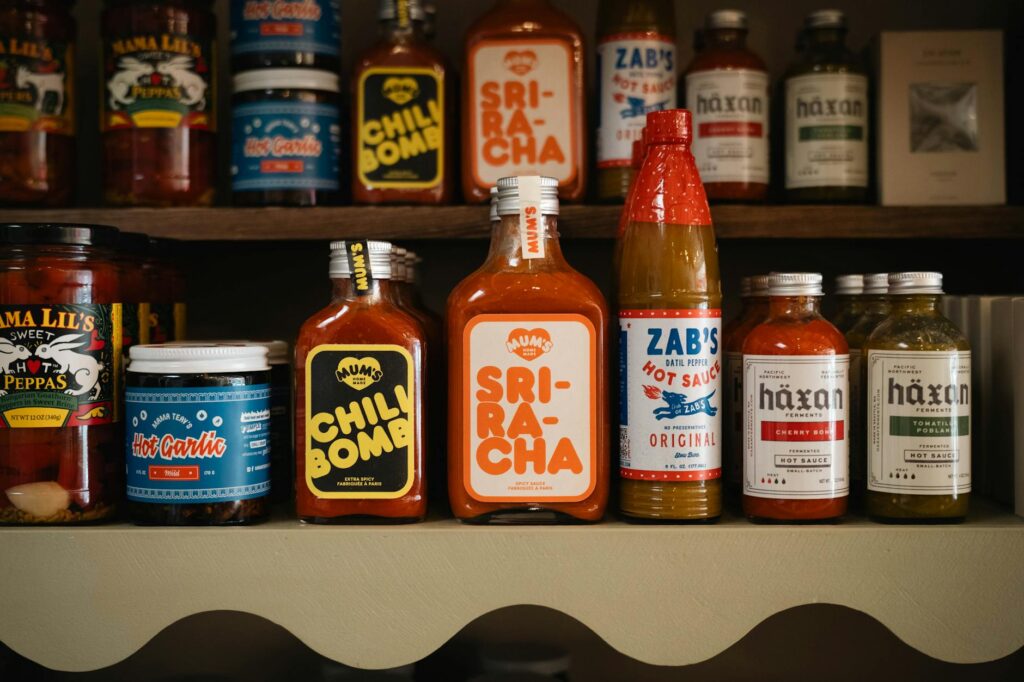
Sriracha Uses Guide Part 6
Introduction
Sriracha, a vibrant chili sauce known for its distinctive flavor and versatility, has gained immense popularity worldwide. Often associated with Thai cuisine, Sriracha has transcended cultural boundaries, finding its way into diverse culinary applications. This guide explores the multifaceted uses of Sriracha, delving into its history, production methods, quality considerations, and much more.
What Is Uses?
The term ‘uses’ in the context of food ingredients refers to the various applications and functions that a particular ingredient can serve in culinary practices. Sriracha is not just a condiment; its uses extend beyond mere flavor enhancement to include marinades, dips, dressings, and even as a cooking ingredient. Understanding these uses can elevate one’s culinary repertoire and enhance the dining experience.
History and Origins
Sriracha sauce traces its roots back to the coastal town of Si Racha in Thailand, where it was first produced by a local woman named Thanom Chakkapak in the 1930s. Originally designed as a dipping sauce for seafood, its unique blend of chilies, garlic, vinegar, sugar, and salt quickly gained popularity. The sauce’s global spread can largely be attributed to Huy Fong Foods, founded by David Tran, a Vietnamese immigrant who began manufacturing Sriracha sauce in the United States in the 1980s. The bright green cap and iconic rooster logo have become symbols of this beloved condiment.
Production and Processing
The production of Sriracha involves several key steps, including the selection of high-quality chili peppers, fermentation, and bottling.
1. Chili Selection: The most commonly used chili for Sriracha is the red jalapeño, which offers a balance of heat and flavor. Other varieties may be used depending on the desired profile.
2. Fermentation: The chili peppers are ground into a paste and mixed with garlic, sugar, salt, and vinegar. This mixture undergoes a fermentation process, allowing the flavors to meld and develop complexity. This step is crucial in defining Sriracha’s unique taste.
3. Bottling: After fermentation, the sauce is strained to achieve the desired consistency and then bottled for distribution. Quality control measures ensure that each batch meets the high standards expected by consumers.
Quality and Grading
Quality in Sriracha sauce can be assessed based on several factors, including flavor balance, texture, and ingredient sourcing. Premium Sriracha products often feature:
- Natural Ingredients: Look for sauces that use fresh, natural ingredients without artificial preservatives or additives.
- Flavor Profile: A well-balanced Sriracha should have a harmonious blend of heat, sweetness, and tang.
- Texture: The sauce should be smooth yet slightly thick, allowing it to cling to food without being overly viscous.
- Fried Foods: Its heat complements the richness of fried chicken, spring rolls, and French fries.
- Seafood: Sriracha enhances the natural flavors of shrimp, fish, and crab dishes.
- Soups and Stews: A spoonful of Sriracha can elevate broths and add a kick to hearty stews.
- Stir-fries: Incorporating Sriracha in the final stages of cooking enhances the flavor profile of stir-fried vegetables and proteins.
When purchasing Sriracha, checking for quality certifications or awards can also serve as indicators of superior products.
Buying Considerations
When selecting Sriracha sauce, several factors should be considered to ensure the best choice for your culinary needs:
1. Brand Reputation: Well-known brands often have established quality control processes. Huy Fong Foods is the most recognizable name in Sriracha, but several artisanal brands also offer unique takes on the classic.
2. Heat Level: Different brands and varieties of Sriracha can vary significantly in heat. Some may offer milder options, while others might be significantly spicier. Reading labels and reviews can help guide your choice.
3. Ingredient Transparency: Consider sauces made with organic or locally sourced ingredients, as these often provide a fresher taste and support sustainable practices.
4. Packaging: Glass bottles are generally preferred over plastic, as they can better preserve flavor and prevent leaching of chemicals.
5. Sourcing: Look for sauces that specify the origin of their chilies, as this can impact flavor and quality.
Uses and Applications
Sriracha’s versatility allows it to be utilized in various culinary contexts, making it a staple in many kitchens. Here are some notable applications:
1. Condiment
Sriracha is commonly used as a dipping sauce for a variety of foods, including:
2. Marinades and Sauces
Incorporating Sriracha into marinades adds depth and complexity. The sauce can be combined with soy sauce, lime juice, and sesame oil for a flavorful marinade perfect for meats and tofu.
3. Dressings
A simple blend of Sriracha, vinegar, and oil makes for a dynamic salad dressing. Adding ingredients like honey or peanut butter can create a creamy texture that works well for slaws and grain salads.
4. Cooking Ingredient
Sriracha can be added during the cooking process to impart flavor in dishes such as:
5. Garnishing
Drizzling Sriracha over finished dishes not only enhances the flavor but also adds an appealing visual element. It works well on avocado toast, eggs, and even pasta.
6. Baking
Surprisingly, Sriracha can be used in baked goods, imparting a unique flavor to items such as spicy cookies or bread. This unconventional use showcases its adaptability beyond traditional applications.
Storage and Shelf Life
To maintain the quality and flavor of