
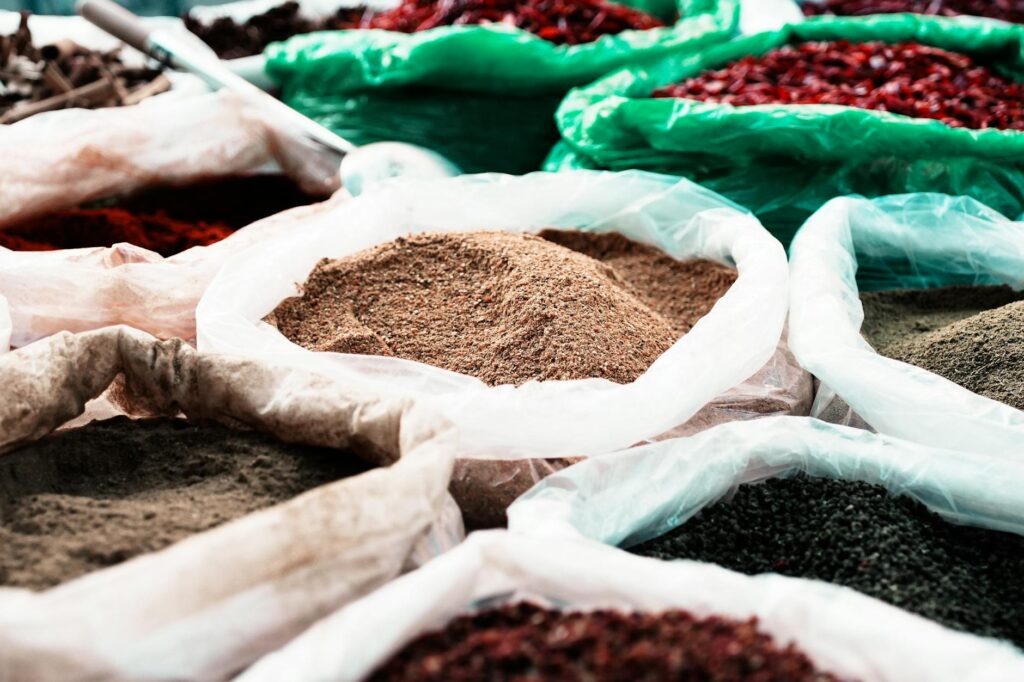
Sugar Production by Country
Introduction
Sugar, a staple ingredient in kitchens and food industries worldwide, transcends mere sweetness to play a vital role in flavor enhancement, preservation, and texture in various culinary applications. The production and processing of sugar is a complex endeavor influenced by geography, climate, and agricultural practices. This article delves into sugar production by country, exploring the regions where it thrives, its historical context, production processes, quality standards, and its myriad applications in both home and industrial settings.
What Is Regions?
In the context of sugar, “regions” refer to the geographical areas where sugarcane and sugar beet are cultivated. These regions are often defined by climatic conditions, soil types, and agricultural practices that favor the growth of these sugar-producing plants. Globally, sugar production is primarily concentrated in tropical and subtropical regions for sugarcane, while temperate climates are typically suited for sugar beet cultivation.
History and Origins
The origins of sugar can be traced back to ancient civilizations in Southeast Asia, particularly in regions that now comprise India and New Guinea. The indigenous peoples of these areas cultivated sugarcane, extracting its juice and crystallizing it into edible forms. By the 7th century, knowledge of sugar production had spread to Persia and the Middle East, paving the way for its introduction to Europe during the Crusades.
The establishment of sugar plantations in the Caribbean and the Americas during the colonial period marked a significant turning point in sugar production. The demand for sugar surged, particularly in Europe, leading to the establishment of vast plantations reliant on enslaved labor. This dark chapter in history profoundly influenced the global economy and agricultural practices that persist today.
Production and Processing
Sugarcane Production
Sugarcane, a tall tropical grass, thrives in warm climates with ample sunlight and rainfall. Major producers include Brazil, India, China, Thailand, and the United States. The production process begins with planting sugarcane, which takes about 12 to 18 months to mature. Once harvested, the cane is crushed to extract juice, which is then clarified and boiled to produce raw sugar. The final steps involve further purification and crystallization to create white sugar.
Sugar Beet Production
Sugar beet, a root vegetable, is predominantly grown in temperate regions, including Europe and North America. Countries like France, Germany, and the United States are leading producers. The cultivation process involves sowing seeds in well-drained soil during spring. After approximately five to six months, beets are harvested, washed, and sliced to extract sugar. The juice undergoes a similar refining process as sugarcane, resulting in granulated sugar.
Environmental Considerations
The production of sugar, particularly sugarcane, raises environmental concerns, including deforestation, soil depletion, and water usage. Sustainable farming practices and innovations in processing are critical to mitigating these issues. Countries are increasingly adopting methods that prioritize environmental stewardship, such as integrated pest management and reduced chemical inputs.
Quality and Grading
Sugar is graded based on its purity, color, and granulation. The International Commission for Uniform Methods of Sugar Analysis (ICUMSA) provides guidelines for grading sugar, ensuring consistency across borders. Common grades include:
- Raw Sugar: Contains residual molasses and is brownish in color.
- White Sugar: Refined and purified, with a high degree of sweetness and minimal impurities.
- Specialty Sugars: Includes varieties like powdered sugar, brown sugar, and raw cane sugar, each with unique characteristics suited for specific culinary applications.
- Baking: Sugar contributes to the leavening process by aiding in the creation of air pockets, leading to lighter baked goods.
- Preservation: Sugars enhance the shelf life of jams, jellies, and other canned goods by inhibiting microbial growth.
- Fermentation: In beverages like wine and beer, sugar acts as a food source for yeast, producing alcohol and carbonation.
- Flavor Balance: Beyond sweetness, sugar can balance acidity in savory dishes, enhancing overall flavor profiles.
- Store in a Cool, Dry Place: Keep sugar in a sealed container away from heat and humidity to prevent clumping and spoilage.
- Avoid Contamination: Ensure that utensils used with sugar are clean and dry to prevent the introduction of moisture or contaminants.
In addition to grading, quality control measures during production and processing help maintain high standards. Factors such as moisture content, granule size, and absence of foreign materials are critical in assessing sugar quality.
Buying Considerations
When purchasing sugar, several factors should be taken into account:
1. Type of Sugar: Choose between granulated, powdered, or specialty sugars based on the intended use.
2. Source: Consider whether the sugar is organic, fair trade, or sustainably sourced, as these labels can indicate environmental and ethical standards.
3. Packaging: Look for airtight packaging to ensure freshness and prevent moisture absorption.
4. Shelf Life: Check expiration dates, as sugars can degrade in quality over time due to exposure to air and humidity.
Uses and Applications
Sugar is an incredibly versatile ingredient used in a multitude of culinary applications. It serves not only as a sweetener but also as a preservative, texture enhancer, and fermenting agent. Here are some key uses:
Storage and Shelf Life
Sugar has a remarkable shelf life, often lasting indefinitely if stored correctly. To maintain its quality:
Common Misconceptions
There are several prevalent misconceptions surrounding sugar:
1. All Sugars Are the Same: While sugars share a common chemical structure (sucrose), their sources and processing methods can significantly affect flavor, color, and applications.
2. Natural Sugars Are Healthier: While sugars from fruits and honey may contain additional nutrients, they still contribute to overall sugar intake and should be consumed in moderation.
3. Sugar Causes Hyperactivity in Children: Research has not conclusively linked sugar consumption to hyperactivity, suggesting that other factors may also play a role in children’s behavior.
Frequently Asked Questions
1. What are the main countries producing sugar?
The leading sugar-producing countries include Brazil, India, China, the United States, and Thailand, with Brazil being the largest producer of sugarcane.
2. How is sugar refined?
Sugar is refined through a series of processes involving extraction, clarification, filtration, and crystallization to remove impurities and achieve the desired granulation.
3. What is the difference between cane sugar and beet sugar?
Both cane sugar and beet sugar are primarily composed of sucrose but differ in flavor, production methods, and environmental impact. Cane sugar is often preferred for its natural flavor, while beet sugar is commonly found in processed foods.
4. Can sugar go bad?
While sugar has a long shelf life, it can degrade in quality if exposed to moisture or contaminants, leading to clumping or changes in flavor.
5. Is brown sugar healthier than white sugar?
Brown sugar contains molasses, which adds some minerals, but both types are similar in terms of calories and should be consumed in moderation.
6. What are specialty sugars, and how are they used?
Specialty sugars, such as powdered sugar, brown sugar, and turbinado sugar, have unique textures and flavors suited for specific culinary purposes, such as frosting, baking, or garnishing.
Conclusion
Sugar production is a multifaceted global industry influenced by historical, geographical, and agricultural factors. Understanding the regional differences, production methods, and applications of sugar not only enhances our culinary knowledge but also informs responsible consumption practices. As the world continues to evolve, so too does the landscape of sugar production, urging consumers and producers alike to consider sustainability and quality in their choices.