
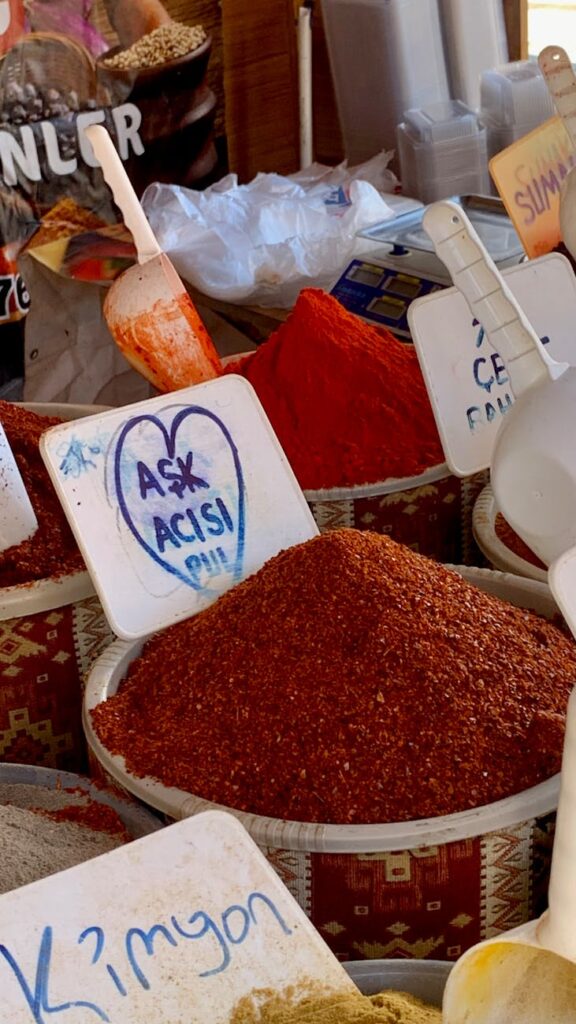
Sumac About Guide Part 6
Introduction
Sumac is an intriguing and versatile spice that has gained popularity in global culinary practices. Known for its tangy flavor profile and vibrant red hue, sumac is more than just a seasoning; it is steeped in history and cultural significance. This guide aims to provide comprehensive insights into sumac, covering its origins, production, uses, and much more.
What Is Sumac?
Sumac refers to the dried and ground berries of the Rhus plant, particularly Rhus coriaria. The spice is characterized by its tart flavor, often described as lemony or sour. In culinary contexts, sumac is typically used to add acidity to dishes without the need for citrus fruits. Its unique flavor profile makes it a staple in Middle Eastern, Mediterranean, and North African cuisines.
History and Origins
The history of sumac dates back thousands of years. It is believed to have been used by ancient civilizations such as the Egyptians and Romans. The term “sumac” derives from the Arabic word “summaq,” which means “red,” referring to the vibrant color of the berries.
In the Mediterranean region, sumac has been a common condiment since antiquity, often sprinkled on foods to enhance flavors. It was particularly favored by nomadic tribes, who utilized it to season their meats in the absence of refrigeration. As trade routes expanded, sumac began to find its way into various culinary traditions, becoming a vital ingredient in regional dishes.
Today, sumac is embraced worldwide, transcending its geographical origins and becoming an essential component in diverse culinary practices.
Production and Processing
Sumac production begins with the harvesting of the berries from the Rhus plant, which typically thrives in dry, sunny regions of the Mediterranean and parts of the Middle East. The berries are harvested when they reach full ripeness, often in late summer or early fall.
Once collected, the berries undergo a meticulous drying process. They are spread out in the sun or dehydrated to reduce moisture content, a crucial step to ensure shelf stability and flavor retention. After drying, the berries are ground into a fine powder, which is the form most commonly used in culinary applications.
Quality control is essential during this process to ensure the absence of contaminants and to maintain the spice’s vibrant color and flavor.
Quality and Grading
The quality of sumac can vary significantly based on several factors, including the species of the plant, the region of cultivation, and the production methods employed. High-quality sumac is characterized by a deep burgundy color and a robust, tangy flavor.
When grading sumac, several criteria are considered:
- Color: Premium sumac is a rich, dark red, which indicates the presence of anthocyanins, the compounds responsible for its color and flavor.
- Flavor Profile: A strong, tangy taste is essential for high-quality sumac.
- Texture: The powder should be finely ground, as coarser particles may indicate lower quality or improper processing.
- Purity: Authentic sumac should not be mixed with fillers or other spices, which can dilute its flavor and quality.
- Source: Look for sumac sourced from reputable regions known for high-quality production, such as Turkey, Syria, or Lebanon.
- Packaging: Sumac should be packaged in airtight containers to prevent moisture absorption and maintain freshness. Glass jars or vacuum-sealed bags are often ideal.
- Organic Certification: Opting for organic sumac can be beneficial, as it is likely free from pesticides and synthetic fertilizers.
- Freshness: Check the packaging for a harvest date or best-before date. Fresh sumac will have a more pronounced flavor and aroma.
- Labels: Ensure that the label specifies that it is 100% sumac without any additives or fillers.
- Salads: Sumac is often sprinkled over salads, particularly fattoush, to provide a refreshing acidity.
- Marinades: It is commonly used in marinades, especially for meats, enhancing flavor and tenderizing proteins.
- Dips and Spreads: Sumac can be blended into yogurt-based dips or hummus, adding a unique depth of flavor.
- Garnishes: It serves as an attractive garnish on meats and vegetables, contributing both flavor and color.
- Soups and Stews: A dash of sumac can elevate the flavor of soups and stews, providing a subtle tang.
Purchasing sumac from reputable suppliers who provide information about sourcing and processing can help ensure that you receive a premium product.
Buying Considerations
When buying sumac, consumers should consider several factors to ensure they are selecting the best quality spice:
Being informed about these considerations can enhance the quality of culinary applications and ensure that the spice retains its natural properties.
Uses and Applications
Sumac is a versatile spice that finds a range of applications in cooking. Its primary use is as a seasoning, where it adds a zesty flavor to various dishes. Some common applications include:
In addition to its culinary uses, sumac is also appreciated for its aesthetic appeal; its rich color makes it a visually captivating addition to dishes.
Storage and Shelf Life
Proper storage is crucial for maintaining the quality and flavor of sumac. It should be kept in a cool, dark place, away from direct sunlight and moisture. Airtight containers are recommended to prevent exposure to air, which can lead to loss of flavor.
When stored correctly, sumac can last for up to two years. However, it is best consumed within six months to a year for optimal flavor. Regularly checking for signs of moisture or clumping can help determine its freshness.
Common Misconceptions
Despite its popularity, several misconceptions about sumac persist:
1. Sumac is Poisonous: While certain species of *