
Sumac About Guide Part 7
Introduction
Sumac, a vibrant and tangy spice, has garnered attention in culinary circles for its unique flavor profile and versatility. This spice, derived from the berries of the Rhus genus, particularly Rhus coriaria, is not only a staple in Middle Eastern and Mediterranean cuisines but has also found its way into modern gastronomy worldwide. This guide delves into the multifaceted nature of sumac, exploring its history, production, culinary uses, and more, providing a comprehensive understanding of this cherished ingredient.
What Is Sumac?
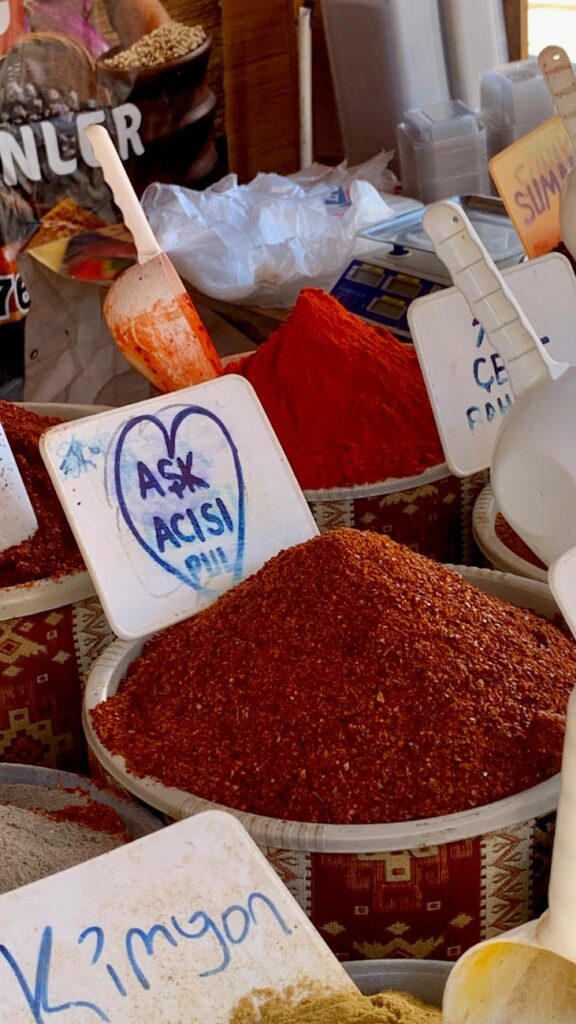
Sumac is a spice made from the dried and ground berries of the sumac plant. The flavor is tart and lemony, with a slightly fruity undertone. Its deep red to burgundy color makes it visually appealing, adding not only flavor but also aesthetic appeal to dishes. Traditionally, sumac has been used as a souring agent, a role often filled by lemon juice or vinegar in various cuisines.
History and Origins
The history of sumac dates back thousands of years, with its origins primarily rooted in the Mediterranean and Middle Eastern regions. Archaeological evidence suggests that sumac has been used since ancient times, where it was not only employed in culinary practices but also held significance in traditional medicine.
Historically, sumac was a crucial ingredient for various civilizations, including the Romans and Greeks. The Romans valued it for its flavor and often used it to enhance their sauces and meat dishes. In the Middle East, sumac has long been celebrated, commonly sprinkled over dishes such as kebabs, salads, and rice. Its prominence in regional cuisines underscores its importance as both a flavoring agent and a cultural symbol.
Today, sumac’s use has transcended its traditional boundaries, gaining popularity among chefs and home cooks alike, who appreciate its unique ability to elevate dishes with a touch of acidity.
Production and Processing
The production of sumac involves several meticulous steps. The berries of the sumac plant are harvested when ripe, typically in late summer. Once harvested, the berries are dried in the sun or through mechanical means to preserve their flavor and color.
After drying, the berries are crushed into a coarse powder. The quality of the sumac largely depends on the processing methods employed and the care taken during harvesting. Good quality sumac should exhibit a vibrant color and a strong, fresh aroma, indicating that the berries were properly dried and processed.
In regions where sumac is a common ingredient, such as Turkey and Lebanon, artisanal methods of production are often employed, enhancing the flavor and quality of the final product. The meticulous nature of this process contributes to the distinct taste that high-quality sumac offers.
Quality and Grading
Not all sumac is created equal. When assessing the quality of sumac, several factors come into play, including color, aroma, and texture. High-quality sumac should have a deep red hue, indicating that the berries were harvested at the right time and processed correctly.
Aroma is another critical quality indicator; fresh sumac has a bright, tangy scent reminiscent of lemons. Ground sumac should be finely textured, free from any clumps or impurities.
Grading systems for sumac can vary, but generally, the highest grades are those that are organic, harvested from specific regions known for their superior agricultural practices. When purchasing sumac, consumers are encouraged to seek reputable brands or suppliers that prioritize quality and authenticity.
Buying Considerations
When buying sumac, there are several considerations to keep in mind to ensure you are selecting a high-quality product.
1. Source: Look for sumac that originates from regions known for producing high-quality berries, such as Turkey or the Middle East.
2. Appearance: Opt for sumac with a vibrant color. Dull or faded sumac may indicate that it has lost its potency.
3. Packaging: Check for packaging that protects the spice from light and moisture, as these elements can degrade its quality over time.
4. Organic Certification: If possible, choose organic sumac to avoid pesticides and chemicals that may affect flavor and health.
5. Freshness: Purchase sumac in small quantities to ensure freshness, as the flavor can diminish over time.
By paying attention to these factors, consumers can enjoy the full flavor potential that sumac has to offer.
Uses and Applications
Sumac’s culinary applications are vast, ranging from seasoning meats to enhancing salads. Its unique tartness pairs well with a variety of ingredients, making it a versatile addition to many dishes.
1. Seasoning: Sumac is frequently used as a seasoning for grilled meats, such as kebabs and chicken, providing a zesty contrast to the richness of the protein.
2. Salads: It is often sprinkled on fresh salads, such as fattoush, to add a burst of flavor and a vibrant color.
3. Marinades: Sumac can be incorporated into marinades, enhancing the flavor of fish, poultry, or vegetables.
4. Dressings: The tangy nature of sumac makes it an excellent addition to dressings, providing a tangy depth to vinaigrettes.
5. Garnishing: Its striking color and flavor make it an ideal garnish for various dishes, including hummus, dips, and rice pilafs.
Sumac’s tartness can also serve as a substitute for lemon juice or vinegar in certain recipes, offering a unique twist while maintaining the intended acidity.
Storage and Shelf Life
To maintain the quality and flavor of sumac, proper storage is essential. Store sumac in a cool, dark place, ideally in an airtight container to minimize exposure to air, moisture, and light.
When stored correctly, ground sumac can retain its flavor for about 1 to 2 years. However, it’s advisable to check for