
Sumac Cultivation Explained
Introduction
Sumac is a versatile and aromatic spice derived from the dried and ground berries of the Rhus genus, particularly Rhus coriaria. Its tangy flavor profile and vibrant crimson hue have made it a popular ingredient in Mediterranean, Middle Eastern, and North African cuisines. Beyond its culinary applications, sumac is also appreciated for its aesthetic presence in gardens and its adaptability to various growing conditions. This article aims to explore the cultivation of sumac, covering its history, production processes, quality assessment, and more.
What Is Growing?
In the context of sumac, “growing” refers to the agricultural practices involved in cultivating the sumac plant, from planting the seeds or cuttings to harvesting the berries. This process encompasses various elements such as soil preparation, irrigation, pest management, and harvesting techniques, all of which contribute to the successful production of high-quality sumac.
History and Origins
Sumac has a rich history that traces back thousands of years, primarily in the Mediterranean region and the Middle East. The use of sumac as a seasoning dates back to the ancient Egyptians and has been found in the culinary traditions of various civilizations, including the Romans and Greeks. The word “sumac” is derived from the Arabic word “summaq,” which means “red,” a reference to the plant’s vibrant berries.
Historically, sumac has not only been valued for its culinary properties but also for its medicinal uses. Its high antioxidant content has been recognized in folk medicine, contributing to its longstanding popularity. Today, sumac continues to be an integral part of regional cuisines and is increasingly gaining recognition in global culinary practices.
Production and Processing
Cultivation Methods
Sumac is typically grown in arid and semi-arid climates, making it well-suited for regions with hot summers and mild winters. The plant thrives in well-draining soil with a pH ranging from 5.5 to 7.5. Here are the key steps involved in sumac cultivation:
1. Propagation: Sumac can be propagated through seeds or vegetative cuttings. While seeds can be sown directly into the soil, cuttings from healthy plants often yield quicker results.
2. Soil Preparation: Before planting, the soil should be tilled to remove weeds and improve aeration. Organic matter such as compost can be added to enhance soil fertility.
3. Planting: Seeds are typically planted in spring, while cuttings can be rooted in late spring or early summer. Spacing between plants should be maintained to ensure adequate air circulation and sunlight exposure.
4. Watering and Irrigation: Sumac is drought-tolerant but benefits from regular watering during dry spells, particularly in the early stages of growth. Drip irrigation systems are commonly used to provide consistent moisture while minimizing water waste.
5. Pest and Disease Management: Sumac is relatively resistant to pests and diseases. However, monitoring for common issues such as aphids or fungal infections is essential. Organic treatments, like neem oil, can be effective in controlling infestations.
Harvesting
Harvesting typically occurs in late summer or early fall when the berries have ripened, displaying a deep red color. The berries are harvested by hand, often using clippers to cut clusters from the branches. Following collection, the berries are cleaned to remove any debris before the drying process begins.
Drying and Processing
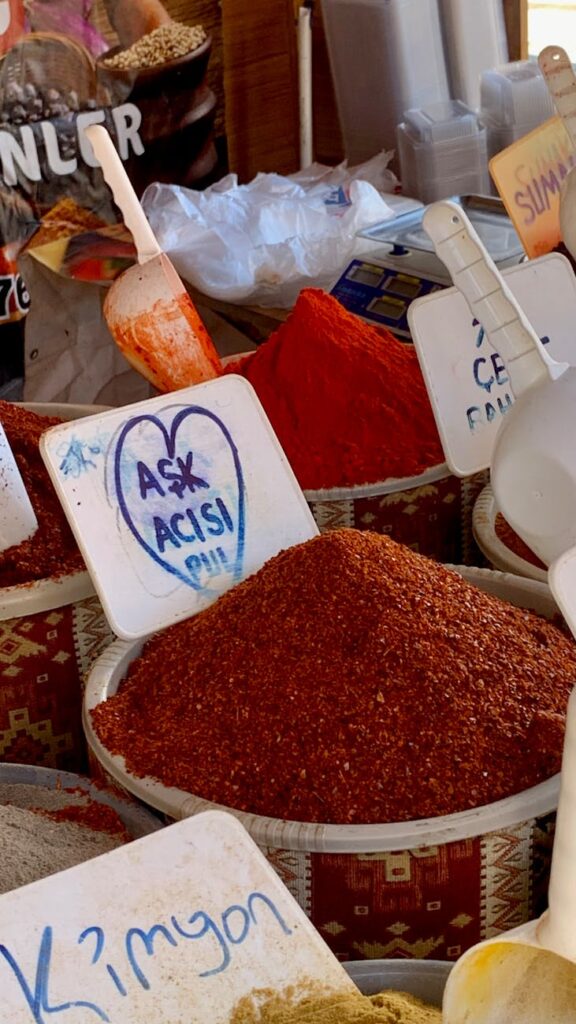
Once harvested, the sumac berries are traditionally dried under the sun until they become brittle. This process can take several days, depending on climatic conditions. After drying, the berries are ground into a fine powder, which can then be packaged and distributed.
Quality and Grading
The quality of sumac is primarily determined by its color, flavor, and aroma. High-quality sumac should exhibit a deep red hue, indicative of ripe berries, and possess a tangy, lemony flavor. Grading systems may vary by region, but the following criteria are commonly used:
1. Color: A vibrant red color is a hallmark of high-quality sumac, reflecting the freshness of the berries.
2. Aroma: An intense, fruity aroma suggests freshness and quality.
3. Taste: The flavor should be tangy and mildly astringent, which can vary based on the specific variety of sumac.
4. Texture: The powder should be fine and free of clumps or impurities.
Producers often conduct sensory evaluations to ensure that their sumac meets these quality standards before it reaches consumers.
Buying Considerations
When purchasing sumac, several factors should be considered to ensure optimal quality:
1. Source: Look for reputable suppliers or brands that specialize in high-quality spices. Local markets may also offer fresh, regional varieties.
2. Form: Sumac is available in whole berries or ground form. Ground sumac is more convenient for immediate use, but whole berries can offer a fresher flavor when ground at home.
3. Packaging: Choose sumac that is packaged in airtight containers to preserve its freshness and flavor. Avoid products in clear plastic packaging that expose the spice to light.
4. Organic Certification: If possible, opt for organic sumac to ensure that it has been grown without synthetic pesticides or fertilizers.
5. Harvest Date: Some suppliers provide information on the harvest date. Fresher sumac will have a more potent flavor.
Uses and Applications
Sumac is a multi-faceted ingredient used in various culinary applications, extending beyond mere seasoning. Its tangy flavor profile can enhance a wide array of dishes:
1. Seasoning: Sumac is commonly sprinkled over meats, salads, and vegetables to impart a tart flavor, particularly in dishes like fattoush and kebabs.
2. Condiments: Sumac can be combined with other spices to create flavorful blends such