
Sumac FAQs Answered
Introduction
Sumac is a vibrant and tangy spice that has captivated the culinary world with its unique flavor profile and versatile applications. Often associated with Middle Eastern cuisine, sumac is gaining popularity in various culinary traditions worldwide. This article aims to provide an in-depth exploration of sumac, from its historical roots to its modern-day uses. We will answer frequently asked questions about this intriguing ingredient to enhance your understanding and appreciation.
What Is Sumac?
Sumac is the dried and ground fruit of the Rhus genus, primarily Rhus coriaria, a flowering plant found in the Mediterranean region, the Middle East, and parts of North America. The spice is characterized by a deep crimson or burgundy hue and possesses a tart, lemony flavor that adds brightness to dishes. It is often used as a seasoning, garnishing agent, or even as a food preservative due to its antioxidant properties.
History and Origins
The use of sumac dates back to ancient times, where it was valued not only for its flavor but also for its medicinal properties. Evidence suggests that sumac was used by various cultures, including the Romans and Greeks, as a souring agent long before the widespread use of citrus fruits. In Middle Eastern cuisine, sumac has traditionally been a staple ingredient, used in dishes like za’atar, a blend that combines sumac with other herbs and spices.
In addition to its culinary applications, sumac has historical significance in traditional medicine. Indigenous peoples of North America have utilized it for centuries, recognizing its potential health benefits. Today, sumac continues to be an essential ingredient in many regional dishes, symbolizing a rich cultural heritage.
Production and Processing
Sumac is harvested from the clusters of berries produced by the sumac plant. The berries are collected when they are ripe and then dried to preserve their flavor and color. Once dried, the berries are crushed and ground into a fine powder, which is the form most commonly used in cooking.
The quality of sumac can vary depending on several factors, including the geographical region in which it is grown, the harvesting methods, and the processing techniques employed. High-quality sumac should have a vibrant color, a strong aroma, and a balanced tartness.
Quality and Grading
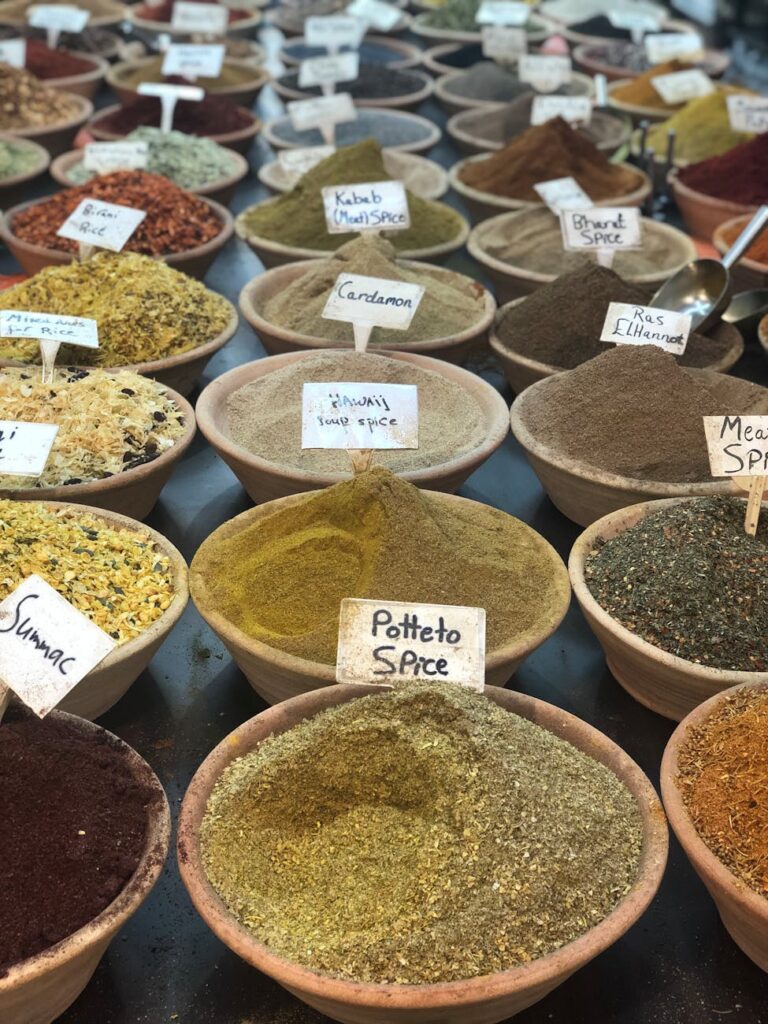
Sumac is typically graded based on its color, flavor intensity, and overall freshness. The highest quality sumac is a deep red or purple hue and has a robust tart flavor. Inferior grades may appear dull, brown, or lack the distinctive aromatic qualities.
When evaluating sumac, consider the following factors:
- Color: Look for a vibrant, rich color.
- Aroma: Fresh sumac should have a strong, tangy scent.
- Texture: The powder should be fine and free of clumps.
- Seasoning: Sumac is often sprinkled on salads, vegetables, and grilled meats for a burst of flavor.
- Marinades: It can be incorporated into marinades to enhance the taste of proteins like chicken, lamb, and fish.
- Garnishing: Use sumac to add visual appeal and flavor to dishes, including hummus, tzatziki, and yogurt-based sauces.
- Herb Blends: Sumac is a key ingredient in za’atar, a popular Middle Eastern spice blend that pairs well with bread and olive oil.
Buying from reputable suppliers can help ensure that you receive a high-quality product. Organic options are also available for those looking for sustainably sourced ingredients.
Buying Considerations
When purchasing sumac, several considerations can enhance your culinary experience:
1. Source: Buy from trusted suppliers or specialty stores that focus on high-quality spices. Local markets and Middle Eastern grocery stores are often excellent resources.
2. Form: Sumac is available in both whole dried berries and ground powder. Whole berries may require additional processing (grinding) but can offer fresher flavors if stored properly.
3. Packaging: Ensure that the packaging is airtight and opaque to protect the spice from light and moisture, which can diminish its quality.
4. Freshness: Check the packaging date and opt for the freshest product available.
Uses and Applications
Sumac is a versatile spice with a wide range of culinary applications. Here are some common uses:
In addition to these uses, sumac can also serve as a substitute for lemon juice or vinegar in recipes, making it an excellent choice for those seeking a unique twist on traditional flavors.
Storage and Shelf Life
Proper storage is crucial to maintaining the quality of sumac. Store it in an airtight container in a cool, dark place, away from heat and moisture. When stored correctly, ground sumac can last for up to a year, while whole berries may retain their flavor for even longer.
To ensure freshness, consider purchasing smaller quantities more frequently rather than bulk buying, as spices tend to lose their potency over time.
Common Misconceptions
Sumac is often misunderstood, leading to misconceptions that can affect its culinary use. Here are a few common myths:
1. Sumac is Poisonous: While some species within the Rhus family can be toxic, the sumac used in cooking (Rhus coriaria) is safe for consumption.
2. Sumac is a Substitute for Citrus Only: While sumac has a tart, citrus-like flavor, its unique taste offers a distinct profile that cannot be entirely replicated by lemon or lime.
3. All Sumac is the Same: The quality and flavor of sumac can vary significantly based on its source, processing methods, and freshness.
Understanding these misconceptions can enhance your culinary experience and encourage the exploration of this versatile spice.
Frequently Asked Questions
1. What does sumac taste like?
Sumac has a tangy, citrus-like flavor that is often described as bright and refreshing. Its tartness can enhance the natural flavors of various dishes without overwhelming them, making it a valuable addition to many recipes.
2. Is sumac gluten-free?
Yes, sumac is naturally gluten-free. It can be safely used in gluten-free cooking and is an excellent seasoning option for those with gluten sensitivities.
3. Can I substitute sumac for lemon juice?
While sumac provides a similar tartness to lemon juice, it has a distinct flavor profile that offers a unique twist to dishes. When substituting, start with a smaller amount of sumac and adjust to taste, as it may not provide the same acidity as lemon juice.
4. Where can I buy sumac?
Sumac can be found in Middle Eastern grocery stores, specialty spice shops, and health food stores. It is also available online through various retailers. Look for high-quality products with vibrant color and aromatic qualities.
5. How do I know if my sumac is fresh?
Fresh sumac should have a vibrant color, strong aroma, and a balanced tart flavor. If the spice appears dull, lacks scent, or has clumped together, it may be past its prime. Proper storage in an airtight container can help maintain its freshness.
6. Can sumac be used in baking?
While sumac is not commonly used in baking, its unique flavor can complement certain savory baked goods. It can be added to bread dough or sprinkled on baked dishes like savory scones for an unexpected flavor twist.
Conclusion
Sumac is more than a mere spice; it is a cultural emblem that has stood the test of time. Its unique flavor, versatility, and historical significance make it a valuable ingredient in the culinary world. By understanding its origins, uses, and storage methods, you can fully appreciate the depth that sumac brings to your kitchen. The FAQs addressed in this article aim to demystify this remarkable ingredient, encouraging you to experiment and innovate with sumac in your culinary endeavors.