
Sumac Grading Explained
Introduction
Sumac, a vibrant spice with a tangy flavor profile, has found its way into various cuisines around the world. Its unique characteristics and culinary versatility have made it a staple in Middle Eastern, Mediterranean, and even contemporary Western cooking. However, as with any ingredient, understanding how to select and grade sumac is crucial for achieving the best culinary results. This article delves into the intricacies of sumac grading, providing a comprehensive guide for buyers, chefs, and culinary enthusiasts alike.
What Is Buying?
In the context of food ingredients, “buying” refers to the process of acquiring products for culinary use, whether for personal kitchens, restaurants, or food production. This encompasses understanding the quality, sourcing, pricing, and overall value of the ingredient. For sumac, buyers must consider factors such as variety, origin, grading, and processing methods to ensure they select a product that meets their culinary needs and standards.
History and Origins
Sumac has a rich history that dates back thousands of years. The term “sumac” is derived from the Arabic word “summāq,” which means “red.” Historically, it has been used not only as a spice but also for its medicinal properties and as a dye. The sumac plant, belonging to the Anacardiaceae family, is native to the Mediterranean region and parts of North America.
In ancient times, sumac was a popular condiment, prized for its ability to enhance flavors and add acidity to dishes. Its use was documented in historical texts, including those of the Greeks and Romans. Today, sumac is still celebrated for its culinary applications, particularly in Middle Eastern cuisine, where it is often used to brighten up dishes like kebabs and salads.
Production and Processing
The production of sumac begins with the harvesting of the berries from the sumac plant, typically belonging to the species Rhus coriaria. The berries are harvested in late summer when they are ripe and have developed their distinctive red hue. After harvesting, the berries undergo a process of drying and grinding into a coarse or fine powder, depending on the desired end product.
Quality control is essential during this process. The berries must be properly dried to prevent mold growth and preserve flavor. Additionally, the grinding process should be conducted in a way that minimizes heat exposure, which can degrade the spice’s aromatic compounds.
Sumac can come in various forms, including whole dried berries, coarse powder, and fine powder. Each form has its unique applications in culinary practices, and understanding these differences can assist buyers in making informed decisions.
Quality and Grading
The grading of sumac is primarily based on several factors: color, aroma, texture, and flavor profile. Recognizing these attributes is essential for buyers who wish to procure high-quality sumac.
Color
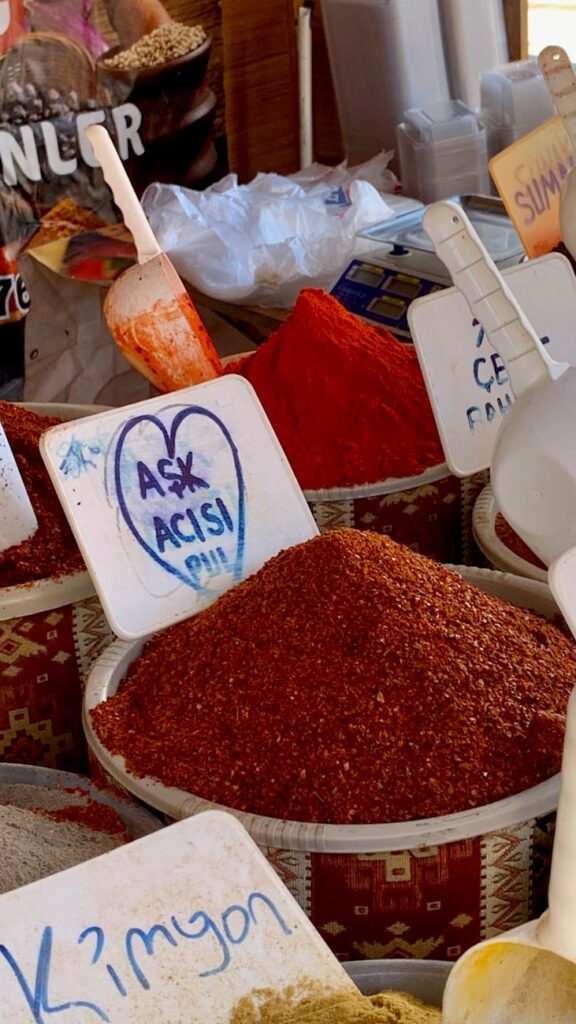
High-quality sumac should exhibit a deep, vibrant red or burgundy hue. This color indicates the presence of anthocyanins, the pigments responsible for sumac’s characteristic appearance and flavor. Lighter or duller colors may suggest lower quality or improper processing.
Aroma
The aroma of sumac is another significant quality indicator. A fragrant, tart scent reflects the freshness and potency of the spice. Buyers should be wary of sumac that has a musty or stale smell, as this can indicate age or poor storage practices.
Texture
Sumac can vary in texture from coarse to fine. High-quality sumac typically has a consistent grind without large pieces of berry remaining. This uniformity ensures that the spice can be evenly distributed in culinary applications.
Flavor Profile
The flavor of sumac is tangy and citrus-like, with a slight astringency. Quality sumac should deliver a bright, fresh taste that enhances dishes rather than overpowering them. Buyers should taste the product when possible to assess its flavor quality before purchasing.
Buying Considerations
When purchasing sumac, several considerations can guide buyers toward selecting the best product:
1. Source and Origin: Understanding where the sumac is sourced can provide insight into its quality. Sumac from reputable regions, such as Turkey and the Mediterranean, is often preferred due to established growing practices.
2. Form: Depending on the intended use, buyers should consider whether they require whole berries or powdered sumac. The whole berries may be more suitable for specific applications like infusions, while powdered sumac is ideal for seasoning dishes.
3. Packaging: Quality packaging can help preserve the freshness and flavor of sumac. Look for products in airtight containers that shield the spice from light and moisture.
4. Certification and Standards: Products that meet specific culinary or quality standards can offer buyers additional assurance of quality. Certifications may include organic, non-GMO, or fair trade.
5. Price: While price can be an indicator of quality, it is essential to balance cost with the other factors mentioned. Higher-priced sumac is not always better, but extremely low prices may suggest compromised quality.
6. Supplier Reputation: Purchasing from reputable suppliers or specialty spice shops can enhance the likelihood of obtaining high-quality sumac. Researching customer reviews and recommendations can provide valuable insights.
Uses and Applications
Sumac’s versatility in the kitchen makes it a valuable ingredient across various culinary traditions. It is often used as a seasoning for meats, fish, and vegetables, adding a refreshing acidity that can elevate flavors.
In Middle Eastern cuisine, sumac is commonly sprinkled over dishes like fattoush salad, grilled meats, and rice. Its tangy notes complement other spices, creating complex flavor profiles. Additionally, sumac can be blended into marinades, dressings, and dips, such as hummus, enhancing the overall taste experience.
In contemporary culinary practices, chefs are increasingly experimenting with sumac in fusion dishes, incorporating it into snacks, sauces, and even desserts, showcasing its adaptability beyond traditional uses.
Storage and Shelf Life
Proper storage is crucial