
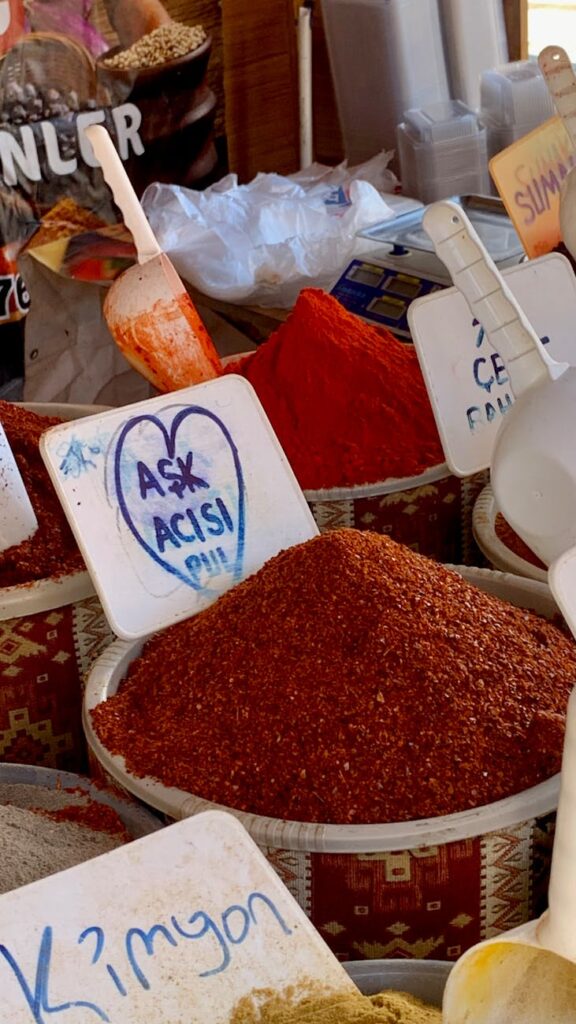
Sumac Growing Guide Part 7
Introduction
Sumac, a versatile spice with a unique tart flavor, has gained popularity across various cuisines, particularly in Middle Eastern, Mediterranean, and North African dishes. While its culinary applications are widely recognized, understanding the growing process of this remarkable ingredient is essential for anyone interested in horticulture or culinary arts. This guide delves into the nuances of growing sumac, highlighting its origins, production, processing, quality considerations, and more.
What Is Growing?
Growing, in the context of agriculture and horticulture, refers to the process of cultivating plants for food, ornamental, or other purposes. It encompasses various practices, including planting, nurturing, harvesting, and processing. When discussing sumac, growing refers to the cultivation of the Rhus genus, particularly Rhus coriaria, which is the most commonly used variety for culinary applications. Understanding the growing process of sumac provides insight into its flavor profile, quality, and optimal usage in the kitchen.
History and Origins
Sumac has a rich history that dates back thousands of years. Its origins trace back to the Mediterranean region, where it has been utilized as a seasoning and a medicinal plant. Historical texts indicate that sumac was used by ancient civilizations, including the Romans and Greeks, who appreciated its tangy flavor and vibrant color.
The word “sumac” is derived from the Arabic term “summaq,” which signifies “red.” This reflects the plant’s vibrant red berries, which are harvested and dried to produce the tangy spice. Over the centuries, sumac has spread across various cultures and cuisines, becoming a staple in dishes like kebabs, salads, and rice. Its adaptability to different climates has led to its cultivation in diverse regions, further solidifying its status as a globally appreciated ingredient.
Production and Processing
Growing sumac requires specific conditions for optimal yield. The plant thrives in well-drained, sandy, or loamy soils and prefers a sunny location. Sumac can tolerate various soil types, including poor soils, making it a resilient choice for cultivation. The plant is drought-resistant, which means it can thrive with minimal irrigation once established.
Cultivation Steps
1. Soil Preparation: Prior to planting, prepare the soil by tilling and adding organic matter to enhance fertility. A pH level between 6.0 and 7.0 is ideal.
2. Planting: Sumac can be propagated through seeds or cuttings. If using seeds, soak them for 24 hours before planting to improve germination rates. Plant seeds in spring or fall, spacing them about 3 feet apart.
3. Watering: Young plants require consistent moisture until established. Once established, sumac is drought-tolerant, but occasional watering during dry spells can boost growth.
4. Pruning: Regular pruning helps maintain the plant’s shape and encourages bushier growth. Remove any dead or diseased branches to promote healthy development.
5. Harvesting: Sumac berries are typically harvested in late summer or early fall when they turn a deep red. The berries can be harvested by hand or using a sickle, after which they should be dried in the shade to preserve their flavor and color.
6. Processing: Once dried, the berries can be ground into a coarse powder, which is the sumac spice commonly used in cooking. This powder can be stored in an airtight container to maintain freshness.
Quality and Grading
The quality of sumac is determined by several factors, including color, flavor, and moisture content. High-quality sumac should have a vibrant red hue and a tangy, lemony flavor profile. It is essential to consider the following grading criteria:
Visual Inspection
- Color: Fresh, high-quality sumac should exhibit a bright red color. Dull or brownish hues indicate age or improper storage.
- Berries: Whole berries should be plump and intact, while ground sumac should appear fine and free of debris.
- Taste: High-quality sumac offers a tart, citrus-like flavor. Off-flavors may suggest poor quality or spoilage.
- Aroma: Fresh sumac emits a pleasant, tangy scent. A musty or rancid smell indicates degradation.
- Properly dried sumac should have a moisture content of around 10%. Excess moisture can lead to mold and spoilage.
- Condiment: Sumac is often used as a finishing spice for grilled meats, roasted vegetables, and salads, enhancing flavors with its citrus-like zing.
- Marinades: Due to its acidity, sumac is a popular ingredient in marinades, helping tenderize meat while imparting flavor.
- Spice Blends: Sumac is a key component in spice blends like za’atar, which combines sumac with thyme, sesame seeds, and
Flavor Assessment
Moisture Content
Buying Considerations
When purchasing sumac, whether whole berries or ground powder, several factors should be taken into account:
1. Source: Look for reputable suppliers who specialize in spices. Ethnic grocery stores often offer high-quality sumac.
2. Form: Decide between whole berries and ground sumac based on intended use. Whole berries can be soaked to release flavor, while ground sumac is ready to use.
3. Packaging: Check for airtight packaging to ensure freshness. Avoid bulk bins unless you can ascertain turnover rates.
4. Labeling: Look for organic certification if preferred, and check for any additives in ground sumac.
5. Price: While cost can be an indicator of quality, it’s essential to balance price with the reputation of the supplier.
Uses and Applications
Sumac is celebrated for its culinary versatility, adding a unique tartness to various dishes. Its applications span numerous cuisines: