
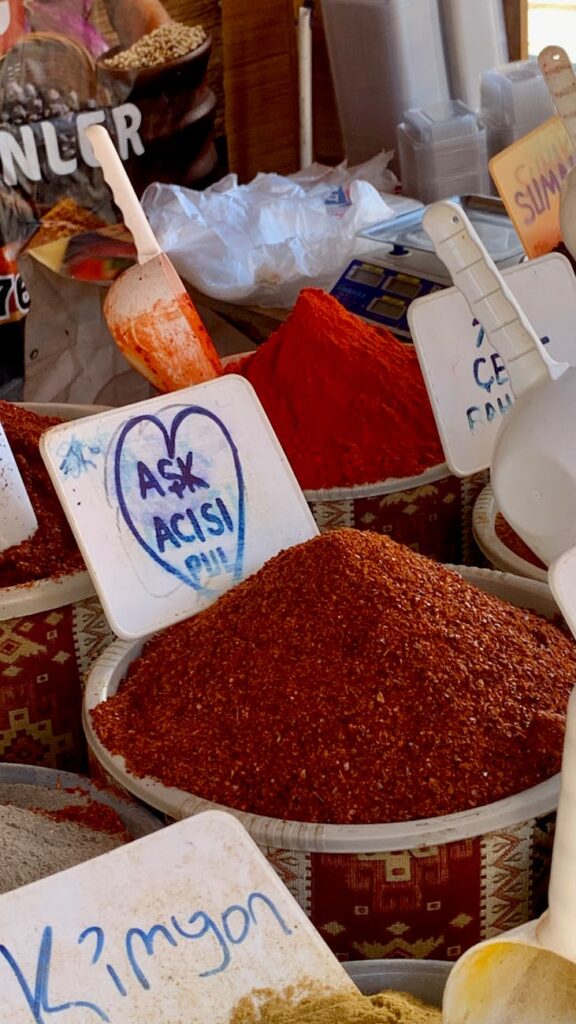
Sumac Guides Guide Part 7
Introduction
Sumac, a vibrant spice with a unique tart flavor, has found its way into kitchens worldwide, celebrated for its culinary versatility and rich history. This guide aims to illuminate various aspects of sumac, providing an authoritative resource on its origins, uses, and best practices for purchasing and storing this exceptional ingredient. Whether you’re a culinary professional or an enthusiastic home cook, understanding sumac can enhance your culinary repertoire.
What Is Sumac?
Sumac refers to the dried and ground berries of the Rhus genus, particularly Rhus coriaria. This spice is known for its striking reddish-purple hue and its distinctive tangy flavor, reminiscent of lemon or vinegar. Used predominantly in Middle Eastern and Mediterranean cuisines, sumac serves as a versatile seasoning that enhances both meat and vegetable dishes. Its acidity can brighten flavors, making it an invaluable component in seasoning blends, dressings, and marinades.
History and Origins
The use of sumac dates back thousands of years, with historical records indicating its utilization in ancient Mesopotamia and the Mediterranean region. Sumac was prized not only for its culinary applications but also for its medicinal properties. Various cultures have revered it; for instance, in Ancient Rome, sumac was often used to season food, while in the Middle East, it has become a staple in traditional dishes.
The spice’s cultivation primarily spans regions such as the Mediterranean, parts of the Middle East, and even the southern United States, where certain species of sumac are indigenous. The historical significance of sumac is reflected in its inclusion in various cultural dishes, such as za’atar, a spice blend that incorporates sumac as a key ingredient.
Production and Processing
The production of sumac begins with the harvesting of its berries, which typically occurs in late summer. Once harvested, the berries are dried in the sun, a process that not only preserves their flavor but also enhances their vibrant color. After drying, the berries are ground into a fine powder.
Quality control is essential during the production process, as the flavor profile of sumac can vary based on factors such as ripeness, drying techniques, and grinding methods. Traditional grinding often employs stone mills, which help retain the essential oils and flavor compounds, resulting in a superior product.
Quality and Grading
When selecting sumac, it is crucial to consider its quality and grading. High-quality sumac will have a deep red color, indicating freshness, while lower-grade varieties may appear dull or brownish. The aroma should be fragrant, with a distinct tartness that is both inviting and sharp.
Many suppliers categorize sumac based on its origin, flavor intensity, and color. For instance, Lebanese and Turkish sumac are often considered some of the finest varieties, known for their vibrant color and robust flavor. When purchasing sumac, consumers should look for products that are labeled as 100% pure sumac, avoiding blends that may contain fillers or preservatives.
Buying Considerations
When purchasing sumac, several factors should be taken into account:
1. Origin: As mentioned, sumac from specific regions such as Lebanon or Turkey is often regarded as superior. Researching the source can provide insights into quality.
2. Form: Sumac is available in both whole berry and ground forms. Whole berries may have a longer shelf life, while ground sumac is more convenient for immediate use.
3. Packaging: Opt for sumac that is packaged in airtight containers to preserve its freshness. Avoid bulk bins unless you can confirm the turnover rate is high.
4. Purchase from Reputable Vendors: Select suppliers known for their quality spices. Specialty spice shops or reputable online retailers typically offer superior products compared to generic grocery stores.
5. Harvest Date: If available, look for information on the harvest date, as fresher sumac will have a more vibrant flavor.
Uses and Applications
Sumac’s culinary applications are diverse. It is commonly used to season grilled meats, salads, and vegetables, imparting a refreshing tartness. In addition to its use in traditional dishes, such as kebabs and fattoush, sumac can also be a delightful addition to dips like hummus and baba ghanoush.
In contemporary cooking, chefs are increasingly utilizing sumac in innovative ways. It can be sprinkled over roasted vegetables, stirred into yogurt for a tangy dip, or used to season fish and poultry. Sumac also serves as a key ingredient in za’atar, a popular spice blend that combines sumac with thyme, sesame seeds, and salt.
Beyond its flavor profile, sumac adds a visual appeal to dishes, with its rich color enhancing the presentation of meals. This versatility makes it an excellent choice for both traditional and modern culinary applications.
Storage and Shelf Life
To maintain the quality of sumac, proper storage is essential. Store it in a cool, dark place away from direct sunlight, as exposure to light and heat can degrade its flavor and aroma. An airtight container is recommended to prevent moisture absorption and maintain freshness.
When stored correctly, ground sumac can last for up to two years, while whole berries may retain their potency for a longer period. However, to ensure the best flavor, it is advisable to use sumac within a year of purchase.
Common Misconceptions
Despite its popularity, several misconceptions surround sumac:
1. Not Poisonous: Some may confuse sumac with toxic varieties of the plant. The sumac used in cooking comes from specific species that are safe for consumption.
2. Not Just for Middle Eastern Cuisine: While sumac is a staple in Middle Eastern cooking, it can be used in a variety of culinary contexts, including fusion and modern gastronomy.
3. Not a Substitute for Lemon: Although sumac has a tart flavor, it cannot fully replace lemon juice or zest in recipes. Its unique profile