
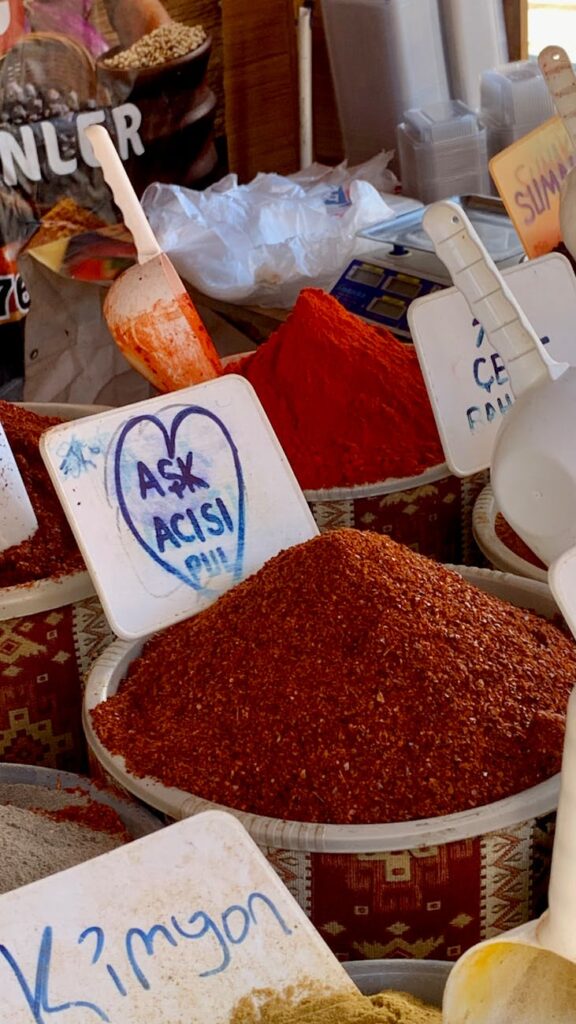
Sumac in Traditional Cuisine
Introduction
Sumac, a vibrant and tangy spice, has been a cornerstone of culinary traditions across the Middle East, Mediterranean, and parts of North Africa for centuries. Its unique flavor profile, characterized by a tartness reminiscent of lemon, makes it a versatile ingredient that enhances a wide array of dishes. As global culinary practices evolve, sumac continues to gain prominence in kitchens around the world, celebrated for its distinctive taste and cultural significance. This article delves into the multifaceted uses of sumac in traditional cuisine, exploring its history, production, and applications.
What Is Uses?
The term “uses” in culinary contexts refers to the various ways an ingredient can be employed in cooking and food preparation. For sumac, its uses are vast and varied, ranging from seasoning and garnish to a crucial component in traditional spice blends. Understanding the diverse applications of sumac can enhance the appreciation of this ingredient, allowing chefs and home cooks alike to incorporate it thoughtfully into their culinary repertoire.
History and Origins
The history of sumac dates back thousands of years, with evidence of its use found in ancient Mediterranean and Middle Eastern cultures. The spice is derived from the dried berries of the Rhus genus, particularly Rhus coriaria, which are harvested, dried, and ground into a coarse powder.
In ancient times, sumac was celebrated not only for its flavor but also for its preservative qualities. It was often used to season meat and fish in regions where refrigeration was not available. The spice has also been an important part of traditional Middle Eastern dishes such as za’atar, a blend that incorporates sumac, thyme, sesame seeds, and salt.
As trade routes expanded, sumac made its way to various parts of the world, influencing culinary practices and becoming a staple in diverse cuisines. Its popularity has endured through the ages, often associated with the rustic flavors of traditional dishes.
Production and Processing
Sumac is primarily cultivated in regions with a Mediterranean climate, including parts of Turkey, Syria, and Lebanon. The production process begins with the careful harvesting of sumac berries, which are typically collected in late summer. After harvesting, the berries are dried in the sun or through mechanical means to lock in their flavor and vibrant color.
Once dried, the berries are ground into a coarse powder. The texture can vary from fine to coarse, depending on the desired culinary application. Quality sumac will exhibit a deep red to burgundy hue and possess an aromatic, tangy scent that signals freshness.
Quality and Grading
The quality of sumac can significantly impact its flavor and culinary applications. High-quality sumac should be bright in color, free from impurities, and possess a robust tangy aroma. Grading is often determined by factors such as the origin of the berries, the method of processing, and the overall flavor profile.
When purchasing sumac, it is advisable to seek out reputable sources or specialty spice shops that offer high-quality products. Freshness is key; thus, buying in small quantities can help ensure optimal flavor for culinary applications.
Buying Considerations
When selecting sumac, several factors should be considered:
1. Origin: Look for sumac sourced from regions known for high-quality production, such as Turkey or Syria.
2. Form: Sumac is available in both whole berries and ground form. For most culinary uses, ground sumac is more convenient, but whole berries can be used for specific applications like infusions.
3. Packaging: Choose sumac that is packaged in airtight containers to preserve freshness. Avoid products that appear faded or have a dull color, as this may indicate staleness.
4. Organic Options: If sustainability is a concern, consider purchasing organic sumac, which is cultivated without synthetic pesticides or fertilizers.
Uses and Applications
Sumac’s culinary versatility is one of its most appealing attributes. Here are some traditional uses and applications that showcase its unique flavor:
Seasoning
Sumac is commonly used as a seasoning for meats and vegetables. Its tangy flavor can elevate grilled meats, making it a popular choice for kebabs and shawarma. In addition to savory dishes, sumac can also add depth to roasted vegetables, enhancing their natural sweetness.
Salad Garnish
In many Middle Eastern salads, sumac serves as a key ingredient for seasoning and garnishing. Its bright acidity complements fresh ingredients like tomatoes, cucumbers, and onions, making it a staple in salads such as fattoush and tabbouleh.
Spice Blends
Sumac is an essential component of various spice blends, most notably za’atar. This aromatic blend is used extensively in Middle Eastern cuisine to season breads, dips, and grilled meats. The combination of sumac with herbs like thyme and oregano creates a complex flavor profile that enhances a wide array of dishes.
Pickling
The tangy flavor of sumac makes it an excellent addition to pickling brines. It can impart a unique tartness to pickled vegetables, enhancing their flavor while providing a vivid color.
Sauces and Dressings
Sumac can be incorporated into sauces and dressings to add a layer of acidity. It pairs well with olive oil, yogurt, and vinegar, making it an ideal ingredient for dressings that accompany salads or grilled meats.
Infusions
Sumac can also be used to infuse liquids, adding a zesty flavor to beverages or broths. It is often steeped in water or vinegar to create tangy infusions that can enhance dishes or serve as a refreshing drink.
Storage and Shelf Life
To maintain its vibrant flavor and aroma, sumac should be stored in a cool, dark place, preferably in an airtight container. When stored correctly, ground sumac can retain its quality for up to two years, although its flavor may diminish over time. Whole berries, when kept in a cool and dry environment, may