
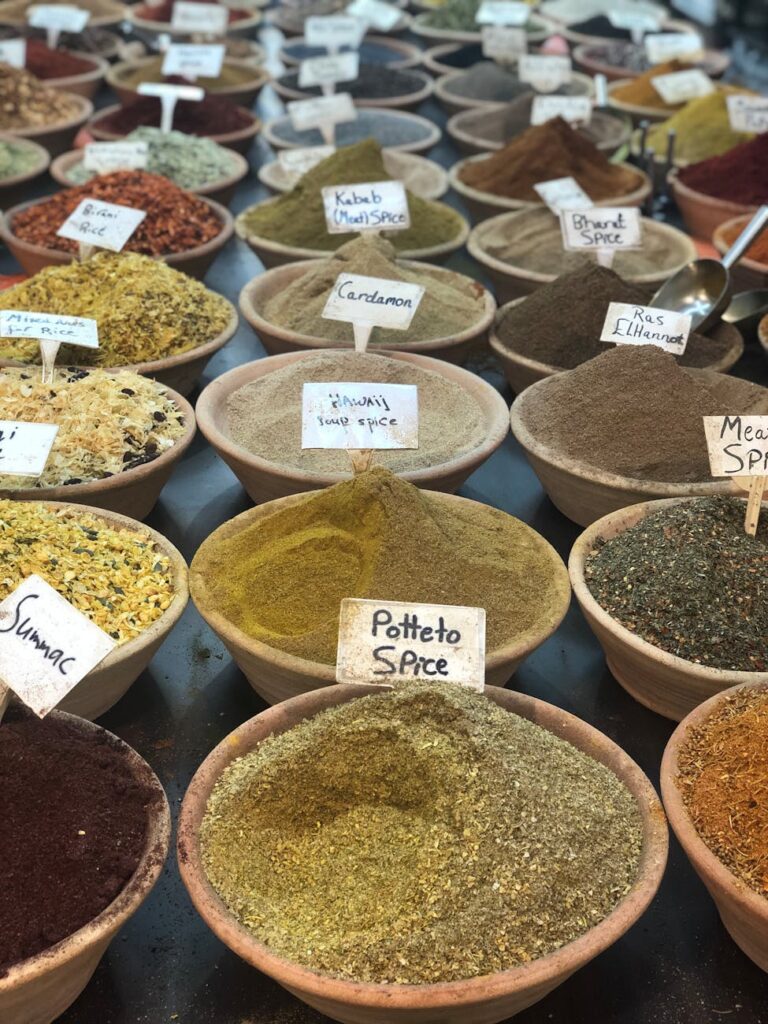
Sumac Production by Country
Introduction
Sumac is a spice that has garnered significant attention in culinary circles due to its unique tart flavor and vibrant red hue. Derived from the berries of the Rhus genus, particularly Rhus coriaria, this ingredient is more than just a flavorful addition; it embodies cultural significance and diverse culinary applications across various regions. This article delves into the production of sumac by country, exploring its historical roots, processing methods, quality standards, and much more.
What Is Sumac?
Sumac refers to the dried and ground berries of specific species of the Rhus plant. While its tart, lemony flavor enhances a wide range of dishes, sumac is also used in traditional medicine and has cultural importance in various cuisines, especially in Middle Eastern and Mediterranean regions. The spice is available in both whole berry and ground forms, with the latter being the most popular for culinary use.
History and Origins
The history of sumac dates back to ancient civilizations. It has been used for thousands of years in cooking, preservation, and even dyeing fabrics. The plant is native to the Mediterranean region, parts of the Middle East, and North America. Historical texts indicate that sumac was a staple seasoning in the diets of ancient Egyptians and Romans, who valued its flavor and preservative qualities.
The spice’s journey across regions has intertwined with the cultural practices of various peoples. In the Middle East, it is often found in spice blends like za’atar, while in Mediterranean countries, it is used to season meats and salads. Today, sumac is celebrated for its versatility and is increasingly recognized in global culinary practices.
Production and Processing
Leading Producers
Sumac production is primarily concentrated in specific countries, each contributing unique qualities to the spice:
1. Turkey: As one of the largest producers, Turkey is known for its high-quality sumac, especially from regions like Gaziantep and Antakya. The Turkish variety is often characterized by its deep red color and strong flavor.
2. Syria: Historically a significant producer, Syria’s sumac is integral to its culinary identity. The berries are harvested from wild plants, and the traditional processing methods enhance their flavor profile.
3. Iran: Iranian sumac is highly regarded for its tangy taste and is often used in dishes that require a more pronounced acidity. The country has cultivated sumac since ancient times.
4. Lebanon: Known for its rich food culture, Lebanon produces sumac that is often used in local dishes like fattoush and grilled meats. The Lebanese variety is prized for its aromatic qualities.
Harvesting and Processing
The cultivation and processing of sumac involve several stages:
- Harvesting: Sumac berries are typically harvested in late summer or early fall. Skilled laborers hand-pick the berries from the wild plants, ensuring only ripe fruit is collected.
- Drying: After harvesting, the berries are cleaned and dried under the sun or in controlled environments. This step is crucial as it concentrates the flavor and preserves the spice’s color.
- Grinding: Once dried, the berries are ground into a fine powder. The grinding process can vary in fineness depending on intended use, with some producers offering coarser textures for specific culinary applications.
- Packaging: Sumac is packaged in airtight containers to maintain freshness and is often sold in bulk or pre-packaged for retail.
- Color: High-quality sumac exhibits a rich, deep red color, which indicates freshness and proper drying methods.
- Aroma: A strong, tangy aroma is a hallmark of good sumac. Inferior quality may have a dull scent, suggesting age or improper storage.
- Flavor: The taste is the most crucial element. Quality sumac should deliver a tart, lemony flavor without bitterness.
- Form: Sumac is available in whole berry and ground forms. For convenience, ground sumac is preferred, but whole berries can offer a fresher flavor if ground at home.
- Origin: Different regions produce sumac with distinct flavor profiles. Understanding the origin can help consumers select the type that best suits their culinary needs.
- Packaging: Opt for sumac that is packaged in opaque, airtight containers to preserve its flavor and prevent exposure to light and moisture.
- Freshness: Check for expiration dates or packaging dates. Fresher sumac will have a more vibrant flavor.
- Reputable Sources: Purchase from reputable spice merchants or specialty stores that prioritize quality and authenticity.
- Seasoning: Its tart flavor is ideal for seasoning meats, fish, and roasted vegetables. It can also be used in marinades and dressings.
- Garnish: Sumac can serve as a colorful garnish for dishes, enhancing both visual appeal and flavor.
- Dips and Spreads: It is commonly used in dips like baba ghanoush and hummus, where it adds a zesty note.
- Salads: Sprinkling sumac over salads, particularly fattoush, elevates the overall taste profile.
- Baking: In some cultures, sumac is incorporated into baked goods, adding a unique depth of flavor.
- Temperature: Store sumac in a cool, dry place away from direct sunlight. High temperatures can diminish its flavor.
- Containers: Use airtight containers to prevent moisture absorption and the loss of aroma.
- Shelf Life: When stored correctly, ground sumac can last for up to two years, while whole berries can remain viable for slightly longer. However, for optimal flavor, it is advisable to use sumac within six months of purchase.
Quality and Grading
Quality in sumac production can vary significantly based on the region, harvesting methods, and processing techniques. When assessing the quality of sumac, several factors should be considered:
Grading systems may differ across countries, but generally, sumac is classified into categories based on these attributes. Consumers should look for reputable brands and suppliers to ensure they are purchasing high-quality sumac.
Buying Considerations
When buying sumac, several factors should be taken into account:
Uses and Applications
Sumac’s versatility makes it a valuable ingredient in various culinary applications:
Sumac’s applications extend beyond traditional boundaries, making it a sought-after ingredient in modern gastronomy as chefs experiment with its flavors in innovative dishes.
Storage and Shelf Life
Proper storage is crucial for maintaining the quality of sumac:
Common Misconceptions
Several misconceptions surround sumac that may affect its culinary perception:
1. All Sumac Is Toxic: While some species of Rhus can be toxic, Rhus coriaria used for culinary purposes is safe for consumption.
2. Sumac Is Just a Substitute for Lemon: While sumac has a tart flavor reminiscent of lemon, it possesses a unique taste profile that cannot be entirely replicated. It is best used in conjunction with lemon rather than as a replacement.
3. Sumac Is a Spice Only for Middle Eastern Cuisine: Though deeply rooted in Middle Eastern cooking, sumac’s versatility allows it to enhance dishes from various culinary traditions.
4. Sumac Is a Recent Trend: Sumac has been used for thousands of years, yet its resurgence in modern cuisine has led to a renewed interest in its applications.
Frequently Asked Questions
1. What does sumac taste like?
Sumac has a tart, lemony flavor with a hint of earthiness. It adds a refreshing acidity to dishes without the bitterness sometimes associated with citrus.
2. How do I use sumac in cooking?
Sumac can be sprinkled over salads, used to season meats, or incorporated into marinades and dressings. It is also excellent as a garnish for various dishes.
3. Can I substitute sumac for lemon juice?
While sumac can provide a similar tartness, it is best used alongside lemon juice for a more complex flavor profile rather than as a direct substitute.
4. Is sumac available year-round?
Yes, sumac is generally available throughout the year in various forms, including whole berries and ground spice.
5. How can I tell if my sumac has gone bad?
If sumac has lost its vibrant color, aroma, or flavor, it may have degraded. Check for any signs of moisture or clumping, which can indicate spoilage.
6. Is sumac gluten-free?
Yes, sumac is naturally gluten-free, making it a safe seasoning option for those with gluten sensitivities or celiac disease.
Conclusion
Sumac is a spice rich in history and cultural significance, with production primarily centered in countries like Turkey, Syria, Iran, and Lebanon. Understanding its origins, processing methods, and quality indicators allows consumers to appreciate this unique ingredient fully. As sumac continues to gain popularity in diverse culinary applications, its distinctive flavor profile will undoubtedly leave an indelible mark on kitchens worldwide. Whether used in traditional dishes or innovative modern cuisine, sumac stands as a testament to the rich tapestry of global culinary practices.