
Sun-Dried Tomatoes in Traditional Cuisine
Introduction
Sun-dried tomatoes are a culinary delight revered for their intense flavor and versatility across a multitude of traditional cuisines. This ingredient, which is the product of drying ripe tomatoes in sunlight, boasts a rich history and a diverse range of applications in cooking. With their concentrated sweetness and umami characteristics, sun-dried tomatoes have transcended their humble origins to become a staple in kitchens worldwide.
What Is Uses?
The term “uses” in the context of food ingredients refers to the various applications, methods, and culinary contexts in which an ingredient can be utilized. For sun-dried tomatoes, their uses extend beyond mere flavoring; they serve as a pivotal element in many dishes, contributing to the aesthetic, nutritional, and sensory profiles of food. Understanding the various ways sun-dried tomatoes can be incorporated into traditional cuisine allows cooks and chefs to elevate their culinary creations.
History and Origins
Sun-dried tomatoes have a storied past that dates back to ancient civilizations. While tomatoes are native to western South America, the method of drying them likely originated in the Mediterranean region, particularly in Italy. This preservation technique became essential during periods when fresh tomatoes were unavailable, particularly in winter months. The process of drying tomatoes in the sun allowed for a longer shelf life, ensuring that this vibrant ingredient could be enjoyed year-round.
The practice of sun-drying tomatoes gained traction in the 19th century, particularly in Italian cooking, where it became a revered method of enhancing the natural sweetness of tomatoes. As trade routes expanded, sun-dried tomatoes began to find their way into various global cuisines, each culture adding its distinctive touch to their preparation and use.
Production and Processing
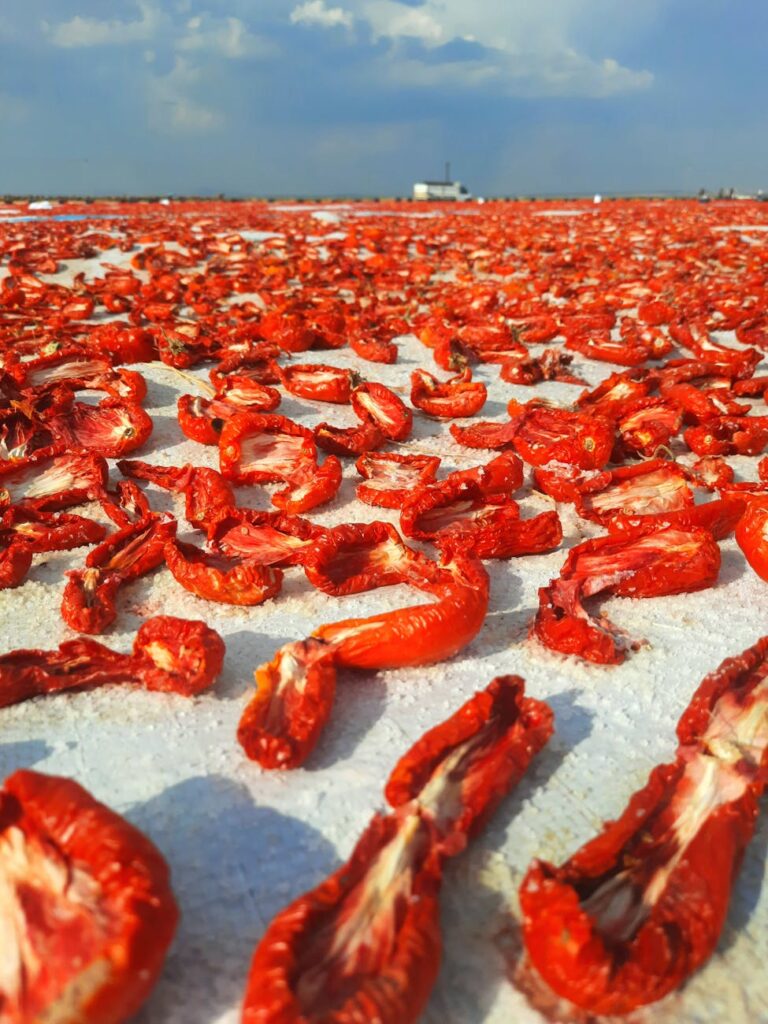
The production of sun-dried tomatoes involves several steps to ensure quality and flavor. Initially, ripe tomatoes are harvested, typically during peak season when they are bursting with flavor. The tomatoes are then washed, sliced, and laid out in the sun for several days, allowing moisture to evaporate while concentrating their natural sugars.
In modern practices, some producers have adopted mechanical drying methods to ensure consistency and speed. However, sun-drying remains popular due to the unique flavor profile it imparts. The key to quality sun-dried tomatoes lies in the variety of tomato used; smaller, fleshy types like Roma tomatoes are preferred for their lower moisture content and robust flavor.
Quality and Grading
The quality of sun-dried tomatoes can vary significantly based on several factors, including the initial quality of the tomatoes, the drying process, and whether additives, such as preservatives or oils, are used. High-quality sun-dried tomatoes should have a rich, deep color, a slightly chewy texture, and an intense flavor without any off-putting bitterness.
When purchasing sun-dried tomatoes, they are often graded according to texture, color, and moisture content. Higher grades are typically more flavorful and have fewer blemishes, making them ideal for culinary applications. Consumers should look for products that are free from preservatives and additives to ensure they are enjoying a pure product.
Buying Considerations
When purchasing sun-dried tomatoes, several factors should be taken into account:
1. Type: Sun-dried tomatoes can be found in various forms, including whole, chopped, or packed in oil. Whole sun-dried tomatoes are versatile and can be rehydrated for different uses, while those packed in oil often have added flavor from herbs and spices.
2. Quality: Look for sun-dried tomatoes that exhibit vibrant color and a firm texture. Avoid products that appear overly dry or shriveled, as these may indicate inferior quality.
3. Packaging: Consider the packaging. Vacuum-sealed bags often preserve freshness better than loose products. If buying jars, inspect for any signs of spoilage.
4. Origin: Italian sun-dried tomatoes are often regarded as the gold standard due to their traditional production methods and quality control. Checking the origin can provide insights into the expected flavor profile.
5. Ingredients: Check the ingredient list for preservatives or additives. Ideally, sun-dried tomatoes should consist of only tomatoes, and perhaps salt.
Uses and Applications
Sun-dried tomatoes are incredibly versatile, finding their place in a myriad of traditional dishes across various cuisines. Here are some significant applications:
Mediterranean Cuisine
In Mediterranean cooking, particularly Italian, sun-dried tomatoes are frequently used in pasta dishes, salads, and sauces. They are often rehydrated and added to risottos, providing a rich, tangy flavor that complements the creamy rice. In salads, they add a chewy texture and vibrant color, enhancing the overall appeal of the dish.
Middle Eastern Dishes
In Middle Eastern cuisine, sun-dried tomatoes contribute to the complex flavor profiles of various dishes. They can be incorporated into stews and tagines, where their concentrated flavor enhances the rich sauces. Additionally, they are often used in dips and spreads, pairing well with tahini and yogurt.
American Cuisine
In American cooking, sun-dried tomatoes have gained popularity in gourmet sandwiches, pizza, and appetizers. They are often blended into creamy spreads or incorporated into savory scones and muffins. Their robust flavor and chewy texture add depth to various dishes, making them a favorite among chefs and home cooks alike.
Fusion Dishes
The versatility of sun-dried tomatoes allows them to cross cultural boundaries, leading to their incorporation into fusion cuisine. They can enhance the flavor of Asian-inspired stir-fries, grilled meats, and even tacos, showcasing their adaptability in modern culinary practices.
Storage and Shelf Life
Proper storage is crucial to maintaining the quality of sun-dried tomatoes. When stored in a cool, dry place, unrefrigerated sun-dried tomatoes can last for several months. However, once opened, those packed in oil should be refrigerated and consumed within a few weeks to prevent spoilage.
For longer storage, sun-dried tomatoes can be rehydrated