
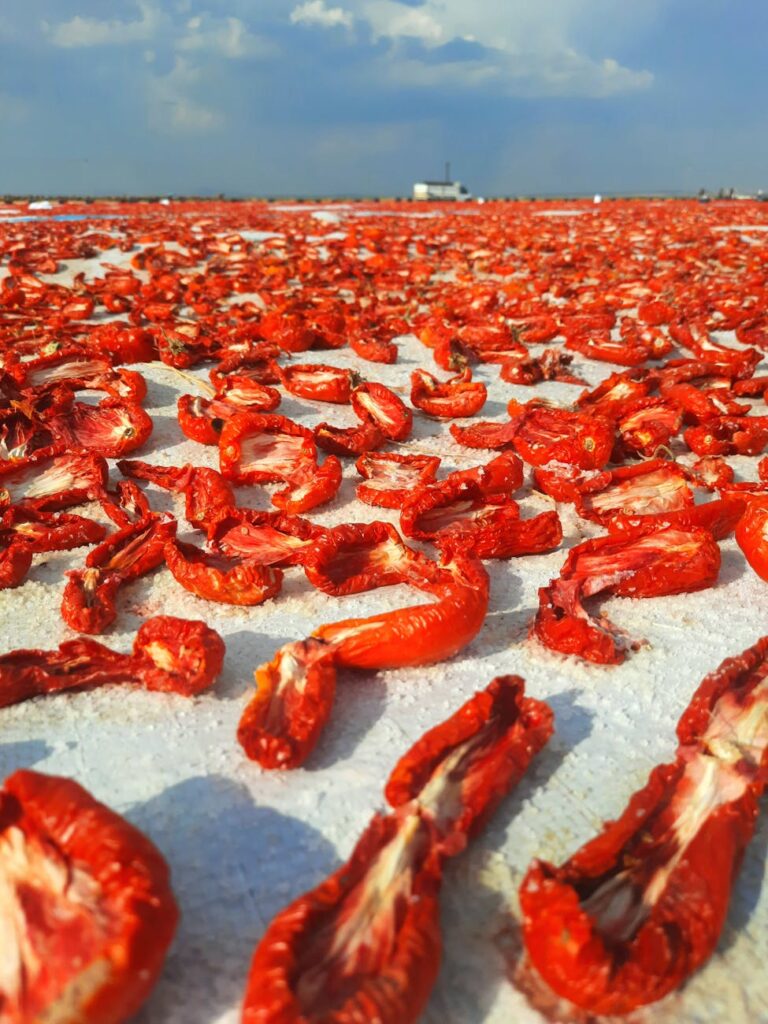
Sun-Dried Tomatoes: Origins and Evolution
Introduction
Sun-dried tomatoes are a culinary treasure, revered for their intense flavor and versatility in a myriad of dishes. These concentrated morsels of the tomato family have transcended their humble beginnings, evolving from a preservation method in ancient cultures to a staple ingredient in modern kitchens worldwide. This article delves into the origins, production methodologies, quality assessments, and culinary applications of sun-dried tomatoes, offering a comprehensive understanding of this beloved ingredient.
What Is About?
Sun-dried tomatoes are simply tomatoes that have been dried in the sun or through other drying methods until they lose most of their moisture content. This drying process not only extends their shelf life but also intensifies their natural sweetness and umami flavor, making them a favorite in Mediterranean cuisine and beyond. The tomatoes used for drying are typically smaller varieties, such as Roma or San Marzano, which possess a lower water content compared to their larger counterparts.
History and Origins
The tradition of drying tomatoes can be traced back to ancient civilizations, particularly in regions where tomatoes were first cultivated. The earliest records of tomato cultivation date back to the Aztecs and Incas in South America around the 16th century. Following the Spanish conquest, tomatoes made their way to Europe, where they quickly garnered popularity.
In Southern Italy, particularly in the regions of Campania and Calabria, sun-drying tomatoes became a practical method to preserve the bountiful summer harvest. The Mediterranean climate, characterized by long, hot summers, provides the ideal conditions for drying fruits and vegetables. The process of sun-drying tomatoes was not only a way to conserve food but also a means to enhance the flavor, leading to the beloved ingredient we recognize today.
By the late 19th and early 20th centuries, sun-dried tomatoes gained traction in the culinary practices of various European countries. As globalization spread culinary traditions across continents, sun-dried tomatoes found their way into international cuisines, becoming a popular choice in salads, pastas, and antipasti platters.
Production and Processing
The production of sun-dried tomatoes involves several key steps, beginning with the selection of high-quality tomatoes. Typically, smaller varieties such as Roma or San Marzano are preferred due to their firmer flesh and lower moisture content. The process is straightforward but requires attention to detail to ensure optimal flavor and texture.
1. Selection: Fresh, ripe tomatoes are harvested, usually during the peak season.
2. Preparation: The tomatoes are washed and then cut in half or left whole, depending on desired drying time and end use.
3. Drying: Traditionally, tomatoes are sun-dried on flat surfaces, often covered with nets to protect them from insects and debris. The drying process can take several days, depending on weather conditions. Alternatively, modern methods involve using dehydrators or ovens, which can significantly reduce the drying time while maintaining flavor integrity.
4. Rehydration (optional): Some producers opt to rehydrate sun-dried tomatoes in olive oil or other flavorful liquids, adding an extra layer of taste.
5. Packaging: Once dried, sun-dried tomatoes are packaged to preserve their flavor and prevent moisture absorption, ensuring a longer shelf life.
Quality and Grading
The quality of sun-dried tomatoes can vary significantly based on factors such as tomato variety, drying method, and storage conditions. When assessing sun-dried tomatoes, several criteria are considered:
- Color: A vibrant red or deep burgundy color indicates good quality. Dull or brownish tomatoes may suggest over-drying or spoilage.
- Texture: Properly dried tomatoes should be pliable and slightly chewy, not brittle. Over-dried tomatoes can lose their flavor and texture.
- Aroma: Freshly dried tomatoes should have a rich, concentrated aroma. Any off-putting smells may indicate spoilage.
- Flavor: The flavor should be sweet and umami-rich, with no signs of bitterness.
- Pasta Dishes: Incorporating sun-dried tomatoes into sauces, salads, or directly into pasta can elevate the dish, adding depth and complexity.
- Salads: Chopped sun-dried tomatoes can provide a tangy contrast to fresh greens and other vegetables.
- Pesto: Blending sun-dried tomatoes into pesto creates a unique twist on the classic recipe, perfect for pasta or as a spread.
- Sandwiches and Wraps: They can be used as a flavor-packed addition to sandwiches, wraps, or paninis.
- Pizza Toppings: Sun-dried tomatoes add a rich flavor and unique texture to pizzas, complementing cheeses
Grading systems may vary by region, but generally, producers will label their products as “premium,” “standard,” or “substandard,” based on these quality indicators.
Buying Considerations
When purchasing sun-dried tomatoes, several factors should be taken into account to ensure you are selecting a high-quality product:
1. Packaging: Look for vacuum-sealed or airtight packaging to maintain freshness. Avoid products that are exposed to moisture or air.
2. Ingredients: Check the ingredient list. Ideally, sun-dried tomatoes should contain only tomatoes and possibly salt or oil. Avoid products with preservatives or artificial additives.
3. Origin: Consider the source of the tomatoes. Sun-dried tomatoes from regions known for their high-quality agricultural practices, such as Italy, often have superior flavor profiles.
4. Type: Decide whether you prefer dry-packed or oil-packed sun-dried tomatoes. Oil-packed versions may offer enhanced flavor but can contain added preservatives.
5. Quantity: Given their concentrated flavor, a small amount of sun-dried tomatoes can go a long way. Purchase according to your intended use to avoid waste.
Uses and Applications
Sun-dried tomatoes are a versatile ingredient that can be used in various dishes, enhancing flavor profiles and providing a burst of color. Their applications include: