
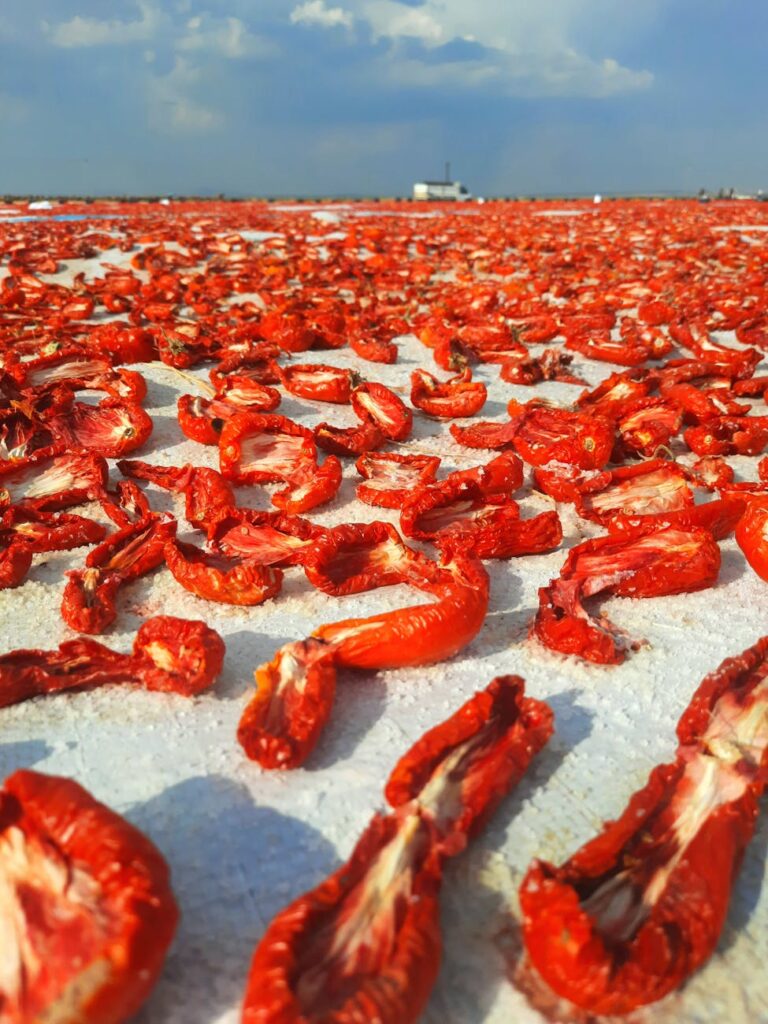
Sun-dried Tomatoes Production by Country
Introduction
Sun-dried tomatoes have become a staple ingredient in kitchens around the world, celebrated for their concentrated flavor and versatility. This unique ingredient originates from the practice of preserving tomatoes through the sun-drying process, transforming them into flavorful gems that enhance a variety of dishes. This article explores the regions involved in the production of sun-dried tomatoes, delving into the history, processing techniques, quality standards, and applications of this beloved ingredient.
What Is Regions?
In the context of sun-dried tomatoes, “regions” refers to geographical areas recognized for their specific production practices, climatic conditions, and tomato varieties. Different countries and regions have developed unique approaches to sun-drying tomatoes, resulting in variations in flavor, texture, and culinary applications. These regional differences contribute to the diverse market of sun-dried tomatoes available today.
History and Origins
The tradition of drying tomatoes dates back to ancient civilizations, particularly in Mediterranean cultures. The sun-drying method was born out of necessity, as it allowed people to preserve the harvest for future use. The technique has been documented in Italian, Greek, and Middle Eastern cuisines, where sun-dried tomatoes have been cherished for centuries.
In Italy, sun-dried tomatoes became particularly prevalent in regions such as Campania and Sicily, where the warm climate and abundant sunshine create ideal conditions for drying. As global trade expanded, the popularity of sun-dried tomatoes spread beyond the Mediterranean, leading to its integration into various culinary traditions worldwide.
Production and Processing
Italy: The Gold Standard
Italy is synonymous with sun-dried tomatoes, particularly the Southern regions, where the climate is perfectly suited for this production method. The process begins with the selection of high-quality tomatoes, typically Roma or San Marzano varieties, known for their low moisture content and robust flavor. After harvesting, tomatoes are sliced in half and laid out under the sun, often covered with nets to protect them from pests. This method can take several days, with the tomatoes being turned occasionally to ensure even drying.
United States: Emerging Producer
In the United States, California has emerged as a notable producer of sun-dried tomatoes. The state’s climate, characterized by hot, arid summers, is ideal for sun-drying. California producers often employ a combination of sun-drying and mechanical drying methods to achieve consistent quality. The tomatoes are usually treated with sulfur dioxide to preserve their color and flavor during the drying process.
Turkey: A Traditional Approach
Turkey is another significant producer, particularly in the regions of Mardin and Gaziantep. Turkish sun-dried tomatoes are known for their robust flavor and are traditionally dried in the sun on rooftops or open fields. The drying process can take up to two weeks, resulting in a chewy texture and rich taste.
Spain: Unique Varietals
Spanish sun-dried tomatoes, often referred to as “tomate seco,” typically utilize local varieties such as the “Pera” or “Rosa” tomato. These tomatoes are sun-dried in the hot Spanish sun, resulting in a unique flavor profile that is slightly sweeter than their Italian counterparts. The production process in Spain often includes a salting step, enhancing the tomatoes’ natural umami.
Other Regions
Countries like Greece, Egypt, and parts of South America also engage in sun-drying tomatoes, each contributing unique flavors and textures to the global market. The practices in these regions may vary but generally mirror the traditional methods seen in Italy and Turkey.
Quality and Grading
Quality grading for sun-dried tomatoes is crucial for ensuring that consumers receive a product that meets their expectations. Several factors are considered, including color, texture, moisture content, and flavor.
Color and Appearance
High-quality sun-dried tomatoes should have a vibrant color, ranging from deep red to dark brown, reflecting their ripeness and drying method. They should be plump and not overly shriveled, indicating a proper drying process.
Moisture Content
The moisture content is a critical aspect of grading. Ideally, sun-dried tomatoes should have a moisture content of around 15%, striking a balance between chewiness and preservation.
Flavor Profile
Taste is subjective; however, premium sun-dried tomatoes should exhibit a concentrated, sweet, and slightly tangy flavor, free from any off-putting tastes that may result from improper drying or storage.
Buying Considerations
When purchasing sun-dried tomatoes, several factors should guide consumers to ensure they select high-quality products:
1. Origin: Knowing the country of origin can provide insight into the drying methods and tomato varieties used. Italian sun-dried tomatoes are generally held in high regard due to traditional methods.
2. Packaging: Look for well-sealed packaging that keeps moisture out. Vacuum-sealed options often provide better shelf life.
3. Ingredients: Some sun-dried tomatoes are packed in oil or seasoned. Check the ingredient list for any additives that may not align with your culinary needs.
4. Texture: Feel the tomatoes—high-quality sun-dried tomatoes should be pliable and not too brittle.
5. Color: Choose tomatoes with a rich, consistent color, avoiding those that appear overly dark or have an uneven hue.
Uses and Applications
Sun-dried tomatoes are incredibly versatile in the culinary world. They can be:
- Incorporated into pasta dishes: Adding depth and richness to sauces.
- Used in salads: Providing a burst of flavor in fresh greens or grain salads.
- Blend into pestos: Creating unique variations of traditional pesto sauces.
- Topped on pizzas: Enhancing the flavor profile of various toppings.
- Mixed into dips and spreads: Offering a savory element to hummus or tapenade.
In addition, they can be rehydrated in warm water or added directly to dishes, imparting their concentrated flavor to a wide range of