
Sunchoke Myths and Misconceptions
Introduction
The sunchoke, also known as Jerusalem artichoke, is a tuber that has gained popularity in culinary circles for its unique flavor and versatility. Despite its rising fame, many myths and misconceptions surround this ingredient, leading to confusion about its uses, benefits, and characteristics. This article aims to demystify the sunchoke by examining its history, production, quality, storage, and common misunderstandings.
What Is Sunchoke?
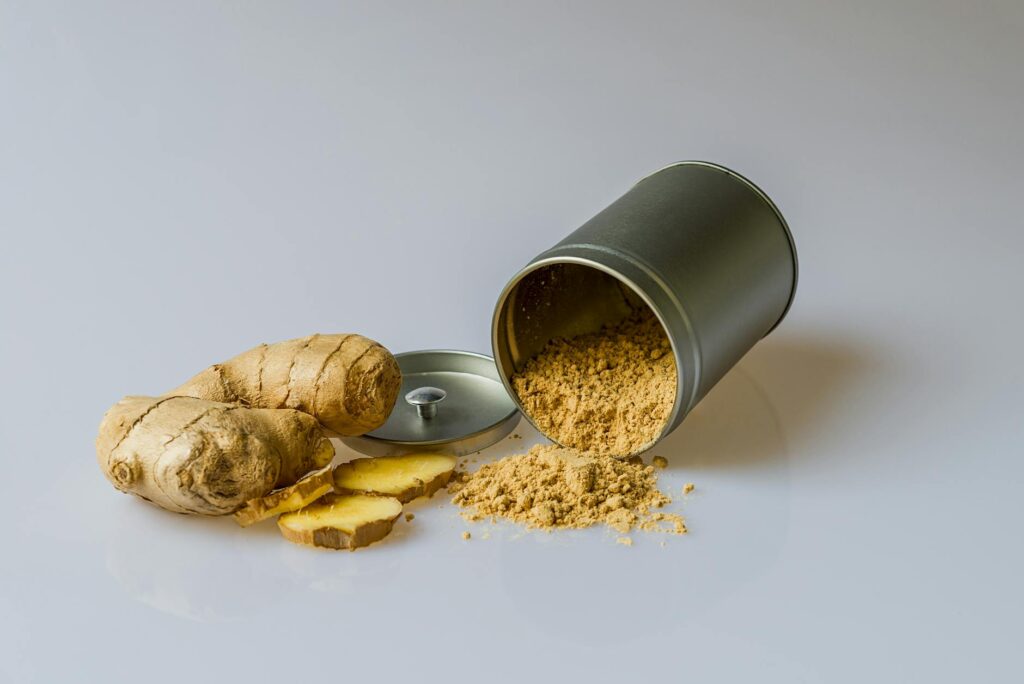
The sunchoke (Helianthus tuberosus) is a perennial plant belonging to the sunflower family. Its edible tubers are knobby and irregularly shaped, resembling ginger root in appearance. The flavor profile is often described as nutty and slightly sweet, with a texture that can be crisp when raw and creamy when cooked. Sunchokes are rich in inulin, a type of prebiotic fiber, making them a unique addition to various dishes.
History and Origins
Sunchokes are native to North America and were initially cultivated by Indigenous peoples long before European contact. They were utilized not only as a food source but also for their medicinal properties. As colonists arrived in America, they discovered the tubers and began to incorporate them into their diets. The name “Jerusalem artichoke” is a misnomer; it is thought to derive from the Italian word “girasole,” meaning sunflower, rather than any relation to the city of Jerusalem. Over the years, sunchokes have experienced fluctuations in popularity, but their unique flavor and nutritional benefits continue to attract attention.
Production and Processing
Sunchokes thrive in a variety of soil types and climates, making them relatively easy to grow. They are typically planted in the spring and harvested in the fall, although they can be left in the ground through winter, where they may develop a sweeter flavor due to frost exposure.
The harvesting process involves digging up the tubers, which can be labor-intensive due to their irregular shapes. After harvesting, sunchokes are usually cleaned to remove soil and debris, and they may be sorted for size and quality before being packaged for distribution. Unlike many other tubers, sunchokes are often sold unprocessed, allowing consumers to experience their fresh, earthy flavor.
Quality and Grading
When selecting sunchokes, quality is paramount. Look for tubers that are firm, smooth, and free from blemishes or soft spots. The grading of sunchokes typically hinges on size, shape, and overall appearance. Larger, more uniformly shaped tubers are often considered of higher quality, although smaller varieties can be equally flavorful.
It’s essential to understand that the quality of sunchokes may vary based on how they were grown and harvested. Organic sunchokes, for instance, are grown without synthetic pesticides or fertilizers, which may appeal to health-conscious consumers.
Buying Considerations
When purchasing sunchokes, consider the following factors:
1. Freshness: Sunchokes are best consumed shortly after harvest. Look for tubers that feel heavy for their size and have a fresh, earthy smell.
2. Source: If possible, buy from local farmers’ markets or organic growers who can provide information about their cultivation practices.
3. Seasonality: Sunchokes are typically in season from late fall to early spring. Purchasing them in season ensures the best flavor and quality.
4. Storage: If you are not using them immediately, store sunchokes in a cool, dark place, ideally in a perforated bag or container to allow for air circulation.
Uses and Applications
Sunchokes can be utilized in a variety of culinary applications. Their nutty flavor makes them an excellent addition to soups, stews, and salads. They can be roasted, sautéed, or puréed, and their crisp texture allows them to be eaten raw in salads or as a garnish.
Sunchokes can also be used to create chips or served as a side dish, providing a healthy alternative to traditional starchy sides. For those interested in creative culinary projects, sunchokes can be pickled or fermented, offering a unique twist to traditional preservation methods.
Storage and Shelf Life
Proper storage is crucial for maintaining the quality of sunchokes. They should be kept in a cool, dark, and well-ventilated area, such as a root cellar or refrigerator, where they can last for several weeks. If stored properly, sunchokes can maintain their freshness for up to a month. However, they may begin to sprout over time; while sprouted sunchokes are still edible, they may not have the same flavor or texture.
Common Misconceptions
Despite their culinary merits, several misconceptions about sunchokes persist:
1. Misconception: Sunchokes are high in calories.
- Fact: Sunchokes are relatively low in calories, making them a healthy addition to a balanced diet.
- Fact: The skin of sunchokes is thin and nutritious. They can be scrubbed clean and cooked with the skin on.
- Fact: While their name suggests a connection, sunchokes have a distinct nutty flavor that differs significantly from that of artichokes.
- Fact: Some people may experience digestive discomfort due to the inulin content, but many can enjoy sunchokes without any issues.
- Fact: As their popularity has grown, sunchokes can now often be found in mainstream
2. Misconception: Sunchokes should be peeled before cooking.
3. Misconception: Sunchokes taste like artichokes.
4. Misconception: Sunchokes are difficult to digest.
5. Misconception: Sunchokes are only available in specialty stores.