
Sunchoke: Origins and Evolution
Introduction
The sunchoke, also known as the Jerusalem artichoke, is a tuber with a rich history and a unique flavor profile that has gained popularity among chefs and food enthusiasts alike. This article delves into the heritage, production, quality considerations, and various applications of sunchokes, providing a comprehensive understanding of this intriguing ingredient.
What Is Sunchoke?
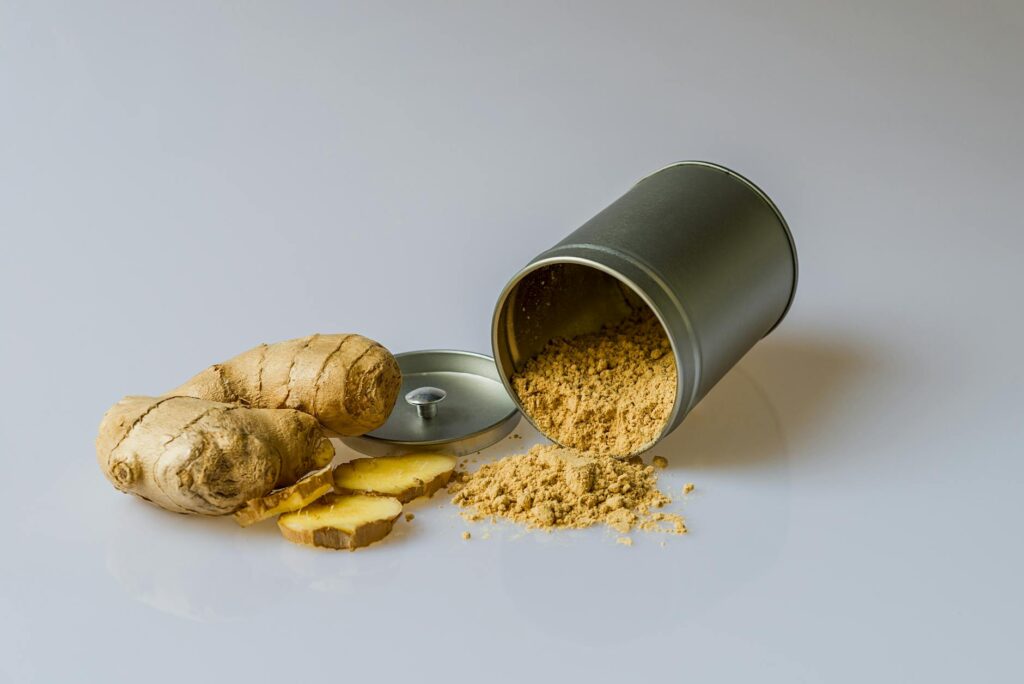
Sunchokes (Helianthus tuberosus) are the edible tubers of the sunflower family, specifically belonging to the genus Helianthus. Unlike traditional artichokes, which are a type of thistle, sunchokes are a root vegetable that resembles ginger in appearance but boasts a nutty, sweet flavor reminiscent of artichokes and potatoes. Their texture can vary from crunchy to tender, depending on the cooking method, making them a versatile ingredient in a range of dishes.
History and Origins
The sunchoke is native to North America, where it was cultivated by Indigenous peoples long before European settlers arrived. The plant thrived in the wild, and its tubers were a vital food source. Early European explorers documented its use, noting its nutritional value and unique flavor.
The name “Jerusalem artichoke” is somewhat misleading; it does not originate from Jerusalem nor is it related to artichokes. The term is believed to come from the Italian word “girasole,” meaning sunflower, which reflects the plant’s sunflower-like appearance.
In the 17th century, sunchokes were introduced to Europe, where they gained traction as a food staple. They flourished particularly in France, where they were embraced for their adaptability and flavor. Over the years, sunchokes have experienced fluctuations in popularity, often overshadowed by more common vegetables. However, in recent decades, they have made a resurgence in culinary circles, appreciated for their unique characteristics and health benefits.
Production and Processing
Sunchokes thrive in a variety of soils and climates, making them relatively easy to cultivate. They are typically planted in the spring and harvested in the fall, although they can be left in the ground through winter, which can enhance their flavor due to the natural frost.
The cultivation process is straightforward. Farmers prepare the soil, plant the tubers, and provide adequate water and sunlight. Sunchokes are hardy plants, resistant to many pests and diseases, which contribute to their appeal as a sustainable crop.
After harvesting, sunchokes undergo minimal processing. They are typically washed to remove soil and debris. In some cases, they may be blanched to enhance color and texture. However, most sunchokes are sold raw to preserve their natural flavor and nutrients.
Quality and Grading
When assessing the quality of sunchokes, several factors come into play. Freshness is paramount; the tubers should be firm and free of blemishes or soft spots. A healthy sunchoke will have smooth skin with a slightly earthy aroma.
Grading systems for sunchokes vary by region, but generally, they are categorized based on size, shape, and appearance. Higher-quality sunchokes are typically more uniform in size and have fewer imperfections. Specialty markets may offer premium varieties, often characterized by their unique shapes or heirloom status.
Buying Considerations
When purchasing sunchokes, there are several key factors to consider:
1. Freshness: Opt for firm tubers with smooth skin. Avoid any that feel soft or have significant blemishes.
2. Source: Where you buy your sunchokes can impact their quality. Local farmers’ markets often provide fresher options than large supermarkets.
3. Seasonality: Sunchokes are generally in season from late fall to early spring. Buying them during this period ensures optimal flavor and texture.
4. Varieties: While the common sunchoke is most widely available, there are numerous cultivars, each offering unique flavors and textures. Exploring different varieties can enhance culinary creativity.
5. Organic vs. Conventional: If possible, consider purchasing organic sunchokes, as they are less likely to be treated with pesticides or other chemicals.
Uses and Applications
Sunchokes are an incredibly versatile ingredient, suitable for a myriad of culinary applications:
1. Raw: Sunchokes can be enjoyed raw in salads or as a crunchy snack. Their nutty flavor pairs well with various dips.
2. Cooked: They can be roasted, sautéed, or boiled. When cooked, sunchokes develop a creamy texture that complements many dishes, from soups to casseroles.
3. Purées: Sunchokes can be puréed to create smooth bases for sauces or soups, adding a subtle sweetness and depth of flavor.
4. Pickling: Their firm texture makes them an excellent candidate for pickling, providing a crunchy addition to charcuterie boards and sandwiches.
5. Garnishing: Thinly sliced or julienned sunchokes can serve as an appealing garnish, adding visual interest and a unique flavor twist to plated dishes.
As the culinary world continues to explore innovative cooking methods and flavor pairings, sunchokes are finding their way into high-end restaurants and food festivals, celebrated for their unique attributes.
Storage and Shelf Life
To maximize the shelf life of sunchokes, proper storage is essential. They should be kept in a cool, dark place, ideally in a perforated plastic bag in the refrigerator. This environment helps maintain their moisture and prevents sprouting.
Under optimal conditions, sunchokes can last for several weeks. However, they are perishable and can deteriorate quickly if exposed to light or warmth. It’s advisable to consume them within a week of purchase for the best flavor and texture.
Common Misconceptions
Despite their growing popularity, several misconceptions about sunchokes persist:
1.