
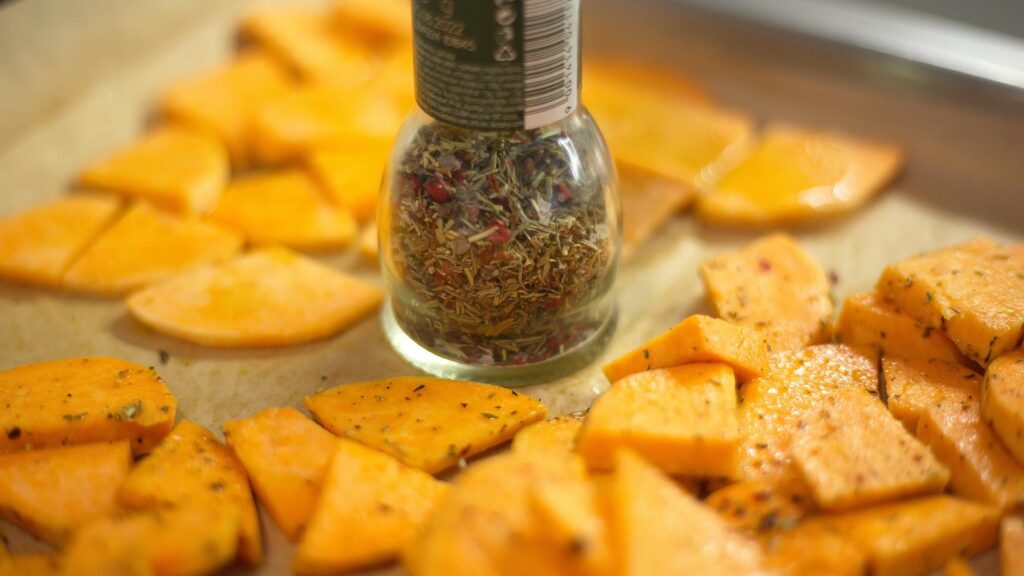
Sweet Potato in Traditional Cuisine
Introduction
Sweet potatoes, often mistaken for yams, are a diverse and nutritionally rich ingredient that has found its place in traditional cuisines around the world. Their vibrant colors, ranging from orange and purple to white and yellow, contribute not only to visual appeal but also to their versatility in various culinary applications. This article delves into the multifaceted uses of sweet potatoes, exploring their historical significance, production processes, quality considerations, and storage practices, while highlighting their essential role in traditional cuisines.
What Is Uses?
In the context of culinary ingredients, “uses” refers to the various ways in which a specific ingredient can be prepared, cooked, and integrated into dishes. This encompasses a broad spectrum of applications, from traditional dishes to modern culinary innovations. Understanding the uses of sweet potatoes allows chefs and home cooks alike to appreciate their versatility and cultural significance, as well as to implement them effectively in a variety of recipes.
History and Origins
Sweet potatoes are believed to have originated in Central and South America over 5,000 years ago. Archaeological evidence suggests that they were cultivated by indigenous peoples long before European colonization. Their introduction to Europe and subsequent spread across the globe was facilitated by explorers and traders, making them a staple in many cultures.
In Asia, particularly in China and Japan, sweet potatoes gained popularity during the 16th century, evolving into essential components of local diets. African cultures also adopted sweet potatoes, with their resilience and adaptability making them a vital food source in various climates. Throughout history, sweet potatoes have been celebrated not only for their nutritional value but also for their cultural significance, often featuring in festivals and traditional rituals.
Production and Processing
Sweet potato production is concentrated in tropical and subtropical regions, with China being the largest producer, followed by countries like India, Nigeria, and the United States. These tubers thrive in well-drained, sandy loam soils and require a warm growing season to reach maturity.
After harvesting, sweet potatoes undergo a curing process to enhance their flavor and extend shelf life. Curing involves storing the tubers in a warm, humid environment for several days, allowing their natural starches to convert to sugars. This process improves taste and texture, making them more appealing for culinary uses.
Processing methods vary based on regional preferences. In some cultures, sweet potatoes are dried to create snacks, while others may mash, puree, or roast them to incorporate into traditional dishes.
Quality and Grading
The quality of sweet potatoes is influenced by various factors, including size, shape, color, and skin texture. Generally, sweet potatoes should be firm to the touch, with smooth skin free from blemishes or soft spots. Grading standards may differ by region, yet common classifications include U.S. No. 1 and U.S. No. 2, with U.S. No. 1 representing the highest quality.
In traditional cuisines, the quality of sweet potatoes is paramount. Chefs often select specific varieties based on their flavor profiles and textural attributes, which can significantly influence the final dish. For instance, varieties such as Beauregard and Jewel are favored in the U.S. for their sweetness, while Okinawan sweet potatoes are prized in Hawaiian cuisine for their unique purple hue and nutty flavor.
Buying Considerations
When purchasing sweet potatoes, several factors should be considered to ensure optimal quality and freshness. Look for tubers that are firm and free from any signs of sprouting or decay. The skin should be intact, with no visible bruises or cuts. Furthermore, choosing organic sweet potatoes can enhance the culinary experience, as they are typically grown without synthetic pesticides or fertilizers.
Local markets often offer the freshest options, allowing consumers to explore regional varieties that may not be available in supermarkets. When selecting sweet potatoes, consider their intended use; for instance, starchy varieties are ideal for mashing, while denser types are better suited for roasting.
Uses and Applications
Sweet potatoes have a remarkable versatility that allows them to shine in a myriad of culinary applications. From savory to sweet, their flavor profile can complement a wide array of ingredients.
Savory Dishes
In many traditional cuisines, sweet potatoes are prepared as savory dishes. In the Southern United States, sweet potato casserole, often adorned with marshmallows or pecans, is a staple during Thanksgiving celebrations. Meanwhile, in African cuisine, sweet potatoes are often boiled or roasted and served alongside stews and meats, providing a hearty accompaniment.
In Asia, sweet potatoes are integral to dishes such as Japanese tempura, where they are battered and fried to a delightful crispness. In Korean cuisine, sweet potato noodles (dangmyeon) are made from starch extracted from sweet potatoes, forming a key ingredient in dishes like Japchae, a stir-fried noodle dish.
Sweet Applications
Sweet potatoes also lend themselves to desserts and baked goods. In many cultures, they are used in pies, cakes, and puddings. The popularity of sweet potato pie in the United States, particularly in African American communities, showcases the ingredient’s sweet potential. In East Asia, sweet potato desserts, such as sweet potato balls or mochi, highlight their natural sweetness and creamy texture.
Beverages
Sweet potatoes have even made their way into beverages. In parts of Africa and the Caribbean, they are used to create traditional drinks that are either fermented or blended with other ingredients, showcasing their adaptability beyond solid foods.
Storage and Shelf Life
Proper storage of sweet potatoes is crucial to maintaining their quality and extending their shelf life. Ideally, they should be stored in a cool, dark, and well-ventilated area, away from direct sunlight and moisture. Under optimal conditions, they can last for several weeks to months.
Refrigeration is generally not recommended, as cold temperatures can alter their texture and taste. However, once cooked, sweet potatoes can be refrigerated for up to five days. For longer storage, cooked sweet potatoes