
Sweet Potato Regions Guide Part 6
Introduction
Sweet potatoes (Ipomoea batatas) are a versatile root vegetable celebrated for their naturally sweet flavor, vibrant color, and nutritional benefits. This guide delves into the various regions where sweet potatoes are grown, exploring their unique characteristics, cultural significance, and production practices. Understanding these regions enhances appreciation for this beloved ingredient and offers insights into its culinary applications around the globe.
What Is Regions?
In the context of agricultural products, “regions” refer to geographical areas that significantly influence the cultivation, quality, and characteristics of a specific ingredient. For sweet potatoes, the region of cultivation affects not only the growth conditions—such as soil type, climate, and elevation—but also the varieties grown and their subsequent marketability. Different regions bring unique flavors and textures to the table, making it essential to recognize the diverse geographical influences on sweet potato production.
History and Origins
Sweet potatoes are believed to have originated in Central or South America, with archaeological evidence suggesting their cultivation dates back over 5,000 years. Indigenous peoples in these regions initially cultivated sweet potatoes, using them as a staple food source. Over the centuries, the crop spread to other parts of the world, particularly through the Spanish and Portuguese explorers in the 16th century.
Today, sweet potatoes are grown globally, with significant production in regions such as Asia, Africa, and the Americas. Each area has contributed to the development of local varieties and cultivation techniques, resulting in a rich history intertwined with cultural practices and culinary traditions.
Production and Processing
Major Sweet Potato Producing Regions
1. China: As the largest producer of sweet potatoes, China accounts for over 60% of the global output. The country’s varied climate and rich soil contribute to a diverse range of sweet potato varieties, including the popular purple-fleshed types.
2. United States: The U.S. is renowned for its sweet potato production, particularly in the southern states like North Carolina, Louisiana, and Mississippi. Varieties such as the Beauregard and Covington are favored for their sweetness and texture.
3. Africa: Countries like Nigeria and Uganda are also significant producers, with sweet potatoes serving as a crucial food source. The introduction of biofortified varieties has improved nutritional benefits, particularly in areas facing food insecurity.
4. Japan: Known for its unique varieties such as Satsuma-imo, Japan’s sweet potatoes are often characterized by their creamy texture and subtle sweetness. They are a staple in Japanese cuisine, enjoyed in both savory and sweet dishes.
Processing Techniques
Once harvested, sweet potatoes undergo various processing methods to enhance their shelf life and usability. Common techniques include:
- Curing: This process involves storing sweet potatoes in a warm, humid environment to heal cuts and wounds, allowing sugars to develop and enhancing flavor.
- Drying: Sweet potatoes can be dried and powdered, serving as a convenient ingredient in various culinary applications.
- Freezing: Blanching and freezing sweet potatoes helps retain their nutritional value while extending shelf life for later use.
- U.S. No. 1: This grade includes sweet potatoes that are well-formed, smooth-skinned, and free from defects. They are typically uniform in size and color, making them ideal for retail.
- U.S. No. 2: These sweet potatoes may have minor imperfections, such as slight blemishes or irregular shapes. They are still acceptable for consumption but may be used more for processing.
- Specialty Grades: Some regions also produce specialty grades based on unique characteristics, such as color or variety. For example, purple or white-fleshed sweet potatoes may be graded separately for niche markets.
- Baking: Sweet potatoes can be baked whole or mashed and used in pies, breads, and muffins.
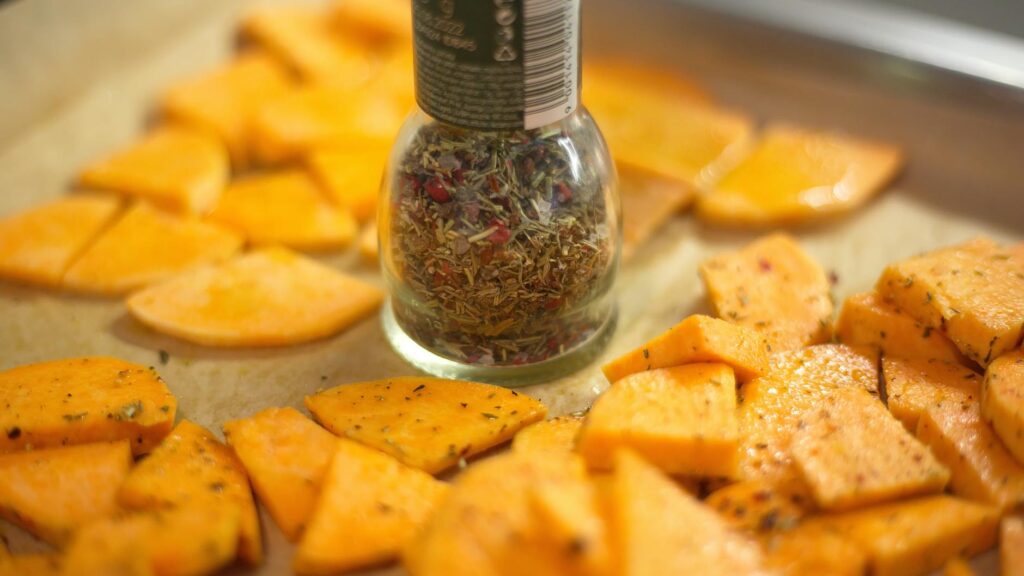
- Roasting: Cubed or sliced sweet potatoes can be roasted to enhance their natural sweetness.
- Soups and Stews: They are often added to soups and stews for added nutrition and flavor.
- Frying: Sweet potato fries are a popular alternative to regular fries, offering a unique taste and texture.
- Purées: Sweet potato purée can serve as a base for sauces, baby food, or desserts.
Quality and Grading
The quality of sweet potatoes is determined by several factors, including size, shape, color, and the absence of blemishes. Grading standards vary by region but generally fall into the following categories:
Buying Considerations
When purchasing sweet potatoes, several factors should be taken into account to ensure you select the best quality:
1. Appearance: Look for smooth, firm skin without blemishes or soft spots. The color should be vibrant, indicating freshness.
2. Size: Choose sweet potatoes that are uniform in size for consistent cooking. Larger sweet potatoes can sometimes be fibrous, while smaller ones may be sweeter.
3. Harvest Time: Seasonal availability varies by region. In the U.S., for example, sweet potatoes are typically harvested from late summer to early winter.
4. Variety: Be aware of the variety you are purchasing, as different types offer varying flavors and textures. Purple-fleshed sweet potatoes are known for their earthiness, while orange-fleshed varieties are sweeter.
5. Source: If possible, buy from local farmers or markets to ensure freshness and support sustainable agricultural practices.
Uses and Applications
Sweet potatoes are incredibly versatile and can be incorporated into a wide range of culinary applications. Common uses include:
In addition to traditional uses, sweet potatoes are increasingly being explored in innovative culinary applications, including smoothies, salads, and even as a gluten-free flour substitute.
Storage and Shelf Life
Proper storage is essential to maintain the quality of sweet potatoes. They should be kept in a cool, dark, and