
Tamarillo About Guide Part 7
Introduction
Tamarillo, often referred to as the “tree tomato,” is a unique fruit that has garnered attention for its vibrant colors and distinctive flavor profile. This guide aims to delve into the intricate details surrounding tamarillo, from its history and production to its culinary uses and storage, providing a comprehensive understanding of this extraordinary ingredient.
What Is About?
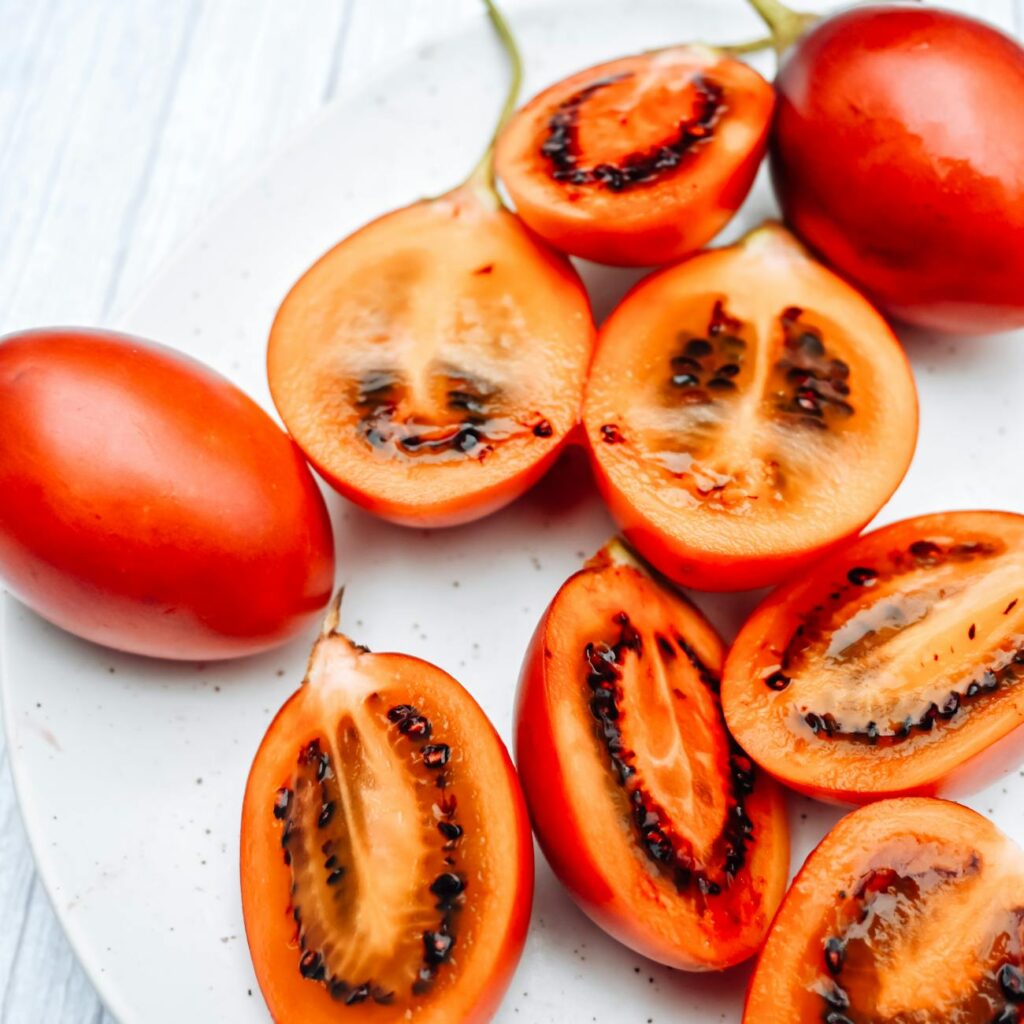
Tamarillo belongs to the Solanaceae family, which includes other well-known fruits such as tomatoes and eggplants. Scientifically classified as Solanum betaceum, tamarillo is a tropical fruit that varies in shape, color, and taste. The fruit can be oval or pear-shaped and comes in hues ranging from yellow and orange to red and purple. The flavor profile is equally diverse, often described as a blend of tomato and passion fruit, with a tartness that can range from mild to intense depending on the ripeness.
Tamarillos are not only delightful in flavor but also packed with nutrients, making them a popular choice among health-conscious consumers. They are rich in antioxidants, vitamins, and minerals, contributing to a balanced diet.
History and Origins
The tamarillo’s origins trace back to the Andean regions of South America, specifically in countries like Ecuador, Colombia, and Peru. Indigenous peoples have cultivated this fruit for centuries, utilizing it in various culinary and medicinal applications. The tamarillo was first documented in the 19th century, and its cultivation spread to other parts of the world, including New Zealand, where it gained significant popularity.
In the mid-20th century, the tamarillo was introduced to North America and Europe, where it was embraced for its exotic appeal and versatility. Today, it is grown in various temperate and tropical regions around the globe, including parts of Africa and Asia.
Production and Processing
Tamarillo thrives in well-drained soils and requires a warm climate to flourish. The fruit is typically harvested when it reaches maturity, characterized by its vibrant color and firm texture. Harvesting is often done manually to prevent bruising, ensuring that the fruit remains intact for market distribution.
Post-harvest, tamarillos are subjected to sorting and grading processes. Quality control is paramount; only fruits that meet specific size, color, and firmness criteria are selected for sale. Once sorted, tamarillos may be packaged for fresh consumption or processed into various products such as juices, sauces, or jams. Processing can enhance shelf life and provide new avenues for culinary innovation.
Quality and Grading
The quality of tamarillo is determined by several factors, including color, size, firmness, and absence of blemishes. The most desirable tamarillos are those that exhibit rich, vibrant colors and a firm texture. When grading tamarillos, producers often classify them into different categories, with higher grades reserved for fruits that meet strict quality standards.
Additionally, tamarillo fruit is often subjected to sensory evaluation to assess its flavor profile. The balance of sweetness and acidity is a key determinant for consumers, influencing their purchasing decisions.
Buying Considerations
When purchasing tamarillos, there are several factors to consider to ensure optimal quality and freshness.
1. Color: Look for tamarillos that exhibit a deep, rich color. The hue can indicate ripeness; for instance, red tamarillos should be uniformly red, while yellow or orange varieties should display a consistent, vibrant tone.
2. Texture: Gently press the fruit; it should yield slightly to pressure without being overly soft. A firm texture often signifies freshness.
3. Blemishes: Inspect the fruit for any signs of bruising, spots, or wrinkles, as these can indicate overripeness or spoilage.
4. Seasonality: While tamarillos can be found year-round in some regions, they are usually at their peak seasonal availability during warmer months. Timing your purchase can enhance the flavor experience.
5. Source: Opt for locally sourced or organic tamarillos when possible, as these are often fresher and more flavorful than imported varieties.
Uses and Applications
Tamarillos are incredibly versatile and can be used in various culinary applications. Their unique flavor profile allows them to shine in both sweet and savory dishes.
1. Fresh Consumption: Tamarillos can be enjoyed raw, sliced, or diced, often served in salads or as a garnish for various dishes. The fruit’s tangy flavor pairs well with mild cheeses and cured meats.
2. Cooking: The fruit can be roasted or grilled, which enhances its natural sweetness and adds depth to savory dishes. Tamarillos are often used in sauces, chutneys, and salsas, providing a unique twist to traditional recipes.
3. Beverages: Tamarillo juice is gaining popularity due to its refreshing taste, making it an excellent choice for cocktails, smoothies, and other drinks.
4. Desserts: The fruit can also be incorporated into desserts, such as tarts and sorbets, where its tartness complements sweet flavors.
5. Preserves: Tamarillos can be made into jams and jellies, extending their culinary use throughout the year.
Storage and Shelf Life
Proper storage is essential to prolong the shelf life and maintain the quality of tamarillos.
1. At Room Temperature: If tamarillos are not fully ripe, store them at room temperature until they reach desired ripeness. Avoid exposure to direct sunlight, which can lead to overripeness.
2. Refrigeration: Once ripe, tamarillos can be transferred to the refrigerator, where they can last for about one week. Store them in the vegetable crisper to minimize moisture loss.
3. Freezing: For long-term storage, tamarillos can be frozen. It is advisable to peel and slice the fruit before