
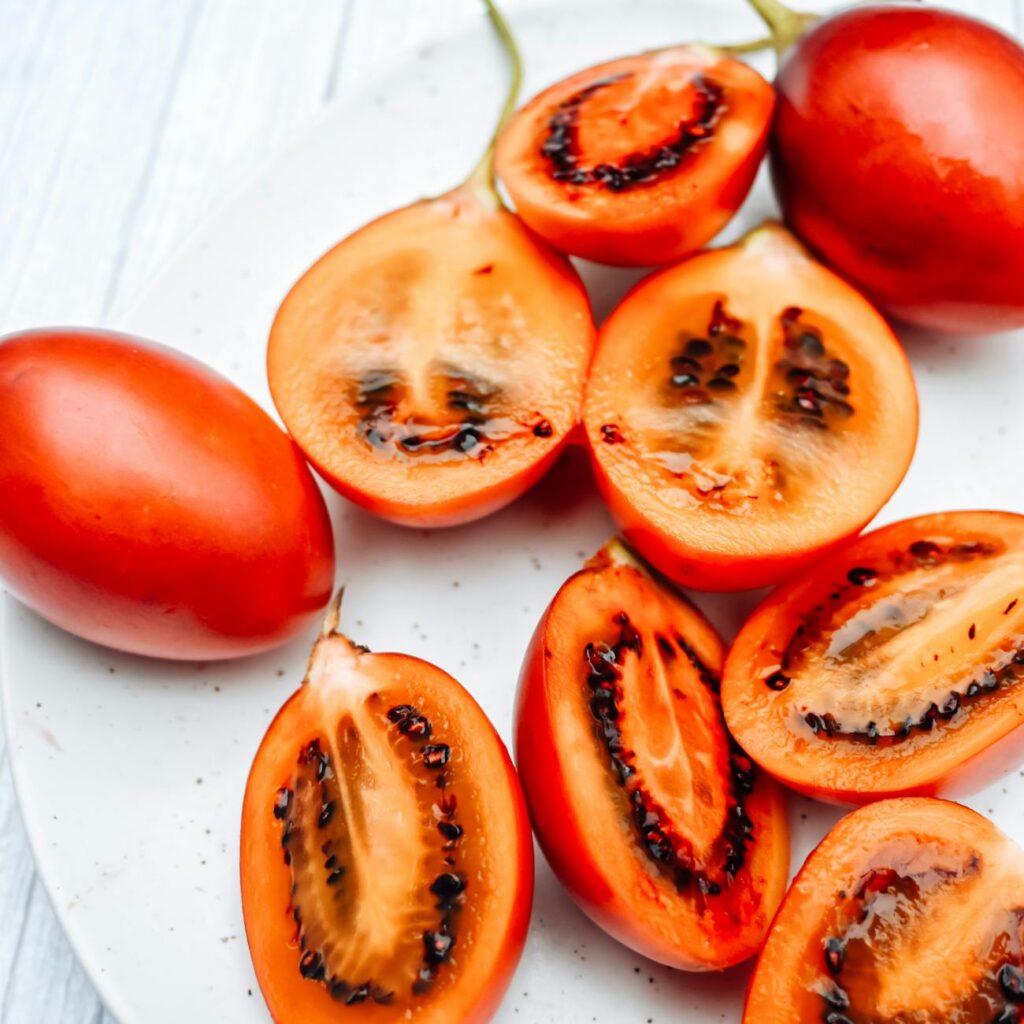
Tamarillo Around the World
Introduction
Tamarillo, often referred to as the “tree tomato,” is an intriguing fruit that has captivated taste buds across the globe. With its unique flavor profile and vibrant color, tamarillo is celebrated not only for its culinary versatility but also for its cultural significance in various regions. This article delves into the multifaceted world of tamarillo, exploring its origins, production methods, and uses across different geographical landscapes.
What Is Regions?
Understanding the regions associated with tamarillo involves examining the diverse climates and cultures that contribute to its cultivation and consumption. The tamarillo thrives in tropical and subtropical environments, which dictate its geographical distribution. From the Andes mountains of South America to the lush fields of New Zealand, each region imparts its own unique characteristics to the fruit.
History and Origins
The tamarillo is native to the Andean region of South America, specifically in countries such as Peru, Ecuador, and Colombia. Historically, the indigenous peoples of these regions have cultivated the fruit for centuries, utilizing it in both culinary and medicinal applications. The name “tamarillo” is derived from the Spanish word for “tamarind,” although it is not directly related to tamarind.
In the late 19th century, tamarillos were introduced to New Zealand, where they gained popularity and were further developed into various cultivars. Today, tamarillo is cultivated in several countries, including Australia, the United States, and parts of Asia, leading to a rich tapestry of flavors and uses.
Production and Processing
Tamarillo is typically grown in subtropical climates, thriving in areas with well-drained soil and moderate rainfall. The fruit is harvested when ripe, usually between autumn and spring, depending on the region. It is essential to handle tamarillos with care to prevent bruising, as they are delicate and can easily be damaged.
Once harvested, tamarillo undergoes minimal processing. Common practices include washing, sorting, and packaging for distribution. The fruit is often transported in refrigerated conditions to maintain its freshness. In regions where tamarillo is a staple, some may undergo value-added processing to create jams, sauces, and other products.
Quality and Grading
Quality assessment of tamarillo is crucial for both producers and consumers. Factors such as color, size, and firmness play a significant role in determining the grade of the fruit. High-quality tamarillos typically exhibit a bright, rich color, which can range from deep red to yellow or purple, depending on the variety.
Fruits that are blemish-free and firm to the touch are considered premium. Grading standards may vary by region, but in general, tamarillos are classified into categories based on these attributes, ensuring that consumers receive the best possible product.
Buying Considerations
When purchasing tamarillos, consumers should consider several factors to ensure optimal quality. Look for fruits that feel firm and have a vibrant color, as these characteristics indicate freshness. Avoid tamarillos that show signs of bruising or wrinkling, as these may indicate over-ripeness or improper handling.
In many markets, tamarillos are available year-round, although peak seasons may vary by region. Organic options are also increasingly available, appealing to consumers who prioritize sustainable farming practices.
Uses and Applications
Tamarillo’s unique flavor makes it a versatile ingredient in various culinary applications. Its sweet and tangy profile lends itself well to both savory and sweet dishes. In South America, tamarillo is often used in salads, salsas, and sauces, providing a refreshing contrast to rich meats and grilled vegetables.
In New Zealand, tamarillos are commonly incorporated into desserts, jams, and chutneys, showcasing their versatility. Additionally, the fruit can be enjoyed fresh, either on its own or as part of a fruit salad. It is also used in beverages, including juices and smoothies, enhancing their nutritional profile with its vibrant flavor.
Storage and Shelf Life
Tamarillos are best stored at room temperature until they reach optimal ripeness. Once ripe, they can be transferred to the refrigerator to extend their shelf life. Under proper conditions, tamarillos can last for up to one week in the refrigerator. However, it is advisable to consume them sooner for the best flavor and texture.
When storing tamarillos, keep them in a single layer to avoid bruising. It is also essential to separate them from other fruits, as some emit ethylene gas, which can accelerate ripening.
Common Misconceptions
One common misconception about tamarillo is that it is a type of tomato. While both belong to the Solanaceae family, they are distinct fruits with different flavors and uses. Tamarillos are often confused with their tomato cousins due to the similarities in their appearance, but tamarillos possess a unique taste that sets them apart.
Another misconception is that tamarillos are difficult to find outside their native regions. In reality, tamarillos have gained international popularity, and they are increasingly available in grocery stores, farmers’ markets, and specialty shops worldwide.
Frequently Asked Questions
1. What does tamarillo taste like?
Tamarillo has a unique flavor profile that combines sweet and tangy notes. The taste can vary depending on the variety, with some being sweeter and others more tart.
2. How do you eat tamarillo?
Tamarillo can be eaten fresh, either whole or sliced. It can also be added to salads, salsas, and desserts, or blended into smoothies and juices.
3. Are tamarillos nutritious?
Yes, tamarillos are low in calories and rich in vitamins A and C, as well as dietary fiber and antioxidants, making them a healthy addition to a balanced diet.
4. Can you cook tamarillo?
While tamarillo is often eaten raw, it can also be