
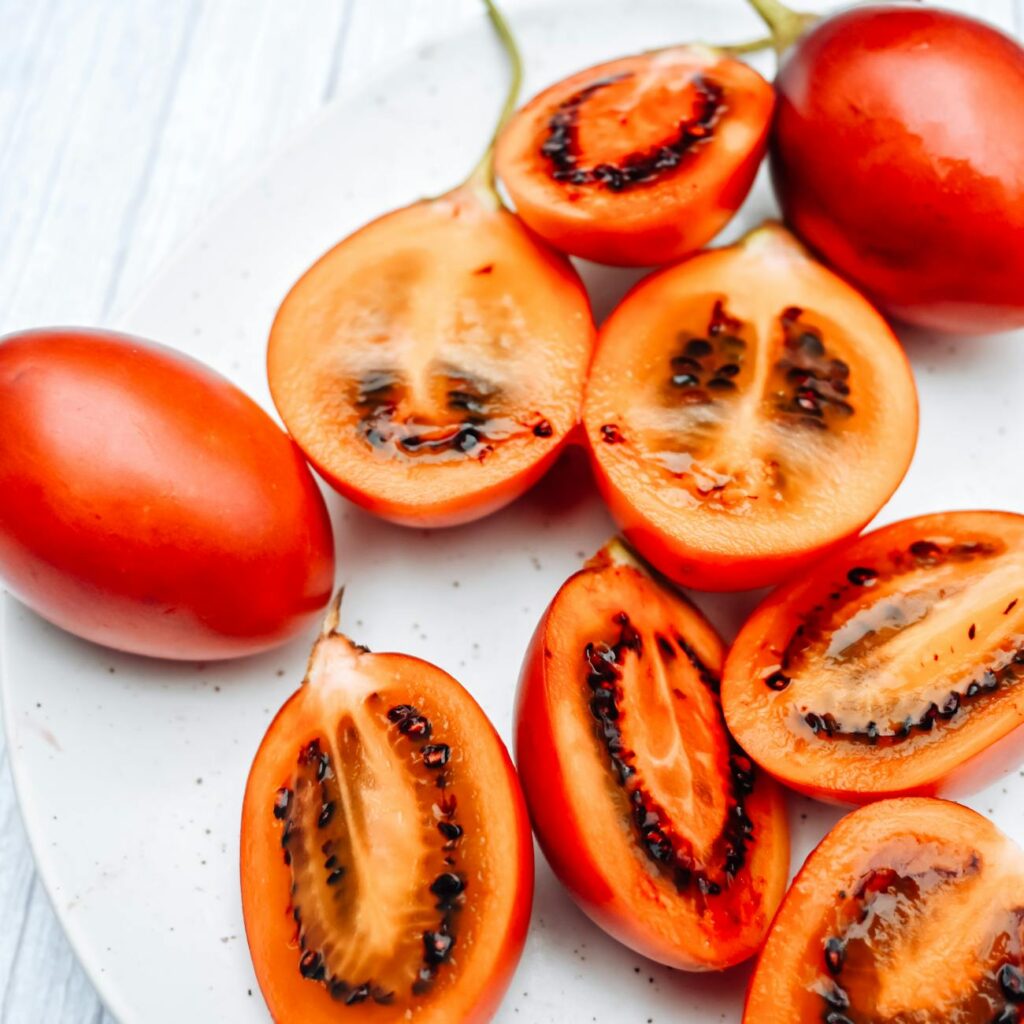
Tamarillo Cultivation Explained
Introduction
Tamarillo, often referred to as the “tree tomato,” is a vibrant fruit that has captured the attention of culinary enthusiasts around the globe. Known for its unique flavor profile, which ranges from sweet to tangy, the tamarillo is not only a versatile ingredient in various dishes but also a fascinating plant to cultivate. This article delves into the cultivation of tamarillo, exploring its history, production methods, quality standards, and more, providing a comprehensive understanding of this intriguing fruit.
What Is Growing?
Growing refers to the process of cultivating plants, encompassing all the necessary practices from planting seeds or seedlings to harvesting mature produce. In the context of tamarillo, growing involves selecting the right varieties, preparing the soil, managing environmental conditions, and ensuring that the plants receive adequate care throughout their growth cycle. This intricate process is essential for achieving quality fruit that meets market standards.
History and Origins
The tamarillo is native to the Andean regions of South America, particularly in countries like Colombia, Ecuador, and Peru. Indigenous peoples have cultivated this fruit for centuries, appreciating its rich, tangy taste and nutritional benefits. The fruit was initially introduced to other parts of the world in the 19th century, gradually spreading to regions with suitable climates, such as New Zealand, Australia, and parts of Africa.
In New Zealand, tamarillo cultivation gained significant traction, leading to its commercialization. The country developed a variety of tamarillo known for its unique flavor, which has since become popular in international markets. Today, the tamarillo is cultivated in various countries, each contributing to its diverse uses and applications.
Production and Processing
Cultivation Practices
Tamarillos thrive in subtropical and temperate climates, requiring specific growing conditions for optimal yield. Ideal temperatures range from 15°C to 25°C (59°F to 77°F), with protection from frost, as mature plants are sensitive to cold temperatures. The fruit is typically grown in well-drained, fertile soil with a pH level between 6.0 and 7.0.
Propagation
Tamarillos can be propagated through seeds or cuttings. Seed propagation involves planting seeds in seed trays, which should be kept moist and warm until germination occurs, usually within two to three weeks. Once seedlings have developed a few true leaves, they can be transplanted into larger pots or directly into the field.
For cuttings, healthy, mature stems are selected and cut into sections, ensuring that each cutting has at least one node. These cuttings are then planted in nutrient-rich soil, where they will develop roots over several weeks.
Care and Maintenance
Once established, tamarillo plants require regular watering, especially during dry periods. Mulching can help retain soil moisture and suppress weeds. Fertilization with organic matter or balanced fertilizers promotes healthy growth and fruit development. Pruning is also vital; it helps improve airflow and sunlight penetration, which are crucial for fruit quality.
Pest and Disease Management
Common pests that affect tamarillo include aphids, whiteflies, and spider mites. Integrated pest management (IPM) strategies, such as introducing natural predators and using organic pesticides, can mitigate these issues. Diseases like root rot and powdery mildew can impact crop yield, making it essential to monitor plant health and employ appropriate treatments when necessary.
Quality and Grading
Quality tamarillos are characterized by their vibrant color, firm texture, and absence of blemishes or soft spots. The grading process typically involves evaluating factors such as size, color, and overall appearance. In commercial markets, tamarillos are often categorized into grades, with higher grades commanding better prices.
Color and Size
Tamarillos come in various colors, including yellow, orange, and red. The color often indicates ripeness and flavor intensity. Size also plays a role in grading, with larger fruits generally being more desirable.
Taste and Aroma
The flavor profile of tamarillos can vary significantly based on the variety and ripeness. A well-ripened tamarillo will have a sweet, tangy taste with a pleasant aroma, making it more appealing to consumers.
Buying Considerations
When purchasing tamarillos, several factors should be considered to ensure quality and freshness. Look for fruits that are firm to the touch, free from blemishes, and brightly colored. Overripe tamarillos may have a dull appearance and soft texture, indicating that they are past their prime.
Seasonal Availability
Tamarillos are typically in season during the warmer months, with peak availability varying by region. Understanding the local growing season can help buyers source the freshest produce.
Organic vs. Conventional
Consumers may also consider whether to purchase organic or conventionally grown tamarillos. Organic fruits are cultivated without synthetic pesticides and fertilizers, appealing to those seeking natural options. However, both organic and conventional tamarillos can be of high quality, so it may be beneficial to assess each fruit individually.
Uses and Applications
Tamarillos are celebrated for their versatility in culinary applications. They can be eaten raw, cooked, or used in beverages, sauces, and desserts. Their unique flavor pairs well with both sweet and savory dishes, making them a sought-after ingredient in global cuisines.
Raw Consumption
Fresh tamarillos can be sliced and added to salads, served as a snack, or blended into smoothies. Their vibrant color adds visual appeal, while their tangy flavor enhances the overall taste profile.
Cooking and Sauces
Tamarillos are often used in cooking, where their acidity can balance richer flavors. They can be roasted, stewed, or pureed to create sauces that accompany meats, fish, or vegetables. Their juice can also be used in dressings or marinades.
Beverages and Desserts
In addition to savory uses, tamarillos can be incorporated into beverages such as juices and