
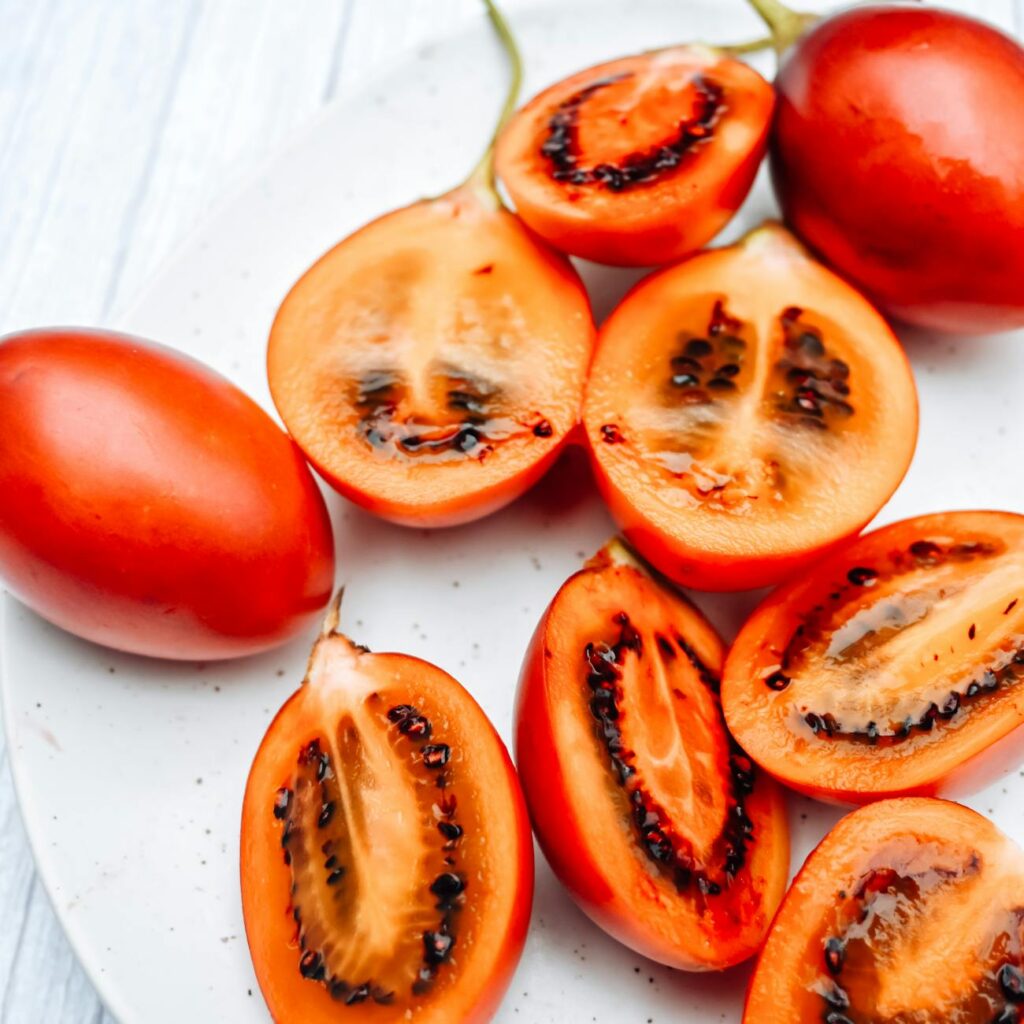
Tamarillo FAQs Answered
Introduction
Tamarillo, often referred to as the “tree tomato,” is a unique fruit celebrated for its distinct flavor and versatile applications. Gaining traction in various culinary scenes across the globe, this fruit is not only a delight to the palate but also a subject of interest for its rich history and diverse uses. This article aims to explore the many facets of tamarillo, providing comprehensive answers to frequently asked questions.
What Is Tamarillo?
Tamarillo (Solanum betaceum) is a member of the nightshade family, which includes tomatoes, potatoes, and eggplants. This fruit is oval to egg-shaped, typically ranging in color from yellow to orange, red, or purple. The flesh is juicy and can vary from tart to sweet, depending on the variety and ripeness. Tamarillos are often eaten raw, but they can also be used in sauces, chutneys, and desserts, showcasing their adaptability in both savory and sweet applications.
History and Origins
Tamarillo is native to the Andean regions of South America, particularly in countries like Colombia, Ecuador, and Peru. Indigenous peoples have cultivated this fruit for centuries, valuing it not only for its taste but also for its nutritional benefits. The fruit was introduced to other parts of the world in the late 19th and early 20th centuries, and since then, it has been cultivated in various tropical and subtropical climates, including New Zealand, Australia, and parts of the United States.
Production and Processing
Tamarillo cultivation requires specific climatic conditions. It thrives in warm, subtropical regions with well-drained soil and plenty of sunlight. The fruit is typically harvested when it reaches full color and ripeness, which can vary by variety.
Once harvested, tamarillos are usually washed and sorted according to size and color. They can be consumed fresh or processed into various forms, such as purees, sauces, or jams. The processing methods help to extend the shelf life of tamarillos and make them available to a broader market.
In regions where tamarillo is cultivated, local farmers often engage in sustainable practices to ensure high-quality production while minimizing environmental impact.
Quality and Grading
Quality grading for tamarillo is essential, as it affects both the marketability and consumer satisfaction of the fruit. Factors influencing quality include size, color, firmness, and the absence of blemishes or scars. A well-graded tamarillo should be firm to the touch, with vibrant color and no signs of spoilage.
In commercial markets, tamarillos are often classified into grades, such as “Grade A” for premium quality and “Grade B” for fruits that may have minor imperfections but are still suitable for consumption. Proper grading ensures that consumers receive fruits that meet their expectations for taste and visual appeal.
Buying Considerations
When purchasing tamarillo, there are several factors to consider to ensure you select the best quality fruit:
1. Ripeness: Look for fruits that are fully colored and slightly soft to the touch. Avoid fruits that are overly hard or have dark spots, which may indicate overripeness or decay.
2. Color: Depending on the variety, tamarillo can range from yellow to deep red or purple. Choose fruits that display vibrant, uniform coloring.
3. Size: Tamarillos come in various sizes. Larger fruits may have a higher water content, while smaller ones can be more concentrated in flavor. Choose based on personal preference.
4. Purchase Source: Buy from reputable vendors or farmer’s markets, where you can inquire about the cultivation and handling practices of the fruit.
5. Seasonality: Tamarillo is typically in season from late spring to early fall. Purchasing during this window can yield fresher, more flavorful fruit.
Uses and Applications
Tamarillo’s unique flavor profile allows it to be used in a variety of culinary applications:
- Raw Consumption: The fruit can be sliced and eaten raw. Its sweet-tart flavor pairs well with salads, salsas, and as a garnish.
- Cooking: Tamarillo can be roasted, grilled, or sautéed to enhance its sweetness. It is often used in savory dishes, especially in South American cuisine.
- Preserves and Sauces: The fruit can be made into jams, jellies, or sauces, adding a unique flavor to condiments and dressings.
- Beverages: In some cultures, tamarillo is used to create refreshing drinks or smoothies, often blended with other fruits.
- Desserts: Its sweet flavor makes it an excellent addition to desserts, including tarts and puddings.
- Room Temperature: If the fruit is not fully ripe, store it at room temperature until it ripens. Once ripe, it can be kept in the refrigerator to extend its shelf life.
- Refrigeration: Ripe tamarillos can be stored in the refrigerator for up to a week. Ensure they are placed in a breathable container to prevent moisture buildup.
- Freezing: If you have an excess of ripe tamarillos, they can be frozen for longer storage. It is advisable to slice or puree the fruit before freezing, as this can help preserve its flavor and texture.
Storage and Shelf Life
Proper storage is crucial for maintaining the quality of tamarillo. Here are some guidelines:
Common Misconceptions
Despite its increasing popularity, several misconceptions about tamarillo persist:
1. Not Related to Tomatoes: While tamarillos are often dubbed “tree tomatoes,” they are distinct from traditional tomatoes. They belong to the same family but have different taste profiles and uses.
2. Only for South American Cuisine: While tamarillo is a staple in South American dishes, its versatility allows it to be integrated into various cuisines worldwide.
3. Uncommon Fruit: Although tamarillo may not be as widely known as other fruits, it is gaining popularity in global markets. Increased awareness is leading to a rise in its availability.
4. Limited Flavor Range: While some may perceive tamarillo as just a tart fruit, varieties exist that offer a spectrum of flavors, from sweet to tangy.
Frequently Asked Questions
1. What is the best way to eat tamarillo?
Tamarillo can be eaten raw by slicing it in half and scooping out the flesh. It can also be used in salads, salsas, or cooked dishes. Its flavor pairs well with both sweet and savory ingredients.
2. How do I tell when a tamarillo is ripe?
A ripe tamarillo will exhibit vibrant color and yield slightly to gentle pressure. It should not be overly hard or mushy. A slight sheen on the skin may also indicate ripeness.
3. Can tamarillo be eaten with the skin on?
Yes, the skin of the tamarillo is edible and contains additional nutrients. However, some individuals may prefer to peel it before consumption due to its slightly bitter taste.
4. Are there different varieties of tamarillo?
Yes, there are several varieties of tamarillo, including yellow, red, and purple. Each variety offers a unique flavor profile, ranging from sweet to tart.
5. How should I store tamarillo to prolong its freshness?
Store unripe tamarillos at room temperature. Once ripe, they can be refrigerated for up to a week. For long-term storage, ripe tamarillos can be frozen after slicing or pureeing.
6. Is tamarillo a good source of nutrients?
Tamarillo is rich in vitamins A, C, and E, as well as dietary fiber. It contains antioxidants that can contribute to overall health, making it a nutritious addition to your diet.
Conclusion
Tamarillo, with its intriguing flavor and versatility, is a valuable fruit that deserves more attention in culinary applications worldwide. Understanding its history, production, and proper handling can elevate your experience with this unique ingredient. Whether enjoyed raw, cooked, or processed, tamarillo continues to inspire creativity in kitchens around the globe.