
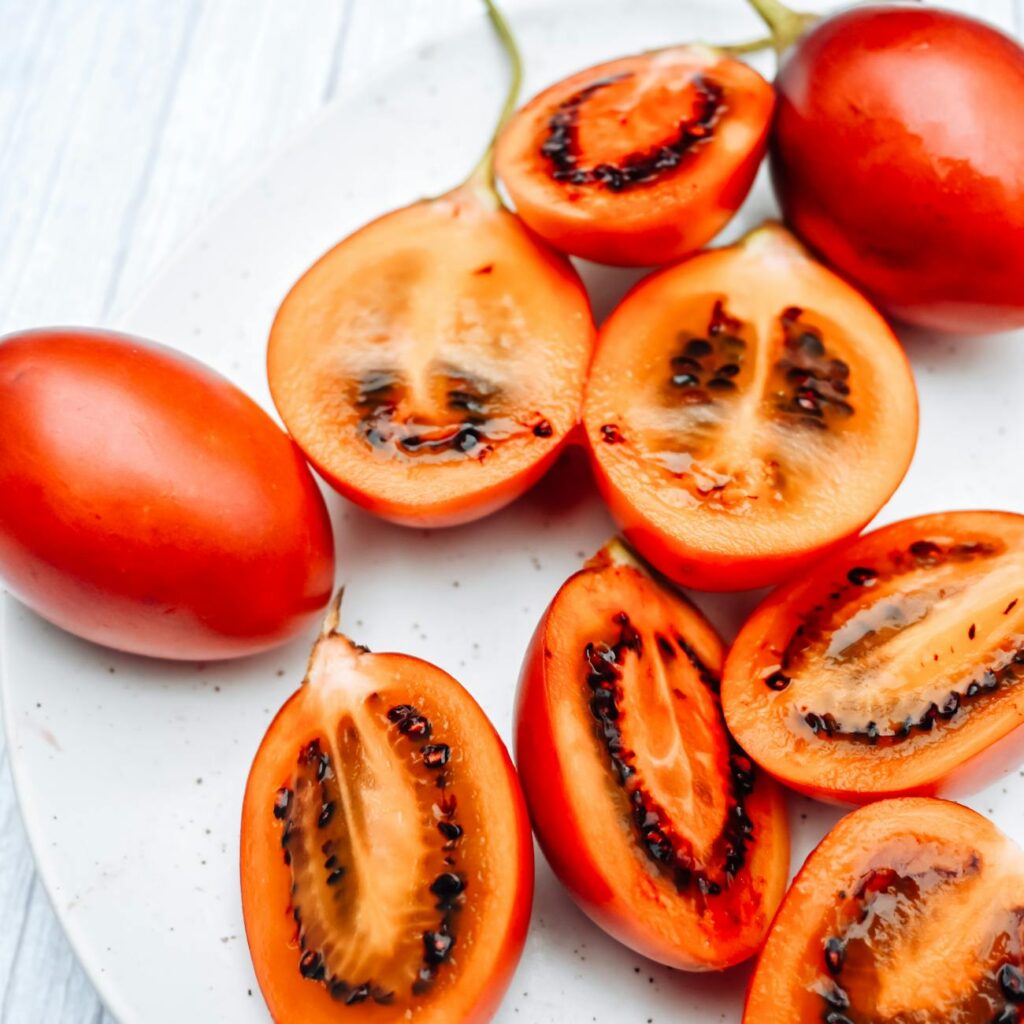
Tamarillo Growing Guide Part 6
Introduction
Tamarillo, often referred to as the “tree tomato,” is a unique and versatile fruit that thrives in various climates around the world. With its vibrant colors and distinct flavor profile, tamarillo has captured the attention of chefs, home cooks, and health enthusiasts alike. This guide delves into the intricacies of growing tamarillo, exploring its history, production methods, quality grading, and more, providing a comprehensive overview for anyone interested in cultivating this remarkable ingredient.
What Is Growing?
Growing refers to the cultivation of plants, encompassing the entire process from seed to harvest. This term includes the necessary steps such as soil preparation, planting, watering, and maintenance of the plants as they develop. In the case of tamarillo, understanding its growth cycle, ideal growing conditions, and care requirements is crucial for successful cultivation. Tamarillo plants can reach a height of about 3 to 10 feet, depending on the variety and growing conditions, and typically bear fruit within 6 to 12 months after planting.
History and Origins
Tamarillo is native to the Andes Mountains of South America, particularly in countries such as Colombia, Ecuador, and Peru. The indigenous peoples have cultivated the fruit for centuries, utilizing it not only for its nutritional benefits but also for its vibrant flavor. As it gained popularity, tamarillo spread to various parts of the world, including New Zealand, where it has become a staple in local cuisine.
The fruit is classified as belonging to the Solanaceae family, which includes other well-known plants like tomatoes and eggplants. Over the years, various cultivars have been developed, each with distinct characteristics in terms of color, size, and flavor. The plant’s adaptability to diverse climates enables it to be grown in regions ranging from tropical to subtropical, making it a valuable crop for many farmers.
Production and Processing
Tamarillo is primarily grown in well-drained, fertile soils with a pH range of 6.0 to 7.0. The plant prefers a warm climate, ideally with temperatures between 20°C and 25°C (68°F to 77°F). It is sensitive to frost, so growers in cooler climates must take precautions to protect the plants during colder months.
Planting
The tamarillo can be propagated from seeds or cuttings. When growing from seeds, it is recommended to start them indoors in seed trays before transplanting them outside once they have developed a few true leaves. For cuttings, select healthy, semi-hardwood stems and plant them in a well-draining medium.
Care Requirements
Regular watering is essential, particularly during the flowering and fruiting stages. Drip irrigation is often preferred to maintain consistent moisture levels without waterlogging the roots. Fertilization should focus on balanced nutrients, including nitrogen, phosphorus, and potassium, applied every 6 to 8 weeks during the growing season.
Pest and Disease Management
Tamarillo is susceptible to various pests and diseases, including aphids, spider mites, and fungal infections. Integrated pest management strategies, including biological controls and organic pesticides, can be effective in managing these issues without harming the plants or the environment.
Quality and Grading
The quality of tamarillo is determined by several factors, including size, color, firmness, and overall appearance. When grading tamarillo, the following standards are typically considered:
- Size: Larger fruits are often preferred for fresh consumption, while smaller sizes may be utilized for processing.
- Color: Tamarillo comes in various colors, including yellow, orange, and red. Bright, vibrant colors indicate ripeness and quality.
- Firmness: The fruit should feel firm but yield slightly to pressure, indicating ripeness.
- Condition: Fruits should be free from blemishes, bruises, or signs of decay.
- Ripeness: Look for fruits that are firm but slightly soft when gently squeezed. Avoid overly hard or excessively soft fruits, as they may not have developed the desired flavor.
- Appearance: Choose tamarillos with bright, uniform color and no signs of damage or decay.
- Source: If possible, buy from local growers who practice sustainable farming methods. This not only supports local agriculture but often results in fresher produce.
- Fresh Consumption: Tamarillo can be eaten raw, sliced, or diced in salads and salsas.
- Sauces and Chutneys: Its unique flavor lends itself well to sauces, chutneys, and marinades.
- Desserts: The fruit can be used in desserts, such as tarts, sorbets, or as a topping for ice cream.
- Beverages: Tamarillo can be juiced or blended into smoothies and cocktails, providing a refreshing twist.
Producers often adhere to local and international grading standards to ensure that their products meet market expectations.
Buying Considerations
When purchasing tamarillo, whether from a grocery store or a farmer’s market, consider the following factors:
Uses and Applications
Tamarillo is a versatile ingredient that can be utilized in various culinary applications. Its tangy flavor profile allows it to complement both sweet and savory dishes. Some common uses include:
Storage and Shelf Life
To maintain the quality of tamarillo, proper storage practices are essential. The fruit should be kept at room temperature until fully ripe, after which it can be refrigerated to extend its shelf life. When stored in the refrigerator, tamarillo can remain fresh for up to one week.
For longer storage, consider freezing the fruit. Peel and slice tamarillos before placing them in airtight containers or freezer bags. Frozen tamarillo can last for several months, retaining its flavor and nutritional value.
Common Misconceptions
Despite its popularity, several misconceptions about tamarillo persist:
1. T