
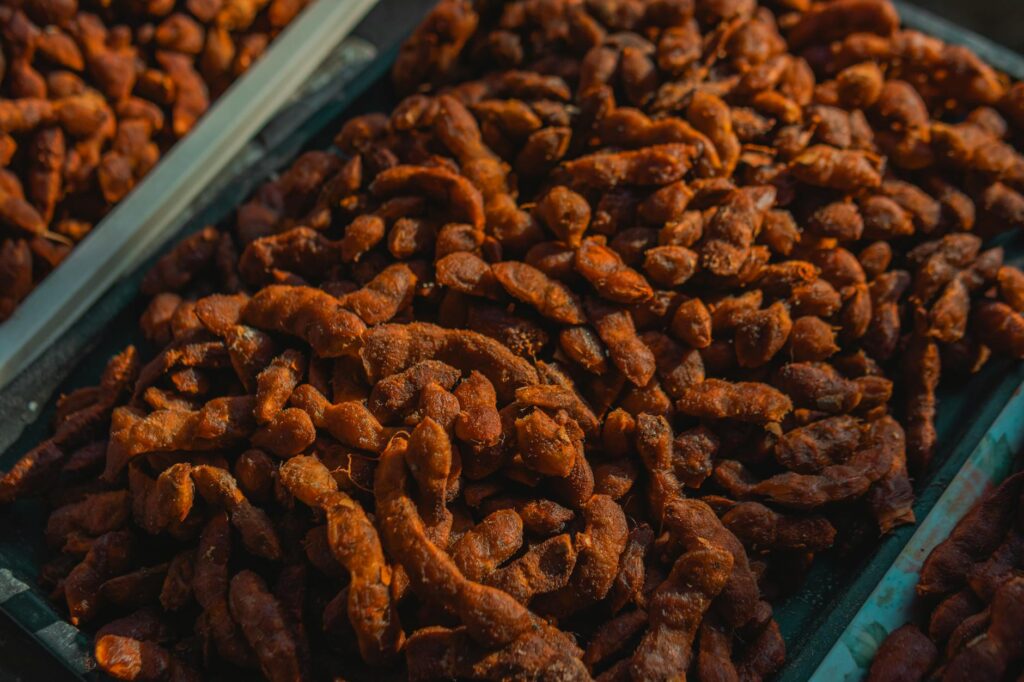
Tamarind Cultivation Explained
Introduction
Tamarind (Tamarindus indica) is a tropical fruit known for its unique sweet and sour flavor profile. Widely used in cuisines around the globe, tamarind is an essential ingredient in various dishes, beverages, and sauces. Beyond its culinary applications, tamarind also plays a significant role in traditional medicine and culture. Understanding the cultivation of tamarind is crucial for both agriculturalists and culinary enthusiasts who wish to appreciate the nuances of this versatile ingredient. This article delves into the intricacies of tamarind cultivation, covering its history, production methods, and practical considerations for growers and consumers alike.
What Is Growing?
Growing refers to the agricultural practices and methods employed to cultivate plants for food, fiber, or other uses. In the context of tamarind, this encompasses everything from selecting the right seeds and preparing the soil to nurturing the plants and harvesting the fruit. Proper cultivation techniques are vital for optimizing yield and ensuring high-quality fruit. Tamarind trees can thrive in various climatic conditions, but they require specific care to flourish and produce high-quality pods.
History and Origins
Tamarind is believed to have originated in Africa, specifically in the region of Sudan, where it has been used for thousands of years. The tree’s name, derived from the Arabic word “tamr hindī,” means “Indian date,” reflecting the fruit’s historical trade routes and its introduction to the Indian subcontinent. Over time, tamarind spread to various tropical and subtropical regions, including Southeast Asia, the Caribbean, and Latin America.
The tamarind tree has been cultivated for its fruit and wood for centuries. In ancient Egypt, tamarind was used as a sweetener, and it found a place in Ayurvedic medicine in India. Today, it is a staple in many cuisines, particularly Indian, Mexican, and Thai, where it is celebrated for its tangy flavor and versatility.
Production and Processing
Cultivation Practices
Tamarind trees thrive in a variety of soil types, although they prefer well-drained, sandy loam with a pH level between 6.0 and 7.5. Before planting, it is crucial to prepare the field by clearing any weeds and debris. The ideal planting season varies by region but generally occurs at the beginning of the rainy season to ensure adequate moisture for young plants.
Seeds are typically sown directly into the ground or raised in nurseries before being transplanted. When planting seeds, spacing is essential; trees should be planted approximately 10 to 15 meters apart to allow for ample sunlight and airflow. Watering is necessary during the early stages of growth, but tamarind trees are drought-tolerant once established.
Maintenance
Regular maintenance is vital for healthy growth. Fertilization with organic matter or balanced fertilizers can enhance soil fertility and support fruit development. Pruning is also necessary to remove dead or diseased branches and to shape the tree for optimal sunlight exposure.
Pests and diseases can affect tamarind trees, including aphids, scale insects, and fungal infections. Integrated pest management strategies, such as introducing beneficial insects or using organic pesticides, can help control these issues while minimizing environmental impact.
Harvesting
Tamarind pods typically take around six to eight months to mature after flowering. Harvesting usually occurs when the pods turn brown and begin to dry. Careful handling is essential, as overripe or damaged pods can lead to spoilage. The pods are picked by hand, and the fruit is extracted from the pod for further processing.
Processing
Post-harvest processing involves cleaning, drying, and packaging the tamarind pulp. The pulp can be processed into various forms, including paste, concentrate, and powder, each suited for different culinary applications. Adequate processing methods are necessary to maintain the fruit’s flavor and nutritional qualities.
Quality and Grading
Quality assessment is crucial for both producers and consumers. Tamarind is typically graded based on several parameters, including size, weight, color, and moisture content. High-quality tamarind should have a firm texture, rich color, and a distinct aroma. Grading systems may vary by region, but generally, the following classifications are common:
- Grade A: High-quality pods with minimal defects, vibrant color, and high pulp content.
- Grade B: Acceptable quality with some blemishes or lower pulp content.
- Grade C: Lower quality, often used for processing or in lower-end products.
- Sauces and Condiments: Tamarind is a key ingredient in many sauces, such as Worcestershire sauce and various chutneys.
- Beverages: Tamarind pulp is used to create refreshing drinks and beverages, especially in tropical countries.
- Curry and Stir-fry Dishes: The
Consumers should seek out reputable sources to ensure they are purchasing high-quality tamarind. Proper grading and labeling can help differentiate between various quality levels and forms of tamarind.
Buying Considerations
When purchasing tamarind, several factors should be considered to ensure quality and freshness:
1. Form: Tamarind is available in various forms, including whole pods, paste, concentrate, and powder. Choose based on intended use.
2. Source: Buy from reputable suppliers or local markets where the product’s origin is known. This can provide assurance of quality and freshness.
3. Packaging: Check for packaging integrity. Airtight, moisture-proof packaging helps preserve the flavor and shelf life of tamarind products.
4. Expiration Date: Always check the expiration or best-before date to ensure freshness.
5. Organic Certification: If sustainability is a concern, look for organic certification, indicating that the tamarind was grown without synthetic pesticides or fertilizers.
Uses and Applications
Tamarind is a versatile ingredient with a wide range of culinary applications. It is primarily used in: