
Tamarind FAQs Answered
Introduction
Tamarind, a unique and versatile ingredient, has gained popularity across various cuisines worldwide. Known for its distinctive sweet-sour flavor, tamarind is not just an essential ingredient in many culinary traditions but also serves a variety of practical applications. This article aims to provide comprehensive insights into tamarind, addressing common questions and offering guidance for enthusiasts and professionals alike.
What Is Tamarind?
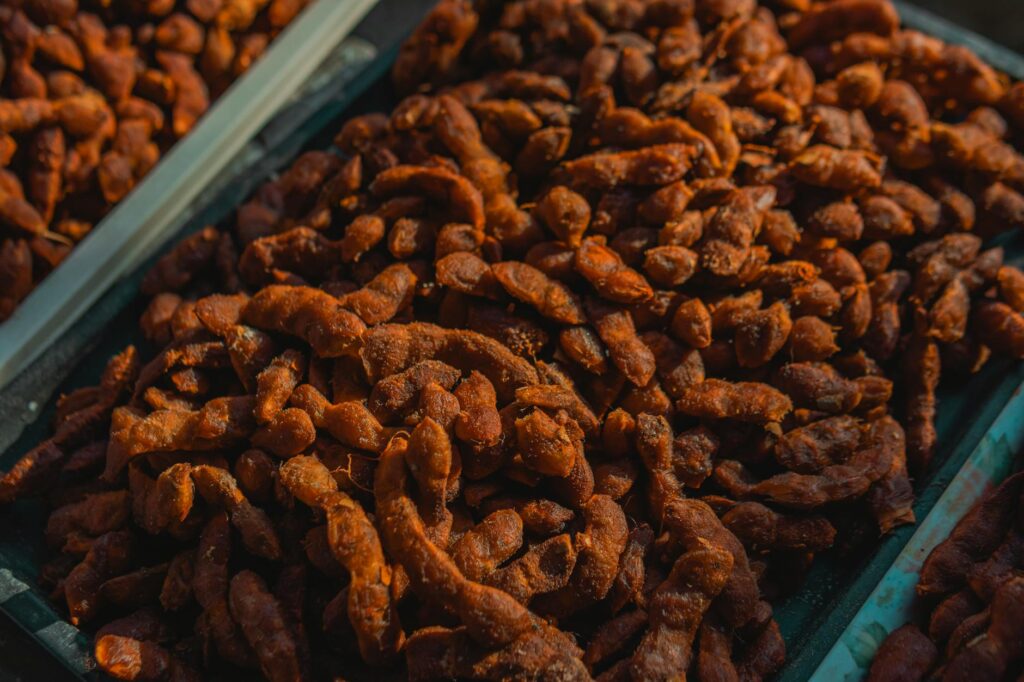
Tamarind (Tamarindus indica) is a leguminous tree native to Africa but widely cultivated in tropical and subtropical regions. The fruit of the tamarind tree is a pod-like structure filled with a sticky pulp that is both tangy and sweet. This pulp is what is primarily used in cooking, beverages, and traditional medicine. Tamarind is often available in various forms, including raw pods, paste, concentrate, and dried chunks, each offering unique culinary possibilities.
History and Origins
The history of tamarind dates back thousands of years. It is believed to have originated in Africa, where it was used by ancient civilizations for both culinary and medicinal purposes. Historical records indicate that tamarind spread to the Indian subcontinent and Southeast Asia, where it became integral to local cuisines. By the 16th century, tamarind was introduced to the Americas via Spanish and Portuguese explorers. Today, tamarind is widely used in Indian, Thai, Mexican, and Middle Eastern cuisines, demonstrating its adaptability and appeal across cultures.
Production and Processing
Tamarind is produced from the pods of the tamarind tree, which can grow up to 80 feet tall. The fruit matures in about six to eight months, after which it is harvested. The processing of tamarind involves several steps:
1. Harvesting: Ripe pods are collected by hand, typically during the dry season. Care is taken to select pods that are fully matured.
2. Shelling: The outer shell of the pod is removed to access the pulp inside. This is often done manually or with the help of specialized machinery.
3. Pulp Extraction: The pulp is separated from the seeds, which can be used for various purposes, including animal feed and oil production.
4. Concentration: The extracted pulp can be processed into a concentrated form by boiling off excess water, resulting in tamarind paste or concentrate.
5. Packaging: The final product is packaged for distribution, ensuring it remains fresh and free from contaminants.
Quality and Grading
The quality of tamarind can significantly impact its flavor and culinary utility. Factors influencing tamarind quality include:
- Ripeness: Fully matured tamarind pods yield the best flavor.
- Color: High-quality tamarind pulp is a rich brown color, indicating optimal ripeness and flavor.
- Texture: The pulp should be smooth and sticky, without excessive dryness or hardness.
- Taste: A balance of sweetness and tartness is ideal.
- Form: Decide whether you need whole pods, paste, or concentrate, as each form has different culinary applications.
- Freshness: Always check the expiration date and look for signs of spoilage, such as discoloration or an off smell.
- Origin: Tamarind is cultivated in various regions; some consumers may prefer tamarind from specific countries known for quality, such as India or Thailand.
- Organic Certification: For those concerned about pesticides and chemicals, look for organic tamarind products.
- Packaging: Choose products that are well-sealed to prevent moisture and contamination.
- Culinary Use: In cooking, tamarind adds a complex flavor to sauces, soups, and marinades. It is a key ingredient in dishes like Pad Thai and various chutneys.
- Beverages: Tamarind is often used to prepare refreshing drinks, such as tamarind juice or agua de tamarindo, popular in Latin America.
- Condiments: Tamarind paste is frequently blended with spices to create sauces and dips, enhancing the flavor profile of various dishes.
- Fermentation: In some cultures, tamarind is used in fermentation processes to create unique flavors in fermented foods.
- Traditional Medicine: While this article does not provide medical advice, it is worth noting that tamarind has been used in various traditional practices for digestive health.
- Whole Pods: Store in a cool, dry place. They can last for several months if kept away from moisture and heat.
- Tamarind Paste/Concentrate: Once opened, tamarind paste should be refrigerated in an airtight container. It can typically last for up to a year when stored properly.
- Dried Tamarind: Dried tamarind should also be kept in a cool, dry place, and can last for an extended period.
- Freezing: For long-term storage, tamarind paste can be frozen in small portions. This method helps retain its flavor and usability.
Grading systems may vary by region, but generally, tamarind is categorized into grades based on these factors. Consumers should look for labels indicating the grade to ensure they are purchasing a quality product.
Buying Considerations
When purchasing tamarind, several factors should be taken into account:
Uses and Applications
Tamarind is incredibly versatile and is utilized in numerous ways:
Storage and Shelf Life
Proper storage is essential to maintain the quality of tamarind. Here are some guidelines:
Common Misconceptions
Despite its popularity, several misconceptions about tamarind persist:
1. All Tamarind Is the Same: Variations exist in flavor and quality depending on the region of cultivation. Not all tamarind is created equal.
2.