
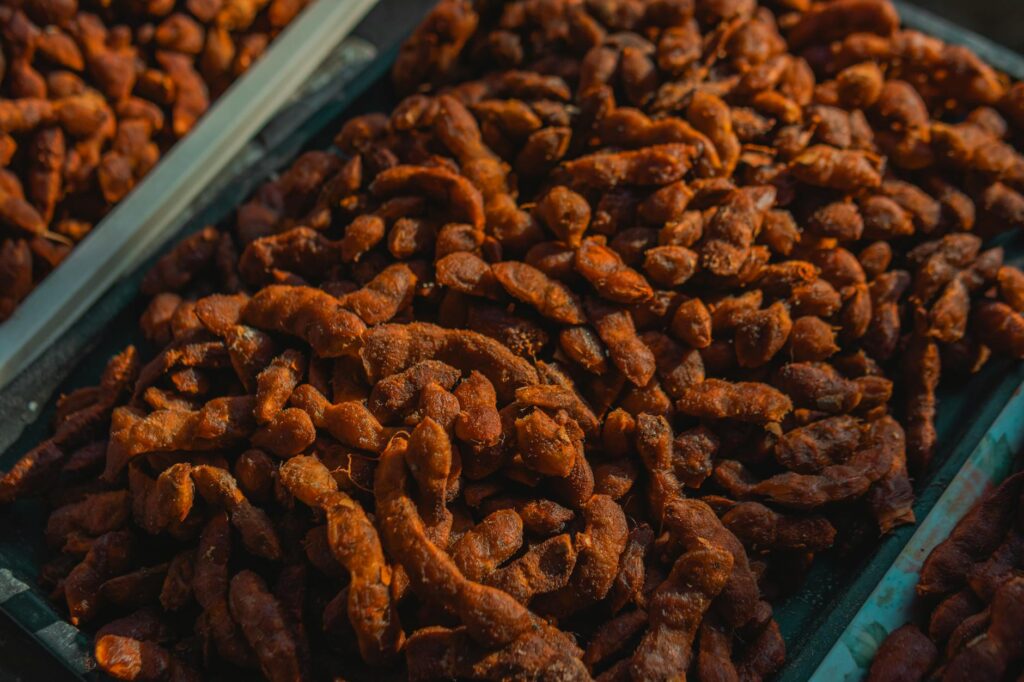
Tamarind Grading Explained
Introduction
Tamarind (Tamarindus indica) is a tropical fruit renowned for its unique sweet and sour flavor, often used in a myriad of culinary applications around the globe. As its popularity continues to grow in various cuisines, understanding the nuances of tamarind grading becomes essential for buyers interested in quality, flavor, and authenticity. This article delves into the intricacies of tamarind, discussing its history, production, quality grading, and important buying considerations.
What Is Buying?
Buying refers to the process of acquiring goods or services, which in the context of food ingredients involves evaluating quality, price, and suitability for intended use. When it comes to tamarind, buyers must navigate a variety of options, including different forms such as paste, concentrate, and whole pods. Understanding grading and quality indicators is crucial for ensuring that the tamarind purchased meets the necessary culinary standards, providing the desired flavor and texture in dishes.
History and Origins
Tamarind has a rich history that dates back thousands of years. Native to Africa, the tamarind tree eventually spread to various parts of Asia, especially India and Southeast Asia, where it became integral to local cuisines. The name “tamarind” is derived from the Arabic word “tamr Hindi,” meaning “Indian date.” Historical texts suggest that tamarind was utilized as a food source and for medicinal purposes as early as 4000 BCE.
Over the centuries, tamarind has made its way across the globe, becoming a staple in Latin American, Middle Eastern, and Asian cooking. Its adaptability and distinctive flavor have led to its incorporation into diverse dishes, from chutneys and sauces to beverages and candies.
Production and Processing
Tamarind production begins with the cultivation of tamarind trees, which thrive in tropical and subtropical climates. The harvesting season typically occurs between March and June, depending on the region. After harvesting, the tamarind pods undergo a series of processing steps to ensure quality and longevity.
Harvesting
The tamarind pods are picked when they are ripe, characterized by a brownish color and a soft texture. Care must be taken during harvesting to avoid bruising the pods, as damage can lead to spoilage.
Processing
Once harvested, tamarind pods are cleaned to remove dirt and debris. They can be processed in several ways:
- Whole Pods: The pods can be sold as is, often used in traditional recipes.
- Pulp: The flesh is extracted from the pods, sometimes mixed with sugar and citric acid to enhance flavor. This pulp can be sold fresh, pasteurized, or dehydrated.
- Concentrate: A more concentrated form of tamarind, often used in sauces and condiments.
- Grade A: Premium quality, high moisture content, rich flavor, and minimal impurities.
- Grade B: Good quality with satisfactory flavor but slightly lower moisture content or aesthetic imperfections.
- Grade C: Lower quality, often used in industrial applications or as a secondary ingredient.
- Sauces and Pastes: Tamarind is widely used in sauces, particularly in Asian cuisines, where it
Each method of processing affects the flavor concentration, shelf life, and usability of tamarind in culinary applications.
Quality and Grading
Understanding tamarind grading is crucial for buyers seeking quality products. The grading system generally evaluates several factors, including appearance, moisture content, and flavor profile.
Factors Influencing Quality
1. Appearance: High-quality tamarind should have a uniform color, typically brown or reddish-brown, without any signs of mold or discoloration.
2. Moisture Content: The moisture level affects the shelf life and texture of tamarind. Ideally, tamarind should have a moisture content between 15% and 20%. Higher moisture can lead to spoilage, while lower levels can result in a dry product that lacks flavor.
3. Flavor Profile: The taste should be a balanced combination of sweetness and acidity. Quality tamarind has a rich, tangy flavor that enhances dishes.
4. Packaging: Proper packaging is essential to prevent contamination and maintain freshness. Vacuum-sealed options are often preferable.
Grading Systems
While there is no universal grading system, several countries have adopted their own classifications. Generally, tamarind can be graded as:
When purchasing tamarind, buyers should seek suppliers who provide detailed information on grading to ensure they are receiving a product that meets their culinary needs.
Buying Considerations
When buying tamarind, several key considerations can help ensure the selection of high-quality product:
1. Source: Understanding where the tamarind originates can provide insight into its quality. Regions known for tamarind cultivation, such as India, Mexico, and Thailand, often produce superior products.
2. Form: Buyers should decide whether they need whole pods, pulp, or concentrate, based on their intended use. Each form has unique flavor profiles and applications.
3. Freshness: Check packaging dates and storage conditions. Fresher tamarind will have better flavor and texture.
4. Supplier Reputation: Choosing reputable suppliers who specialize in tamarind or Asian ingredients can assure quality. Review customer feedback and product descriptions carefully.
5. Price vs. Quality: While price is a critical factor, it should not compromise quality. A lower price may indicate inferior quality, while premium products often justify their cost through superior flavor and freshness.
6. Sustainability: Consider suppliers who prioritize sustainable farming practices. Ethical sourcing can influence the quality and ecological impact of the product.
Uses and Applications
Tamarind is a versatile ingredient found in various culinary applications. Its unique flavor can enhance both sweet and savory dishes. Here are some common uses: