
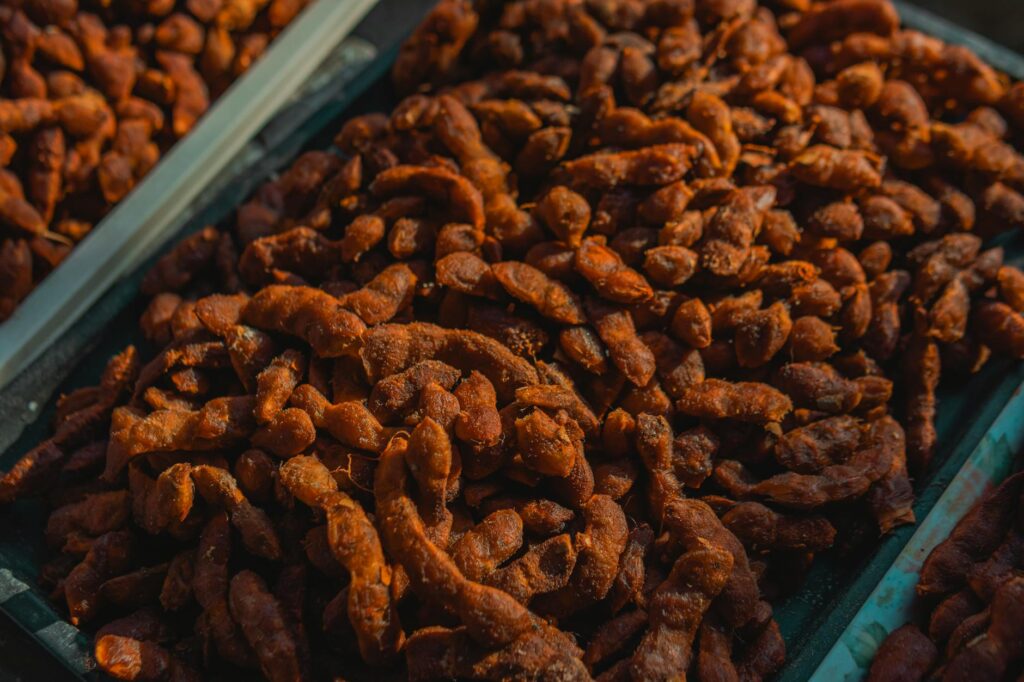
Tamarind Growing Guide Part 7
Introduction
Tamarind (Tamarindus indica) is a tropical tree known for its distinctive pods containing a tangy pulp, widely used in culinary applications across the globe. This guide delves into the intricate process of growing tamarind, encompassing its historical roots, production methods, quality grading, and much more. With a focus on sustainable practices and informed decision-making, this guide aims to equip both novice and experienced growers with the knowledge necessary to cultivate this versatile ingredient effectively.
What Is Growing?
Growing refers to the cultivation of plants from seeds or cuttings, encompassing various stages from germination to maturity. In the context of tamarind, this process involves understanding the specific needs of the tamarind tree, including soil conditions, climate requirements, and care practices. Successful tamarind cultivation not only contributes to personal or commercial production but also supports biodiversity and ecosystem health.
History and Origins
Tamarind has a rich history that dates back thousands of years. Native to Africa, it is believed that tamarind was brought to India as early as 400 CE, where it became a staple in both culinary and medicinal traditions. The tree thrives in tropical climates, which allowed it to spread across Asia, the Americas, and even parts of Europe. Today, tamarind is cultivated in various countries, including India, Thailand, Mexico, and the Philippines, each contributing unique flavors and traditions to its use.
The tamarind tree is not only valued for its fruit but also for its timber and shade. Its adaptability to different environments has made it a resilient plant, often found in both cultivated fields and wild regions.
Production and Processing
The production of tamarind involves several key stages, beginning with seed germination. Tamarind seeds typically take 1 to 2 weeks to germinate under optimal conditions. Once seedlings reach a height of about 6 inches, they can be transplanted into the ground. The ideal conditions for tamarind cultivation include well-drained soil, full sun exposure, and a warm climate with minimal frost.
As tamarind trees mature, they begin to bear fruit after 3 to 4 years. The pods will mature over several months, usually from late summer to early fall. Harvesting involves picking the pods when they are brown and slightly dried, ensuring the pulp inside is ripe.
Post-harvest processing may vary based on intended use. For culinary applications, tamarind can be processed into a paste, concentrate, or dried pods. The quality of the product largely depends on the handling and processing methods employed, emphasizing the importance of maintaining hygiene and proper storage conditions.
Quality and Grading
The quality of tamarind is determined by several factors, including appearance, flavor, and moisture content. High-quality tamarind should have a rich, dark brown color and a consistent, smooth texture. The flavor should be tangy and slightly sweet, with minimal bitterness.
Grading typically categorizes tamarind into different levels based on these criteria. Common grades include:
- Grade A: Superior quality with excellent flavor, color, and texture.
- Grade B: Good quality, but may have minor imperfections or variations.
- Grade C: Acceptable for certain uses but may lack optimal flavor or appearance.
- Opt for suppliers known for sustainable farming practices and high-quality products.
- Choose between fresh pods, paste, or dried forms depending on your intended use. Fresh pods are often preferred for culinary applications, while paste and concentrate are convenient for immediate use.
- Inspect for color, texture, and aroma to ensure freshness. Avoid products with visible mold or an off-putting smell.
- Consider how the tamarind will be stored. Fresh tamarind should be kept in a cool, dry place, while processed forms may require refrigeration.
- Inquire about the farming practices of the supplier, focusing on those that prioritize environmental health and community welfare.
- Flavoring Agent: Tamarind is a key ingredient in many sauces, chutneys, and marinades, imparting a unique tangy flavor.
- Beverages: It is often used in drinks, such as tamarind juice or cocktails, providing a refreshing twist.
- Snacks: Tamarind is commonly found in candy and snack products, often combined with spices or sugar for a delightful contrast.
- Food Industry: Beyond culinary uses, tamarind is utilized in the manufacturing of sauces, dressings, and condiments.
- Cosmetics: Due to its natural astringent properties, tamarind extracts are found in various cosmetic products.
- Pharmaceuticals: The pulp has been used in traditional medicine, lending itself to various formulations.
Understanding these grading systems can guide growers in assessing their produce and enhancing marketability.
Buying Considerations
When purchasing tamarind, whether as fresh pods or processed forms, several factors should be considered:
1. Source:
2. Form:
3. Quality:
4. Storage:
5. Sustainability:
Uses and Applications
Tamarind is incredibly versatile, finding applications in various cuisines and industries. Some of the primary uses include:
Culinary
Industrial
Storage and Shelf Life
The storage of tamarind is crucial for maintaining its quality and flavor. Fresh tamarind pods should be stored in a cool, dry place, ideally in a well-ventilated container. They can last for several weeks under these conditions. For longer storage, tamarind can be refrigerated or frozen, although freezing may alter the texture.
Processed tamarind products, such as paste or concentrate, should be stored in airtight containers in the refrigerator. Typically, they have a shelf life of several months when stored properly. Always check for signs of spoilage before use, especially if the product has been opened