
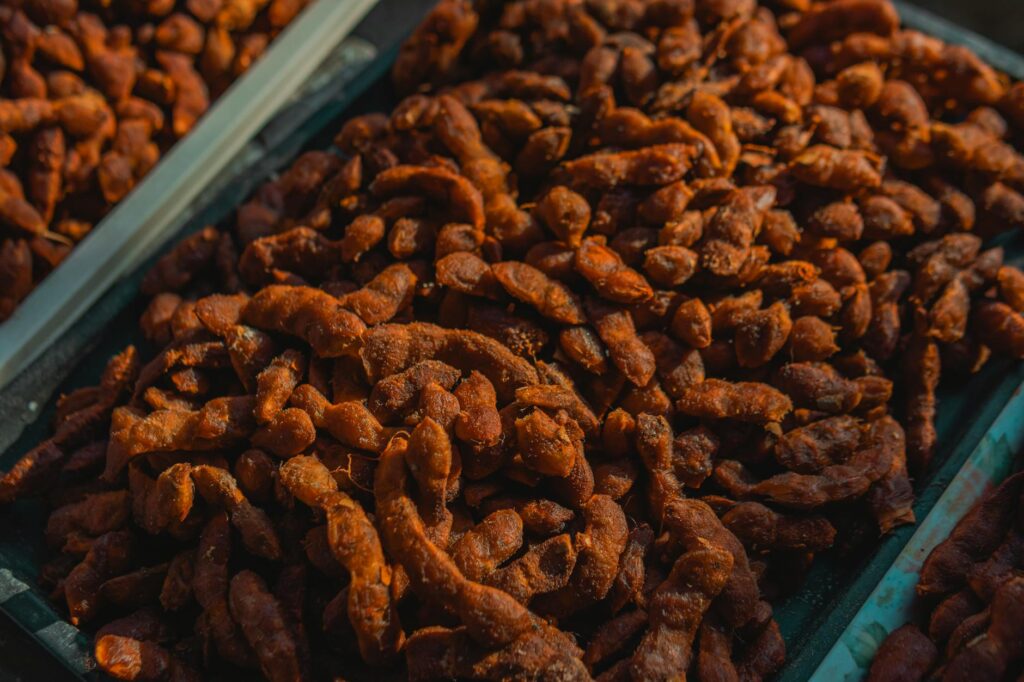
Tamarind in Traditional Cuisine
Introduction
Tamarind, a leguminous tree native to Africa and later cultivated in tropical and subtropical regions worldwide, is a unique ingredient cherished for its tangy flavor and diverse culinary applications. Its sweet and sour profile makes it a crucial component in various traditional cuisines, particularly in Asia, Africa, and Latin America. This article delves into the multifaceted uses of tamarind, exploring its historical significance, production processes, and various culinary applications across cultures.
What Is Uses?
In the context of food ingredients, “uses” refers to the various ways an ingredient is utilized in culinary practices, including its role in flavoring, preservation, and as a component in diverse dishes. Tamarind’s applications range from being a key ingredient in sauces and marinades to serving as a souring agent in soups and stews. Its versatility allows it to enhance flavors and add complexity to numerous recipes.
History and Origins
Tamarind (Tamarindus indica) has a rich history that dates back thousands of years. Originally found in East Africa, it spread to the Indian subcontinent and then to Southeast Asia, where it became a staple in traditional cooking. Ancient texts suggest that tamarind was utilized as a medicinal ingredient and flavor enhancer as early as 400 BCE in India.
The spread of tamarind across continents can also be attributed to trade routes. Arab traders introduced tamarind to various regions, including the Mediterranean and parts of Asia. By the 16th century, it had reached the Americas, where it was embraced in local cuisines, notably in Mexico and the Caribbean.
Production and Processing
Tamarind is harvested from the pods of the tamarind tree. Once ripe, the pods are collected, and their contents, which include a sticky pulp surrounding the seeds, are extracted. The pulp can be consumed fresh or dried for later use. In many traditional cuisines, the pulp is often processed into a paste or syrup, which can be used as a flavoring agent.
The processing of tamarind involves several steps:
1. Harvesting: Farmers collect the pods when they are fully mature, typically between six to twelve months after flowering.
2. Cleaning: The pods are cleaned to remove any debris or impurities.
3. Extraction: The pulp is manually or mechanically extracted from the pods.
4. Drying: The extracted pulp can be dried for preservation, allowing it to be stored and used throughout the year.
5. Packaging: The dried tamarind is typically packaged in blocks or powdered form for easy use.
Quality and Grading
Quality tamarind is characterized by its rich, dark-colored pulp, which indicates a high sugar content and optimal ripeness. Grading is often based on factors such as color, texture, and moisture content. Premium tamarind should be free from mold and foreign odors, ensuring that it retains its unique flavor profile.
In commercial settings, tamarind may be classified into different grades, with higher grades being used in gourmet cooking and lower grades finding applications in industrial food production. When purchasing tamarind, consumers are encouraged to look for reputable brands that specify quality standards on their packaging.
Buying Considerations
When selecting tamarind for culinary use, several factors should be considered:
1. Form: Tamarind is available in various forms, including fresh pods, dried blocks, paste, and powder. The choice of form often depends on the intended use.
2. Quality: Look for tamarind with a smooth texture and a rich, dark color. Avoid products that appear dry or have an off odor.
3. Origin: Different regions produce tamarind with varying flavor profiles. For instance, Indian tamarind is often sweeter, while Mexican varieties may have a more pronounced sourness.
4. Packaging: Ensure that tamarind is packaged in airtight containers to preserve its freshness and flavor.
Uses and Applications
Tamarind’s diverse flavor profile makes it an integral ingredient in many traditional cuisines. Some common applications include:
1. Soups and Stews
In Southeast Asian cuisines, tamarind is frequently used in soups and stews, providing a sour note that balances rich flavors. For example, in Thai cuisine, it is a key ingredient in dishes like Tom Yum soup, offering a tangy contrast to the spicy elements.
2. Sauces and Condiments
Tamarind is widely used to create sauces and condiments, most notably in Indian cuisine. Tamarind chutney is a popular accompaniment, combining its unique tartness with spices and sweetness. In Latin American cuisine, it is used to make a tangy sauce that complements grilled meats and seafood.
3. Marinades
The acidic properties of tamarind make it an excellent marinade for meats and fish. The natural enzymes in tamarind help tenderize the proteins while infusing them with flavor. This technique is popular in many cultures, including Indian and Caribbean cuisines.
4. Beverages
Tamarind is often used to create refreshing beverages. In Mexico, “agua de tamarindo” is a popular drink made from tamarind pulp, sugar, and water, offering a sweet and tangy refreshment.
5. Desserts
In some cultures, tamarind is incorporated into desserts. Its natural sweetness can enhance dishes like tamarind ice cream or sweet tamarind balls, showcasing its versatility in both savory and sweet applications.
Storage and Shelf Life
Proper storage is essential to maintain the quality of tamarind. Dried tamarind should be kept in a cool, dry place, preferably in an airtight container to prevent moisture absorption. When stored correctly, dried tamarind can last for up to a year.
Fresh tamarind pods should be kept in a cool environment and consumed within a