
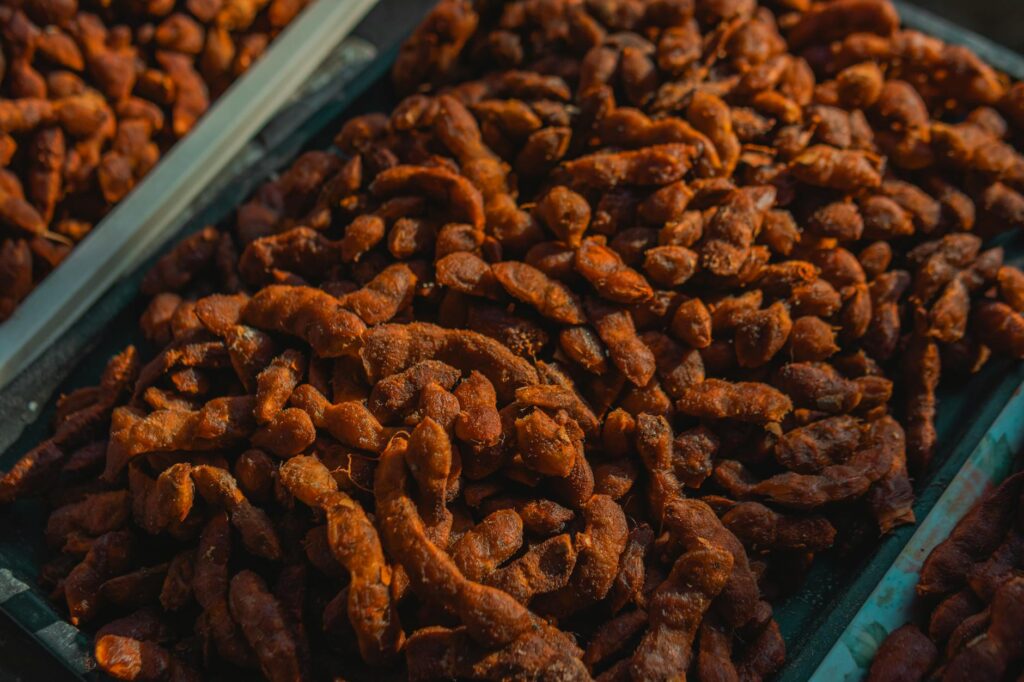
Tamarind Myths and Misconceptions
Introduction
Tamarind, a unique and versatile ingredient, has been a staple in cuisines around the world for centuries. Known for its tangy flavor and distinctive aroma, tamarind has captured the attention of chefs, food enthusiasts, and health-conscious individuals alike. However, despite its popularity, several myths and misconceptions surround this enigmatic fruit. In this article, we will explore the truths about tamarind, delving into its history, production, uses, and common misunderstandings to provide a comprehensive understanding of this remarkable ingredient.
What Is Tamarind?
Tamarind (Tamarindus indica) is a tropical tree native to Africa but widely cultivated in various regions, including Asia, South America, and the Caribbean. The fruit of the tamarind tree is a pod filled with a sticky, sweet-sour pulp that is used in a variety of culinary applications. The flavor profile of tamarind is complex—sweet, tangy, and slightly acidic—making it an essential ingredient in many traditional dishes, sauces, and beverages.
History and Origins
The history of tamarind dates back thousands of years. Originating in Africa, it was likely carried to the Indian subcontinent by traders. Tamarind has been referenced in ancient texts, including those from India, where it has been used in cooking and medicine for centuries. The fruit’s popularity spread along trade routes, leading to its eventual cultivation in Southeast Asia and the Americas.
In India, tamarind holds significant cultural importance, featuring prominently in regional cuisines and traditional medicine. Its use has been documented in Ayurvedic texts, showcasing its valued role in health and wellness practices. Today, tamarind continues to be integral to many culinary traditions, including Indian, Thai, Mexican, and Middle Eastern cuisines.
Production and Processing
The production of tamarind involves several key steps: harvesting, processing, and packaging. Tamarind trees typically bear fruit annually, with the pods maturing in the dry season. Harvesting is done by hand, as the ripe pods need to be carefully picked to prevent damage.
Once harvested, the pods are processed to extract the pulp. This involves removing the outer shell and seeds, leaving behind the sticky pulp. The pulp can then be used fresh or dried for preservation. Dried tamarind is often reconstituted with water before use. The quality of tamarind can vary based on factors such as the region of cultivation, harvesting methods, and processing techniques.
Quality and Grading
Quality grading of tamarind is essential to ensure the best flavor and usability in culinary applications. Factors that affect quality include color, aroma, moisture content, and the presence of impurities. High-quality tamarind should have a rich, dark brown color, a strong, aromatic scent, and a moist yet not overly sticky texture.
In commercial markets, tamarind is often classified based on its form: tamarind paste, blocks, or concentrate. Each form can vary in quality and concentration of flavor. When purchasing tamarind, consumers should look for reputable brands that provide clear labeling regarding the product’s origin and quality.
Buying Considerations
When buying tamarind, there are several important considerations to keep in mind:
1. Form: Tamarind is available in various forms, including fresh pods, dried pulp, paste, and concentrate. Choose based on your culinary needs.
2. Origin: The flavor profile can vary significantly based on the region where the tamarind is grown. For example, Indian tamarind is often sweeter, while Southeast Asian varieties can be more tangy.
3. Packaging: Look for products that are well-sealed to ensure freshness. Airtight packaging is crucial for preserving the ingredient’s flavor and shelf life.
4. Quality Indicators: Check for signs of high quality, such as a rich color and absence of impurities. Organic options may also be available and are worth considering.
5. Freshness: If purchasing fresh pods, choose those that are plump and free from blemishes. The pods should also be firm to the touch.
Uses and Applications
Tamarind is an incredibly versatile ingredient, used in a wide range of culinary applications:
- Sauces and Condiments: Tamarind is a key ingredient in many sauces, such as Worcestershire sauce and various chutneys. Its unique flavor enhances the taste of marinades and dressings.
- Soups and Stews: In Asian cuisines, tamarind is often added to soups and stews, providing depth and complexity to the dish.
- Beverages: Tamarind is used in various drinks, including tamarind juice and cocktails, contributing a refreshing tang.
- Sweets and Desserts: In some cultures, tamarind is used in traditional sweets, combining its tangy flavor with sugar to create unique treats.
- Medicinal Uses: While this article does not delve into medical advice, it’s worth noting that tamarind has been traditionally used in various cultures for its digestive and health benefits.
- Fresh Pods: Fresh tamarind pods should be stored in a cool, dry place and can last for several weeks. Refrigeration can extend their shelf life.
- Dried Tamarind: Once opened, dried tamarind should be kept in an airtight container in a cool, dark place. It can remain usable for several months.
- Tamarind Paste and Concentrate: These products should be stored in the refrigerator after opening and used within a few weeks for optimal flavor.
Storage and Shelf Life
Proper storage of tamarind is crucial for maintaining its quality. Here are some guidelines:
Common Misconceptions
Misunderstandings about tamarind can lead to confusion among consumers and culinary enthusiasts. Here are some common myths debunked:
###