
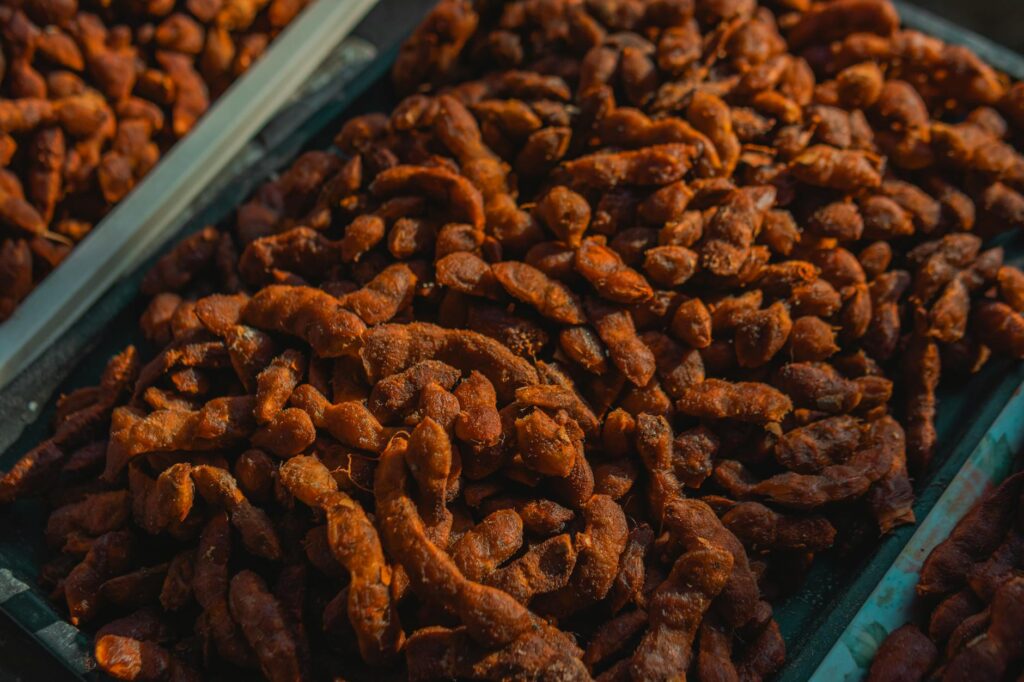
Tamarind: Origins and Evolution
Introduction
Tamarind, with its unique sweet and tangy flavor, has captured the hearts of chefs and food enthusiasts around the world. This versatile ingredient, often used in various culinary traditions, boasts a rich history that dates back thousands of years. From its origins in Africa to its widespread use in Asian and Latin American cuisines, tamarind is more than just a food ingredient; it is a cultural artifact that has evolved through time. This article delves into the origins, production, uses, and common misconceptions surrounding tamarind, providing a comprehensive understanding of this remarkable ingredient.
What Is Tamarind?
Tamarind (Tamarindus indica) is a tropical fruit-bearing tree native to Africa. The fruit is a brown pod that contains a sticky pulp surrounded by seeds. This pulp is the edible part of the fruit, celebrated for its distinctive sweet-sour flavor, which can range from mildly tart to intensely sweet depending on the ripeness of the fruit. Tamarind is used in various forms, including paste, concentrate, and dried fruit, making it a staple in numerous culinary applications.
History and Origins
Tamarind’s history can be traced back over 4,000 years. It is believed to have originated in the African savanna, where it was used by indigenous populations for both culinary and medicinal purposes. Historical documents suggest that tamarind was known in ancient Egypt and was even referenced in the writings of Dioscorides, a Greek physician, in the 1st century AD.
As trade routes expanded, tamarind made its way into the Indian subcontinent, where it became an integral part of local cuisine. By the 7th century, it was cultivated extensively in India, and its use spread to Southeast Asia and beyond. It was introduced to the Americas by Spanish explorers in the 16th century, where it adapted to various climates and became a beloved ingredient in Latin American cooking.
Production and Processing
Tamarind trees thrive in tropical and subtropical climates, requiring well-drained soil and full sunlight. The trees can grow up to 80 feet tall and bear fruit in pod-like structures, which take about six months to ripen. Harvesting occurs when the pods turn a brownish color, indicating that they are ripe enough for processing.
The processing of tamarind typically involves the following steps:
1. Harvesting: Ripe pods are collected from the tree, usually by hand. Care is taken to avoid damaging the tree or the pods.
2. Cleaning: The harvested pods are cleaned to remove dirt and debris. This may involve rinsing them in water.
3. Pulp Extraction: The outer shell of the pods is removed to reveal the pulp. This can be done manually or using machinery.
4. Drying: The extracted pulp is often dried to preserve its flavor and extend its shelf life. This can be achieved through sun-drying or using dehydrators.
5. Packaging: Once dried, the pulp is packaged in various forms, including blocks, paste, or powder, for distribution.
The quality of tamarind products can vary significantly depending on the processing methods used, including the time of harvest and the conditions during drying and storage.
Quality and Grading
Tamarind quality is primarily determined by its flavor, aroma, color, and texture. The grading of tamarind can be categorized as follows:
- Grade A: This grade includes the highest quality tamarind, characterized by a rich, dark brown color, a strong aromatic scent, and a sweet-tangy flavor profile. The texture is smooth, and there are minimal impurities.
- Grade B: This grade may have a slightly lighter color and a milder flavor. It is still usable but may contain more impurities or imperfections than Grade A tamarind.
- Grade C: This lower grade features a pale color, a less pronounced flavor, and a higher level of impurities. It is often used in lower-end products or for industrial applications.
When purchasing tamarind, it is essential to look for reputable suppliers who provide high-quality products that meet these grading standards.
Buying Considerations
When buying tamarind, consider the following:
1. Form: Tamarind is available in various forms, including whole pods, pulp, paste, and concentrate. Choose the form that best suits your culinary needs.
2. Quality: Look for tamarind that is dark brown, free from mold, and has a pleasant aroma. Avoid products with excessive impurities or an off-putting smell.
3. Packaging: Ensure that the packaging is intact and has not been exposed to moisture, as this could lead to spoilage.
4. Source: Choose tamarind sourced from reputable regions known for quality production, such as India or Mexico.
5. Organic vs. Conventional: If you prefer organic products, verify that the tamarind is certified organic and free from synthetic pesticides and fertilizers.
6. Expiration Date: Always check the expiration date to ensure freshness.
Uses and Applications
Tamarind is an incredibly versatile ingredient with a wide range of applications across various cuisines:
1. Culinary Uses: Tamarind is a key ingredient in numerous dishes, including sauces, chutneys, marinades, and beverages. In Indian cuisine, it is often used in curries and lentil dishes, while in Latin American cooking, it appears in drinks like agua de tamarindo.
2. Flavoring Agent: Its unique sweet-sour flavor makes tamarind an ideal addition to enhance the taste of savory dishes, providing a depth of flavor that balances spices.
3. Preservation: Due to its acidity, tamarind can act as a natural preservative, extending the shelf life of certain products.
4.