
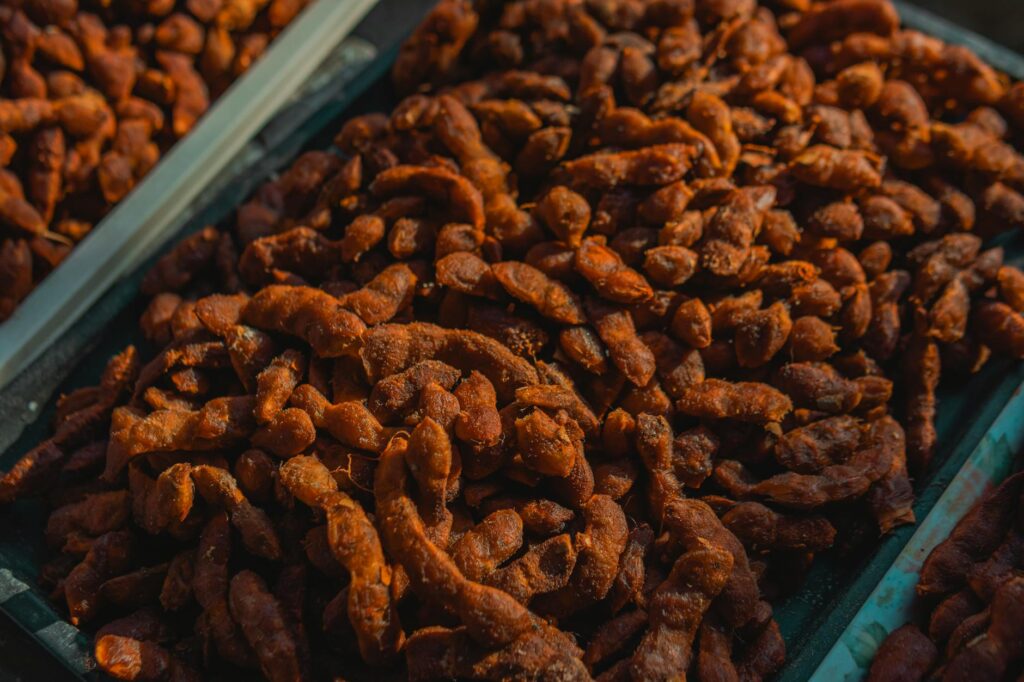
Tamarind Production by Country
Introduction
Tamarind, a tropical fruit with a distinctive sweet and tangy flavor, is cherished globally for its culinary and industrial applications. Known scientifically as Tamarindus indica, this leguminous tree produces pods filled with a sticky pulp that has been utilized for centuries in various cuisines. The cultivation and production of tamarind span several countries, each contributing unique regional characteristics to the fruit. This comprehensive exploration will delve into the regions where tamarind is produced, examining its origins, processing methods, and global significance.
What Is Regions?
In the context of tamarind production, “regions” refers to the geographical areas where tamarind is cultivated and the specific practices and conditions that influence its growth and harvesting. The primary tamarind-producing countries encompass a diverse range of climates and cultures, each impacting the flavor profile, quality, and applications of the tamarind fruit. Understanding these regions provides insight into the agricultural practices and economic importance of tamarind globally.
History and Origins
Tamarind is believed to have originated in East Africa, particularly in the region that includes modern-day Sudan, where it has been cultivated for thousands of years. Historical texts suggest that tamarind spread to the Indian subcontinent around 400 CE, where it became integral to various culinary traditions. It was subsequently introduced to the Americas by Spanish and Portuguese explorers in the 16th century, where it adapted well to the tropical climates.
Over time, tamarind has been embraced in diverse cultures, from Indian curries to Mexican candies. Its historical significance is not limited to culinary uses; tamarind has also played a role in traditional medicine and cultural rituals across different societies.
Production and Processing
Major Producing Countries
1. India: India is the largest producer of tamarind, accounting for approximately 70% of global production. The country’s diverse climate, ranging from tropical to subtropical, allows for extensive cultivation. Major tamarind-growing states include Tamil Nadu, Andhra Pradesh, and Karnataka. The processing methods in India often involve drying the pulp and packaging it for both domestic consumption and export.
2. Mexico: Another significant player in tamarind production, Mexico is known for its high-quality fruit. The country’s arid regions provide ideal conditions for tamarind trees, particularly in states like Veracruz and Puebla. Mexican tamarind is commonly used in beverages and candies, showcasing its versatility.
3. Thailand: Thailand has gained recognition for its premium tamarind, often used in traditional dishes and sauces. The country’s production is concentrated in the central region, where the tropical climate fosters healthy growth. Thai tamarind is frequently processed into a paste or pulp, which is integral to numerous recipes.
4. Egypt: In recent years, Egypt has emerged as a growing producer of tamarind. The country’s warm climate and fertile soils are conducive to cultivation. Egyptian tamarind is often exported to European markets, where it is appreciated for its distinct flavor.
5. Other Regions: Other notable producers include Indonesia, Bangladesh, and the Philippines, each contributing to the global supply. These countries often focus on local consumption, but some export their products to meet the growing international demand.
Processing Methods
The processing of tamarind is crucial for maintaining its quality and extending its shelf life. The steps typically include:
- Harvesting: Tamarind pods are harvested when they turn brown and are slightly dry. Care is taken to avoid damaging the tree.
- De-shelling: Once harvested, the pods are de-shelled to obtain the pulp.
- Drying: The pulp is often dried to create tamarind blocks or paste, enhancing its flavor and preserving it for future use.
- Packaging: The final products are packaged in airtight containers to prevent moisture absorption.
- Quality: Look for tamarind that is dark brown and pliable, indicating freshness. Avoid products with a dull color or excessive hardening.
- Source: Knowing the country of origin can provide insights into the flavor profile and quality of the product. High-quality tamarind is often marketed based on its geographical source.
- Form: Tamarind is available in various forms, including whole pods, pulp, and paste. Choose the form that best suits your needs.
- Packaging: Ensure the packaging is intact and free from moisture, as tamarind is highly susceptible to mold and spoilage.
- Flavoring Agent: Tamarind is widely used as a souring agent in Indian, Thai, and Mexican cuisines. It enhances the flavor of curries, sauces, and soups.
- Confectionery: In many cultures, tamarind is transformed into candies, often combined with sugar and spices to create a unique sweet-and-sour treat.
- Beverages: Tamarind juice is a popular drink in various countries, appreciated for its refreshing taste and natural sweetness.
- Food Industry: Tamarind is used as a natural preservative and flavor enhancer in processed foods.
- Cosmetics: The fruit’s astringent properties make it useful in cosmetic formulations, particularly for skin and hair care products.
- Whole Pods: Store whole tamarind pods in a cool, dry place. They can last for several months under optimal conditions.
- Tamarind Paste or Pulp: Once opened, tamarind paste should be refrigerated and used within a few weeks. Unopened packages can last for up to a year in a cool, dry environment.
- Freezing: Tamarind pulp can be frozen for long-term storage, extending its shelf life significantly.
- Tamarind Is a Spice: Many people confuse tamarind with spices, but it is a fruit that serves as a souring agent.
- Only Used in Asian Cuisines: While tamarind is prominent in Asian cuisine, it is also widely used in Latin American and African culinary traditions.
- All Tamarind Is the Same: The flavor and quality of tamarind can vary significantly based on its region of origin and production methods.
Quality and Grading
The quality of tamarind is determined by several factors, including color, texture, and taste. High-quality tamarind typically has a rich brown color, a smooth texture, and a balanced sweet and sour flavor. Grading systems may vary by country but generally categorize tamarind into different grades based on these attributes.
In India, for instance, tamarind is often divided into grades such as “premium,” “standard,” and “substandard.” Premium tamarind is characterized by its high pulp content and minimal seeds, while substandard varieties may have a higher seed-to-pulp ratio and lower flavor intensity.
Buying Considerations
When purchasing tamarind, either in bulk or as a packaged product, several considerations should be taken into account:
Uses and Applications
Tamarind’s versatility extends beyond its culinary uses. Here are some key applications:
Culinary Uses
Industrial Uses
Storage and Shelf Life
Proper storage is essential for maintaining the quality of tamarind. Here are some guidelines:
Common Misconceptions
Despite its popularity, several misconceptions about tamarind persist:
Frequently Asked Questions
1. What does tamarind taste like?
Tamarind has a unique flavor profile that combines sweet and sour notes. Its taste can be described as tangy with a hint of sweetness, making it a versatile ingredient in various dishes.
2. Can tamarind be eaten raw?
Yes, tamarind can be eaten raw, although many people prefer to use it in cooked dishes or processed forms due to its tartness.
3. How is tamarind used in traditional medicine?
While tamarind has been used in traditional medicine in various cultures, it is essential to consult with a healthcare professional for any health-related inquiries.
4. Is tamarind gluten-free?
Yes, tamarind is naturally gluten-free, making it suitable for individuals with gluten sensitivities or celiac disease.
5. Can tamarind be grown in non-tropical climates?
Tamarind thrives in tropical and subtropical climates and may not grow effectively in regions with cold winters. However, it can be cultivated in greenhouses in temperate areas.
6. What are the nutritional benefits of tamarind?
Tamarind is rich in vitamins and minerals, including vitamin C, potassium, and magnesium. It also contains dietary fiber, which can aid digestion. However, it’s best to focus on its culinary uses rather than nutritional content.
Conclusion
Tamarind is a remarkable ingredient with a rich history and diverse applications across various cultures. Understanding its production by country allows for a deeper appreciation of this unique fruit and its contributions to global cuisine. From its origins in Africa to its widespread cultivation in countries like India, Mexico, and Thailand, tamarind continues to play a significant role in both culinary and industrial arenas. Whether used as a souring agent in savory dishes or enjoyed in sweet confections, tamarind remains a beloved ingredient that transcends borders and culinary traditions.