
Taro About Guide Part 6
Introduction
Taro, a starchy root vegetable, has captivated culinary enthusiasts and health-conscious consumers alike across different cultures. This versatile ingredient is not only a staple in many Asian cuisines but also possesses unique characteristics that set it apart from other tubers. In this guide, we delve into the various facets of taro, exploring its history, production, quality considerations, and much more.
What Is Taro?
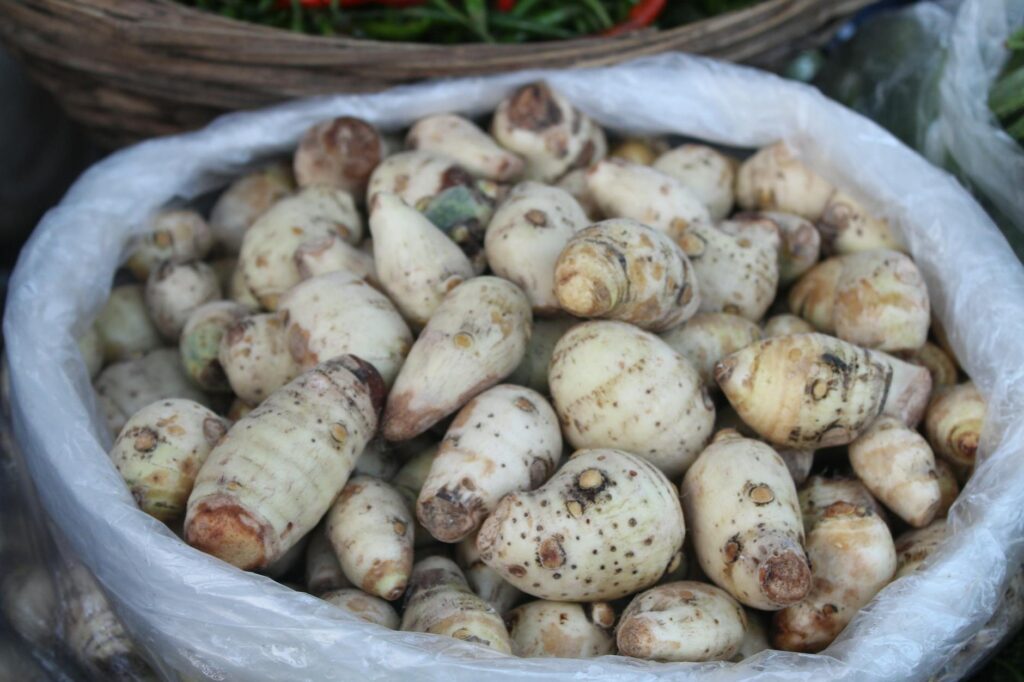
Taro (Colocasia esculenta) is a perennial plant that belongs to the Araceae family. Known for its large, heart-shaped leaves and starchy corm, taro is cultivated primarily for its edible roots. Its flavor profile is mild and nutty, making it an adaptable ingredient in both savory and sweet dishes. Taro is rich in carbohydrates, fiber, vitamins, and minerals, contributing to its status as a nutritious food source.
History and Origins
The origins of taro are deeply rooted in ancient agricultural practices. It is believed to have been first cultivated in Southeast Asia and the Indian subcontinent over 5,000 years ago. Historical evidence suggests that taro spread to various parts of the world through trade and migration, eventually being introduced to the Pacific Islands, Africa, and the Americas.
In many cultures, taro holds significant cultural and religious importance. For instance, in Hawaiian culture, taro, known as “kalo,” is considered sacred and is intertwined with various myths and traditions. Similarly, in Asian cuisines, taro is often a symbol of prosperity and fertility.
Production and Processing
Taro thrives in tropical and subtropical climates, requiring ample moisture and well-drained soil for optimal growth. The cultivation process typically involves planting corms or tubers in prepared beds, followed by regular watering and weed control. Taro generally takes about 7 to 12 months to reach maturity, depending on the variety and growing conditions.
After harvesting, taro undergoes several processing steps. The corms are cleaned thoroughly to remove soil and impurities. Depending on the intended use, they may be peeled, cooked, or packaged for sale. The processing methods can vary widely; for example, taro can be transformed into flour, chips, or even used as a thickening agent in various dishes.
Quality and Grading
Quality considerations for taro focus on its freshness, texture, and absence of blemishes. High-quality taro should be firm, free from soft spots, and exhibit a smooth, unblemished surface. The size of the corms can range significantly, but they should ideally weigh between 0.5 to 2 pounds.
Grading systems can vary by region, but generally, taro is categorized into grades based on appearance and size. Grade A taro is typically larger and visually appealing, while lower grades may exhibit minor imperfections. Consumers are encouraged to select taro that meets their culinary needs, paying close attention to the freshness and quality of the product.
Buying Considerations
When purchasing taro, several factors should be taken into account to ensure optimal quality. Here are some key considerations:
1. Freshness: Look for taro that feels firm to the touch. Avoid any corms that are soft or have signs of decay.
2. Skin Condition: Choose taro with smooth, unblemished skin. Minor scarring is acceptable, but significant blemishes may indicate poor quality.
3. Variety: There are several varieties of taro, including Hawaiian taro (often purple-fleshed) and Chinese taro (with white or pale yellow flesh). The choice of variety may affect flavor and texture, depending on the intended dish.
4. Seasonality: Taro is available year-round, but peak seasons may vary by region. Purchasing during peak months can enhance flavor and freshness.
5. Source: Whenever possible, buy from reputable suppliers or local farmers to ensure traceability and quality.
Uses and Applications
Taro is a versatile ingredient that can be used in a multitude of culinary applications. Here are some common ways to incorporate taro into dishes:
- Savory Dishes: Taro can be boiled, steamed, or roasted and served as a side dish or incorporated into soups and stews. Its starchy texture makes it an excellent thickener.
- Desserts: In various Asian cuisines, taro is often used in desserts, such as taro pudding, bubble tea, and ice cream. Its natural sweetness and creamy texture add depth to these dishes.
- Culinary Flour: Taro flour is gaining popularity as a gluten-free alternative to traditional flours in baking and cooking. It can be used in pancakes, dumplings, and more.
- Fried Snacks: Taro chips and fritters are popular snacks in many cultures, offering a crunchy and flavorful treat.
- Cool and Dry: Store fresh taro in a cool, dry place away from sunlight. A pantry or cellar works well. Avoid refrigeration, as cold temperatures can alter the texture.
- Avoid Moisture: Excess moisture can lead to mold and decay. Ensure that taro is kept dry and well-ventilated.
- Shelf Life: Fresh taro can last up to two weeks when stored properly. Once cooked, taro should be refrigerated and consumed within 3 to 5 days.
Storage and Shelf Life
Proper storage is crucial to maintaining the quality of taro. Here are some guidelines to ensure longevity:
Common Misconceptions
Despite its popularity, several misconceptions surround taro that can lead to confusion:
1. Taro vs. Yam: Many people mistakenly confuse taro with yams. While they are both tubers, they belong to different botanical families and have distinct flavors and textures.
2. Edibility: Some believe that all