
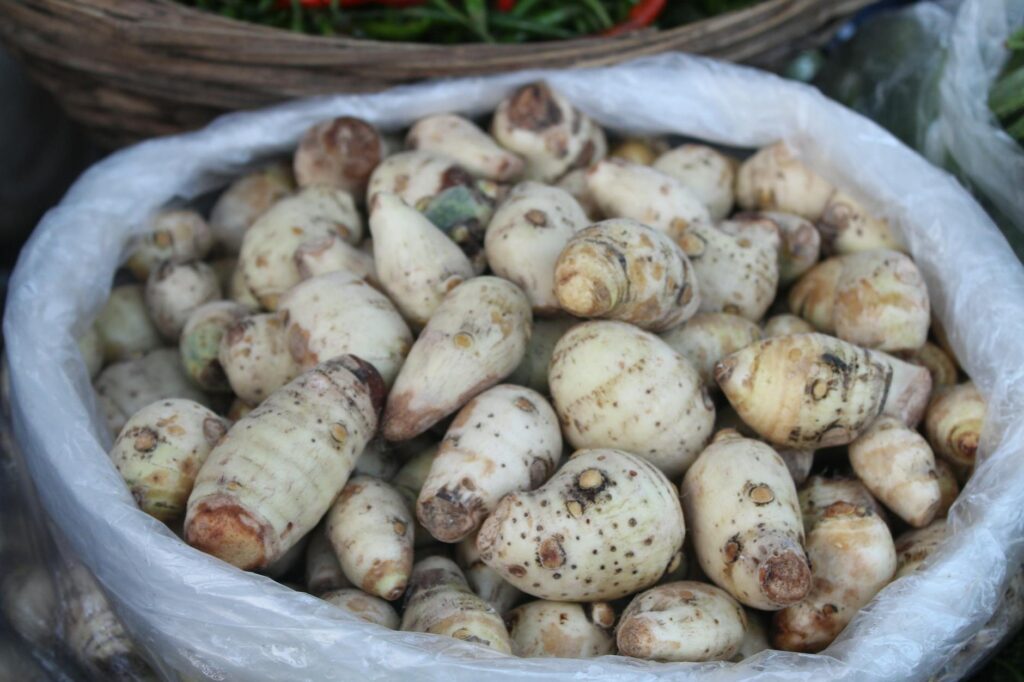
Taro Around the World
Introduction
Taro (Colocasia esculenta) is an ancient root vegetable cultivated for thousands of years, revered not only for its unique flavor and texture but also for its nutritional value. As a staple food in many tropical and subtropical regions, taro has become integral to various cuisines worldwide. This article delves into the regions where taro thrives, exploring its historical significance, production methods, quality standards, and culinary applications.
What Is Regions?
In the context of food ingredients, “regions” refers to the geographical areas where specific crops are cultivated, influenced by climate, soil type, cultural practices, and local traditions. Each region contributes distinct characteristics to its agricultural products, which can be reflected in taste, texture, and nutritional content. Understanding the regions where taro is grown helps appreciate its diversity and significance in global cuisine.
History and Origins
Taro is believed to have originated in Southeast Asia and the Indian subcontinent, with archaeological evidence suggesting its cultivation dates back over 5,000 years. The plant’s adaptability facilitated its spread across the globe, leading to its introduction in various regions, including the Pacific Islands, Africa, and the Americas.
In many cultures, taro holds considerable cultural and spiritual significance. For instance, in Hawaiian culture, taro (known as kalo) is considered an ancestor of the Hawaiian people, deeply embedded in their mythology and traditions. This reverence extends to various cultures, where taro is often associated with fertility, sustenance, and communal gatherings.
Production and Processing
Global Production
Taro thrives in warm, humid climates, predominantly found in Asia, the Pacific Islands, and parts of Africa. According to the Food and Agriculture Organization (FAO), the leading producers of taro include:
- China: The largest producer, where it is a staple ingredient in various dishes.
- Nigeria: A key producer in Africa, where taro is often used to prepare traditional meals.
- India: Valued for its culinary versatility, particularly in local cuisines.
- Tropical Pacific Islands: Including Hawaii, where it plays a vital role in cultural identity.
- Grade A: High-quality corms that are firm, unblemished, and have a uniform size.
- Grade B: Acceptable quality with minor imperfections but still suitable for consumption.
- Grade C: Lower quality, often with visible defects, typically used for processed products.
- Savory Dishes: In Asian cuisines, taro is often used in soups, stews, and stir-fries.
- Sweet Preparations: In the Pacific Islands, taro is frequently used in desserts, such as puddings and cakes.
- Flour Production: Dried and ground taro corms are used to make flour, which can serve as a gluten-free alternative in baking.
- Traditional Beverages: In some cultures, taro is blended into drinks, contributing a unique flavor and texture.
- Cool, Dry Place: Store unwashed taro in a cool, dry area, away from direct sunlight. Ideal storage temperatures range from 10°C to 15°C (50°F to 59°F).
- Avoid Refrigeration: Refrigerating taro can lead to spoilage, as the cold can cause the corms to rot.
- Moisture Control: Ensure the storage area has good ventilation to prevent moisture accumulation.
Cultivation Practices
Taro is typically grown in flooded fields, known as taro paddies, to provide the necessary moisture for optimal growth. The plant prefers well-drained, fertile soils rich in organic matter. Farmers often propagate taro using corms (the underground stem) or offsets, allowing for quick establishment and growth.
Processing
Once harvested, taro requires careful handling to prevent spoilage. The corms are usually washed, sorted, and packaged for distribution. In some regions, taro undergoes further processing, such as peeling, slicing, or cooking, to enhance its shelf life and usability in various dishes.
Quality and Grading
Quality and grading standards for taro are essential to ensure consumers receive the best product. Factors influencing quality include size, firmness, color, and the absence of blemishes or rot.
Quality Standards
Buying Considerations
When purchasing taro, several considerations can help ensure a good choice:
1. Appearance: Look for firm, unblemished corms with minimal discoloration.
2. Size: Choose corms that are consistent in size for even cooking and flavor.
3. Freshness: Select taro that feels heavy for its size, indicating moisture content.
4. Source: Knowing the origin can provide insights into the quality and freshness of the product.
Uses and Applications
Taro is a versatile ingredient with a myriad of culinary applications across different cultures:
Storage and Shelf Life
Storage Recommendations
To maximize the shelf life of taro, proper storage is crucial:
Shelf Life
When stored correctly, fresh taro can last for several weeks. However, once peeled or cooked, it should be consumed within a few days to retain its flavor and texture.
Common Misconceptions
Despite its popularity, several misconceptions about taro persist:
1. Taro and Yam Are the Same: Taro and yam are distinct plants; yams belong to the Dioscorea genus, while taro is in the Colocasia genus.
2. Taro Is Toxic: Raw taro contains calcium oxalate crystals, which can cause irritation if consumed uncooked. Cooking eliminates this concern.
3. All Taro Varieties Are Purple: While some taro varieties have a purple hue, others can be white, yellow, or even green, depending on the cultivar and growing conditions.