
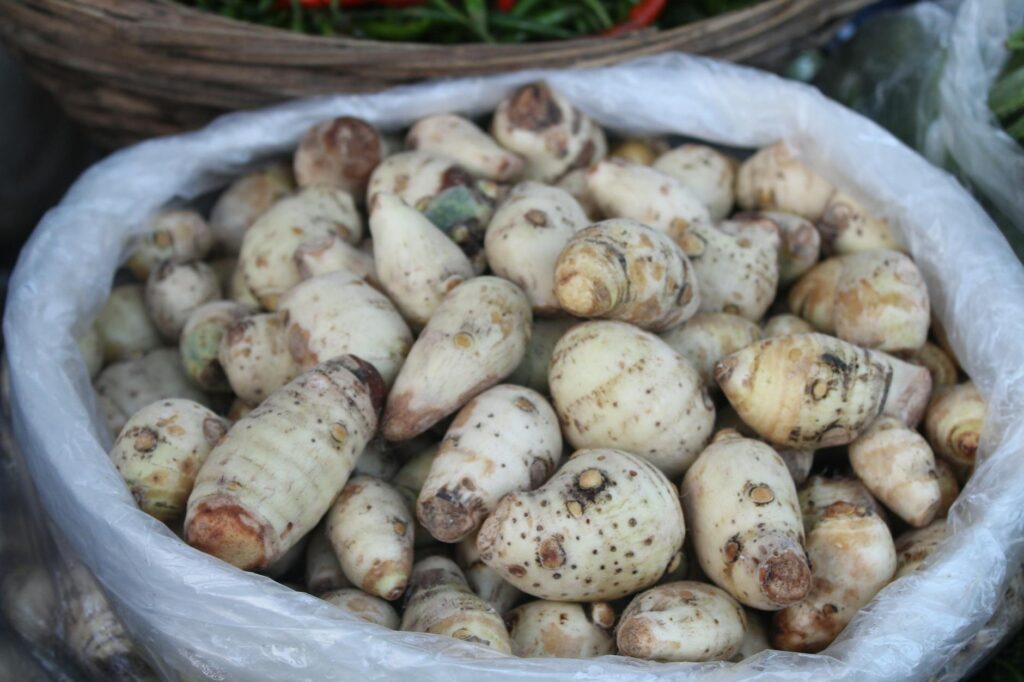
Taro Buying Guide Part 6
Introduction
Taro (Colocasia esculenta) is a starchy root vegetable that holds a significant place in culinary traditions around the globe, particularly in Asia, the Pacific Islands, and parts of Africa. Known for its distinctive flavor and creamy texture, taro is prized not only as a food source but also for its cultural significance. This guide aims to provide comprehensive insights into the buying process of taro, guiding consumers through its history, production, quality indicators, and storage techniques to ensure a rewarding culinary experience.
What Is Buying?
Buying, in the context of food ingredients, refers to the process of selecting and purchasing products that meet specific criteria. This includes understanding the quality, freshness, and suitability of the ingredient for intended culinary uses. A well-informed buying process can enhance the overall cooking experience and ensure that the final dish meets the desired standards of flavor, texture, and nutritional value.
History and Origins
Taro has a rich history that dates back thousands of years. It is believed to have originated in Southeast Asia or the Indian subcontinent, where it has been cultivated for over 5,000 years. The plant was eventually spread to various parts of the world, including Polynesia, where it became a staple food source. In many cultures, taro is more than just a food ingredient; it represents cultural identity and is often featured in traditional ceremonies and festivals.
The plant’s adaptability to different climates and soils has allowed it to thrive in diverse environments. Today, it is grown in tropical and subtropical regions across the globe, with significant production in countries like China, India, and Nigeria. Understanding the historical context of taro can provide insights into its cultural significance and influence on culinary practices.
Production and Processing
Taro is primarily cultivated in wetland conditions, which mimic its native tropical habitat. The plant requires a warm climate, rich soil, and ample water for optimal growth. Commonly, it is harvested approximately 6 to 12 months after planting, once the corms have reached a suitable size.
Once harvested, taro undergoes a series of processing steps before reaching consumers. This includes washing to remove soil, peeling the tough outer skin, and sometimes slicing or cubing the corms for easier cooking. While fresh taro is preferred for its superior taste and texture, it can also be found in processed forms, such as frozen, dried, or as flour.
Quality and Grading
When buying taro, it is essential to assess its quality. Fresh taro should feel firm and heavy for its size, with no signs of softness or excessive blemishes. The skin should be smooth and free from dark spots, which could indicate decay or rot.
Grading systems may vary by region, but generally, taro is classified into categories based on size, weight, and overall appearance. Higher-grade taro will typically have a more uniform size and better visual appeal, which can enhance the presentation of any dish. Checking for these quality indicators can ensure that the purchased taro will deliver the best flavor and texture in culinary applications.
Buying Considerations
When purchasing taro, consider the following factors:
1. Source: Opt for reputable suppliers or farmers’ markets known for quality produce. Local sources may offer fresher options.
2. Variety: Taro comes in several varieties, each with distinct characteristics. The most common types include ‘Bun long’ (often used in Asian cuisines) and ‘Eddoe’ (smaller and known for its smoother texture). Understanding the variety can help in selecting the right one for specific culinary uses.
3. Seasonality: Taro is typically harvested in specific seasons depending on the region. Buying in-season can yield fresher and more flavorful corms.
4. Size: Larger corms tend to have a higher starch content, making them ideal for dishes requiring a creamy texture. Smaller corms might be preferable for salads or smaller servings.
5. Organic vs. Conventional: Organic taro is grown without synthetic fertilizers or pesticides, often resulting in a more robust flavor. While it may be pricier, the environmental and health benefits can justify the cost.
6. Storage Conditions: When buying taro, consider how you will store it. Proper storage is crucial to maintaining quality and extending shelf life.
Uses and Applications
Taro is a versatile ingredient used in various culinary applications. Its starchy, creamy texture makes it suitable for both savory and sweet dishes. Common uses include:
- Soups and Stews: Taro adds body and creaminess to soups and stews, complementing other ingredients.
- Puddings and Desserts: In many cultures, taro is used to create rich puddings and desserts, often paired with coconut milk.
- Fried or Roasted: When sliced and fried, taro can be transformed into chips or fritters, providing a crunchy snack option.
- Flours and Starches: Taro flour is gaining popularity in gluten-free baking and can be used to thicken sauces or soups.
The adaptability of taro allows chefs to experiment with various cooking techniques, making it a valuable addition to diverse cuisines.
Storage and Shelf Life
Proper storage is essential for maintaining the quality of taro. Fresh corms should be kept in a cool, dry place, away from direct sunlight. Ideally, they should be stored in a perforated plastic bag or a basket to allow for air circulation. Under these conditions, taro can last for several weeks.
Once cut or peeled, taro should be refrigerated in an airtight container and consumed within a few days to avoid spoilage. If cooked, leftover taro dishes should be refrigerated and consumed within three to four days. For long-term storage, taro can be frozen after cooking or blanching