
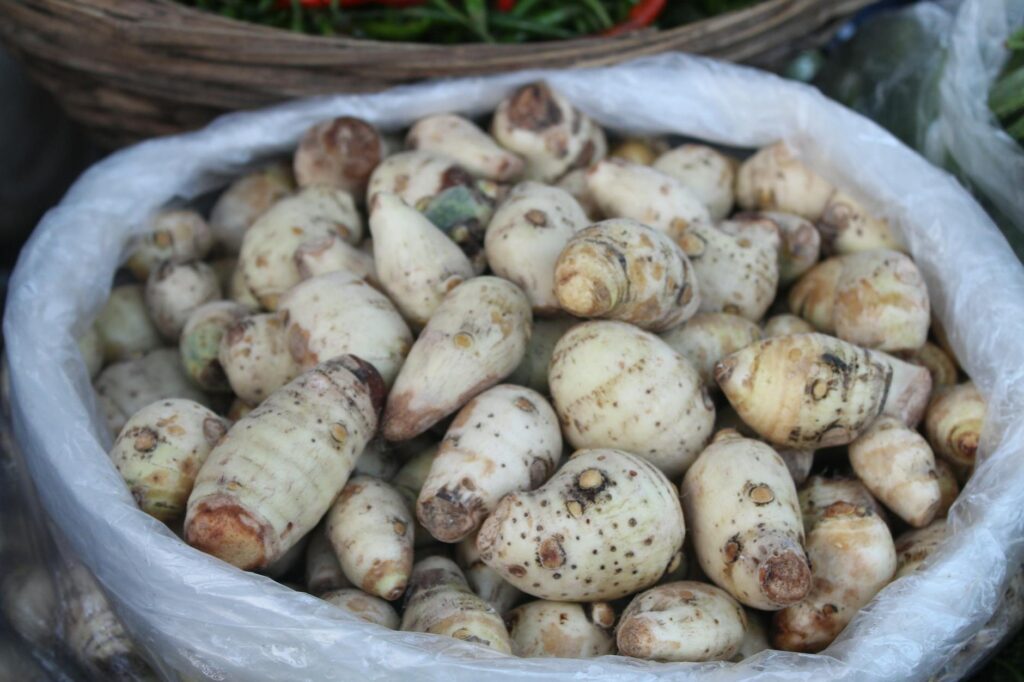
Taro Buying Guide Part 7
Introduction
Taro, a starchy tuber cherished in various cuisines around the globe, has seen a resurgence in popularity due to its versatility and unique flavor profile. As culinary enthusiasts and health-conscious consumers increasingly turn to this root vegetable, understanding how to buy quality taro becomes essential. This guide will delve deep into the various aspects of buying taro, ensuring that you make informed choices that enhance your culinary experiences.
What Is Buying?
Buying, in the context of food ingredients, refers to the process of selecting and purchasing products that meet specific standards of quality, freshness, and suitability for particular culinary applications. Understanding the nuances of buying taro involves knowing what to look for in terms of quality, grading, and the factors that influence market availability.
History and Origins
Taro (Colocasia esculenta) is one of the oldest cultivated plants in the world, believed to have originated in Southeast Asia and the Indian subcontinent. It has been a staple food source in many tropical and subtropical regions for thousands of years. Taro was introduced to the Pacific Islands and the Caribbean by ancient Polynesians and has since become a vital ingredient in various traditional dishes. Its rich history is intertwined with agricultural practices, cultural significance, and the evolution of global culinary traditions.
Production and Processing
Taro is grown in tropical and subtropical regions, thriving in moist, well-drained soils. Major producers include countries like China, India, Nigeria, and the Philippines. The cultivation process typically involves planting corms or tubers in waterlogged fields, allowing the plant to grow in a semi-aquatic environment.
After harvesting, taro undergoes processing to remove any dirt and impurities. It is then usually sold fresh, but can also be found in various forms such as frozen, dried, or as flour. The processing methods can affect the final product’s texture and flavor, making it crucial to consider when purchasing.
Quality and Grading
When it comes to buying taro, quality and grading play significant roles. Taro is generally assessed based on size, skin texture, and firmness. High-quality taro should have:
- Firmness: The corm should feel solid and heavy for its size. Any softness may indicate that the taro is overripe or has begun to spoil.
- Skin Texture: A smooth, unblemished skin is a sign of freshness. Look for corms with minimal scarring or discoloration.
- Size: While taro comes in various sizes, larger corms are often preferred for their higher starch content.
- Boiled or Mashed: Taro can be boiled and mashed, similar to potatoes, serving as a base for various dishes.
- Fried or Roasted: Sliced taro can be fried or roasted to create chips or side dishes.
- Soups and Stews: Its starchiness helps thicken soups and stews, adding a comforting texture.
- Desserts: In many Asian cultures, taro is used in desserts like taro pudding, bubble tea, and sweet soups.
- Fresh Taro: Store taro in a cool, dry place away from direct sunlight. It can last up to a week at room temperature or longer when stored in a cool, dark environment.
- Refrigeration: If you need to store taro for an extended period, you can refrigerate it, but this may alter its texture. Wrap it in a paper towel to absorb moisture and place it in a breathable bag.
- Cooked Taro: Once cooked, taro can be refrigerated in an airtight container for up to 3-5 days.
The USDA does not have a specific grading system for taro; however, different markets may have their own grading standards that can help consumers make informed decisions.
Buying Considerations
When purchasing taro, several factors should be taken into account to ensure you select the best quality:
1. Seasonality: Taro is generally available year-round, but its peak season varies by region. Knowing when it’s freshest can help you find the best quality.
2. Source: Opt for reputable vendors, whether at local farmers’ markets or grocery stores. If possible, buy from suppliers who specialize in Asian or tropical ingredients, as they may have better knowledge of taro quality.
3. Appearance: As mentioned earlier, inspect the corms for firmness and skin texture. Avoid any that show signs of rot, mold, or excessive blemishes.
4. Storage Conditions: Ask vendors how their taro has been stored. Proper storage conditions can significantly impact the quality of the product.
5. Organic vs. Conventional: If you are concerned about pesticide use, consider buying organic taro, which is often grown without synthetic chemicals.
6. Sustainability: Look for suppliers that adhere to sustainable farming practices, which can positively impact local ecosystems.
Uses and Applications
Taro is a versatile ingredient used in various culinary applications. Its starchy, slightly nutty flavor makes it suitable for both sweet and savory dishes. Some common uses include:
The adaptability of taro means it can fit seamlessly into different culinary traditions, making it a favorite among chefs and home cooks alike.
Storage and Shelf Life
Proper storage is crucial for maintaining the freshness and quality of taro. Here are some guidelines:
Freezing is also an option for both raw and cooked taro, but be aware that freezing may change its texture upon thawing.
Common Misconceptions
1. Taro and Yams: Many people confuse taro with yams. While they are both tubers, they belong to different plant families and have distinct flavors and textures.
2. Taro is Toxic: Raw taro contains calcium oxalate crystals, which can cause irritation if consumed. However, cooking