
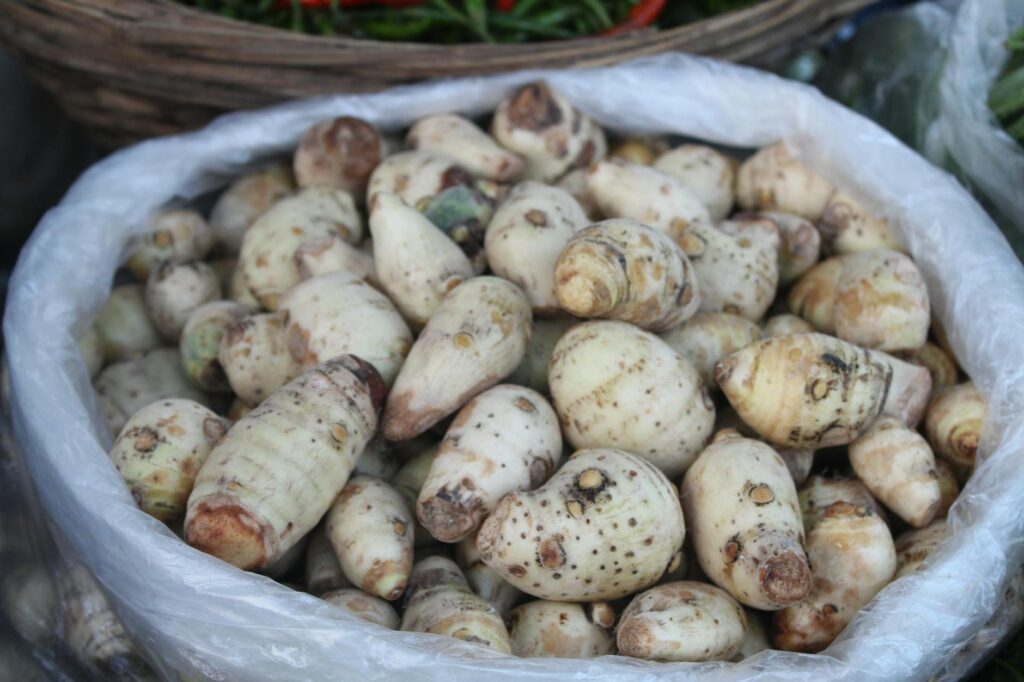
Taro Cultivation Explained
Introduction
Taro (Colocasia esculenta) is a versatile starchy root vegetable that has been a staple in various cultures across the globe, particularly in Asia, the Pacific Islands, and parts of Africa. Its unique flavor and nutritional benefits, combined with its adaptability to diverse growing conditions, make it a popular ingredient in many cuisines. This article delves into the intricacies of taro cultivation, exploring its history, growing conditions, production methods, and more.
What Is Growing?
Growing refers to the process of cultivating plants, which encompasses everything from the selection of seeds or planting materials to the harvest of the final product. For taro, this involves understanding the specific environmental needs, soil conditions, and care practices that will optimize its growth and yield. Taro is a tropical plant that thrives in warm, humid environments with well-drained, nutrient-rich soil.
The cultivation process typically begins with the selection of healthy taro corms or plantlets, followed by land preparation, planting, and ongoing maintenance, including irrigation, pest management, and harvesting.
History and Origins
Taro is believed to have originated in Southeast Asia and is one of the oldest cultivated crops in the world. Archaeological evidence suggests that taro was domesticated over 2,000 years ago, with its cultivation spreading to various parts of the globe, including the Pacific Islands, where it holds significant cultural importance.
In places like Hawaii, taro is not just a food source but also a symbol of cultural identity. The traditional Hawaiian dish poi, made from cooked taro, exemplifies its integral role in local cuisine. Today, taro is grown in many temperate and tropical regions worldwide, adapting to different agricultural practices and culinary uses.
Production and Processing
Cultivation Practices
Taro is typically cultivated in wetland conditions, although it can also grow in drier environments. The ideal temperature for taro cultivation ranges from 20°C to 35°C (68°F to 95°F).
Land Preparation
Before planting, the land must be prepared adequately. This includes clearing the area of weeds and debris, tilling the soil, and ensuring proper drainage. In wetland conditions, farmers create puddles or flooded fields to facilitate growth.
Planting
Taro can be propagated from corms, which are the swollen underground stems, or from tissue-cultured plantlets. Planting is usually done at the beginning of the rainy season to ensure sufficient moisture for germination. Corms are planted in rows at a depth of about 10 to 15 cm (4 to 6 inches) and spaced adequately to allow for growth.
Maintenance
Proper maintenance is crucial for optimal growth. This includes regular irrigation, especially during dry spells, and weed control, which can compete for nutrients. Farmers also monitor for pests and diseases, which can impact yield.
Harvesting
Taro is typically ready for harvest between 7 to 12 months after planting, depending on the variety and growing conditions. Harvesting involves careful extraction of the corms to prevent damage. Farmers often use spades or forks to dig them out of the soil.
Processing
After harvesting, taro corms must be washed and sorted. Depending on market demands, they may be stored for a limited time or processed into various products, such as taro flour or chips. Proper handling is essential to maintain quality and prevent spoilage.
Quality and Grading
Quality assessment in taro production involves evaluating size, color, texture, and the absence of defects or diseases. Higher-quality corms are generally larger, with a smooth skin and no signs of rot or damage.
In commercial markets, grading systems may vary by region. Typically, corms are graded into different categories based on their size and overall quality. This grading is crucial for pricing and marketability, with higher grades commanding premium prices.
Buying Considerations
When purchasing taro, potential buyers should consider several factors:
1. Freshness: Look for firm, unblemished corms. Soft spots or signs of decay indicate that the taro is past its prime.
2. Variety: Different varieties of taro exist, each with unique flavors, textures, and culinary uses. Familiarity with these can enhance cooking experiences.
3. Origin: Locally sourced taro may offer better freshness and flavor compared to imported varieties.
4. Storage Conditions: Ensure that taro has been stored properly to prevent spoilage. Ideal storage conditions involve a cool, dry place away from direct sunlight.
Uses and Applications
Taro is incredibly versatile and used in various culinary applications worldwide.
Culinary Uses
In Asian cuisines, taro is often boiled, mashed, or used in soups and stews. It can also be fried or roasted, delivering a unique texture and flavor. In the Pacific Islands, it’s a key ingredient in traditional dishes such as poi and laulau.
Non-Culinary Uses
Beyond culinary applications, taro leaves are often used in traditional medicine and herbal remedies in various cultures. They are also utilized in crafting materials and textiles, showcasing the plant’s versatility.
Storage and Shelf Life
Fresh taro corms can last for several weeks when stored in a cool, dry place. Proper ventilation is essential to prevent moisture buildup, which can lead to rot. Refrigerating taro is generally not recommended, as it can adversely affect texture and flavor.
Once cooked, taro should be refrigerated and consumed within a few days. When processed into flour or chips, the shelf life can extend significantly when stored in airtight containers in a cool, dark environment.
Common Misconceptions
Taro is often confused with other root vegetables, such as yam and sweet potato, leading to misconceptions about its characteristics and uses. While all these