
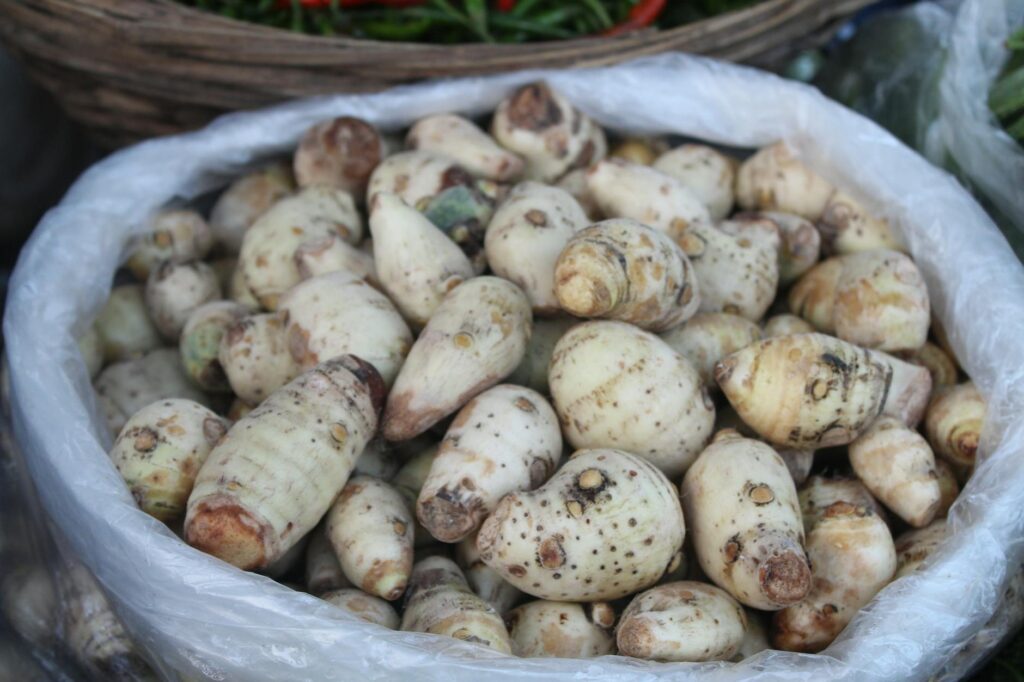
Taro Growing Guide Part 6
Introduction
Taro (Colocasia esculenta) is a root vegetable revered across numerous cultures for its culinary versatility and nutritional benefits. As the sixth installment in our comprehensive guide on taro, this article delves into the aspects of growing taro, tracing its historical roots, discussing production and processing methods, examining quality and grading standards, and offering insights into its uses and applications. This guide is designed for both novice gardeners and seasoned horticulturists aiming to cultivate this unique ingredient.
What Is Growing?
Growing refers to the biological processes through which plants develop from seeds or tubers into mature specimens capable of reproduction. In the context of taro, growing involves specialized agricultural practices that ensure optimal growth conditions, including soil preparation, planting techniques, water management, and pest control. These factors collectively contribute to the overall health of the plant and the quality of the harvested tubers.
History and Origins
Taro is believed to have originated in Southeast Asia or the Indian subcontinent, where it has been cultivated for thousands of years. Historical records suggest that taro was one of the earliest crops grown by humans, with evidence of its cultivation dating back over 28,000 years. It spread across the Pacific Islands, where it became a staple food, and eventually made its way to Africa and the Americas.
In many cultures, taro holds significant symbolic importance. For instance, it is often associated with fertility and prosperity in Polynesian traditions, while in parts of Asia, it is linked to ancestral worship. Today, taro is cultivated in diverse climates around the world, thriving in tropical and subtropical regions.
Production and Processing
Growing Conditions
Taro flourishes in warm, humid environments with ample rainfall. The optimal temperature for growth ranges between 20°C and 35°C (68°F to 95°F). It is essential to select a location with well-drained soil rich in organic matter. Taro prefers slightly acidic to neutral pH levels (around 5.5 to 7.0).
Planting Methods
Taro is typically propagated through corms, which are underground storage organs. When planting, select healthy corms weighing at least 100 grams (3.5 ounces) and ensure they have visible buds. Corms can be planted directly in the ground or in raised beds to improve drainage. The planting depth should be around 10 to 15 centimeters (4 to 6 inches).
Water Management
Taro requires consistent moisture for optimal growth. In regions with insufficient rainfall, irrigation systems or puddling techniques are often employed. The soil should not be waterlogged, as this can lead to rot and disease. Regular monitoring of soil moisture levels is crucial, especially during the early stages of growth.
Pest and Disease Control
Common pests affecting taro include aphids, leafhoppers, and root-knot nematodes. Integrated pest management (IPM) strategies, such as crop rotation and the introduction of natural predators, can help mitigate infestations. Diseases such as taro leaf blight and corm rot may also pose threats; thus, maintaining good air circulation and practicing crop hygiene are essential.
Harvesting
Taro is typically ready for harvesting between 7 to 12 months after planting, depending on the variety and growing conditions. Indicators of readiness include yellowing leaves and the plant wilting. Care should be taken when harvesting to avoid damaging the corms, which can significantly reduce their market value.
Quality and Grading
Quality assessment for taro involves evaluating several factors, including size, shape, firmness, and absence of blemishes. The grading system often categorizes taro into several classes:
- Grade A: High-quality corms that are firm, smooth, and free from defects.
- Grade B: Acceptable corms with minor blemishes but still suitable for culinary use.
- Grade C: Lower-quality corms that may have significant blemishes or deformities.
- Starches: Taro can be mashed or pureed, serving as a base for soups and sauces.
- Flours: Dried and ground taro can be used as an alternative flour for baking and thickening.
- Desserts: Taro is often used in sweets, such as taro bubble tea and traditional Asian desserts.
Proper grading is essential for market distribution, as it influences pricing and consumer demand.
Buying Considerations
When purchasing taro, consider the following factors to ensure quality:
1. Appearance: Opt for corms that are firm and free of soft spots, mold, or discoloration.
2. Size: Choose corms that meet your cooking requirements. Larger corms generally yield more flesh, making them ideal for recipes requiring significant amounts.
3. Freshness: Look for recently harvested taro, as older corms may lose flavor and texture.
4. Source: If possible, buy from local farmers or trusted vendors who practice sustainable farming methods.
Uses and Applications
Taro is a versatile ingredient utilized in various culinary applications. It can be boiled, steamed, fried, or baked, and is commonly found in Asian, African, and Pacific Island cuisines. Some common uses include:
Its unique flavor and texture make it a favorite among chefs and home cooks alike.
Storage and Shelf Life
Proper storage is vital to maintaining the quality of taro. Fresh corms should be kept in a cool, dark, and well-ventilated area to prevent sprouting. Ideally, taro should be consumed within a week or two of purchase for optimal flavor and texture. If you need to store it for longer, consider refrigerating it in a paper bag to extend its shelf life.
For cooked taro, refrigeration is recommended, and it can be stored for 3