
Taro Growing Guide Part 7
Introduction
Taro (Colocasia esculenta) is a tropical root vegetable that has garnered attention not only for its culinary versatility but also for its nutritional benefits. This starchy tuber is a staple food in many parts of the world, particularly in Asia, Africa, and the Pacific Islands. This guide aims to provide a comprehensive overview of the various aspects of growing taro, including its historical background, production processes, quality assessment, and practical uses.
What Is Growing?
Growing in the context of agriculture refers to the entire process of cultivating crops from seed or planting material until they reach maturity and can be harvested. This process encompasses a variety of practices, including soil preparation, planting, irrigation, pest management, and harvesting. For taro, understanding the nuances of its growth cycle is critical, as it directly affects yield and quality.
Taro is typically grown in wet, marshy conditions, which mimic its native habitat. Cultivation can be done in flooded paddies or well-drained soils, depending on the specific variety and local climate conditions. The growing period for taro usually ranges from 6 to 12 months, depending on the cultivar and environmental factors.
History and Origins
Taro is believed to have originated in Southeast Asia or the Indian subcontinent, with evidence of its cultivation dating back over 2,000 years. It has since spread to various regions of the world, notably the Pacific Islands, where it has become a dietary staple. Taro was introduced to Hawaii by Polynesian settlers, who revered it as a sacred food.
The plant was not only important for nutrition but also held cultural significance in many societies. Taro leaves and tubers feature prominently in traditional ceremonies and rituals, underscoring its importance beyond mere sustenance.
Production and Processing
Cultivation Practices
Taro requires specific growing conditions to thrive. Ideally, it prefers warm, humid climates with temperatures between 20°C to 35°C (68°F to 95°F). The plant flourishes in well-drained, loamy soils rich in organic matter.
Planting
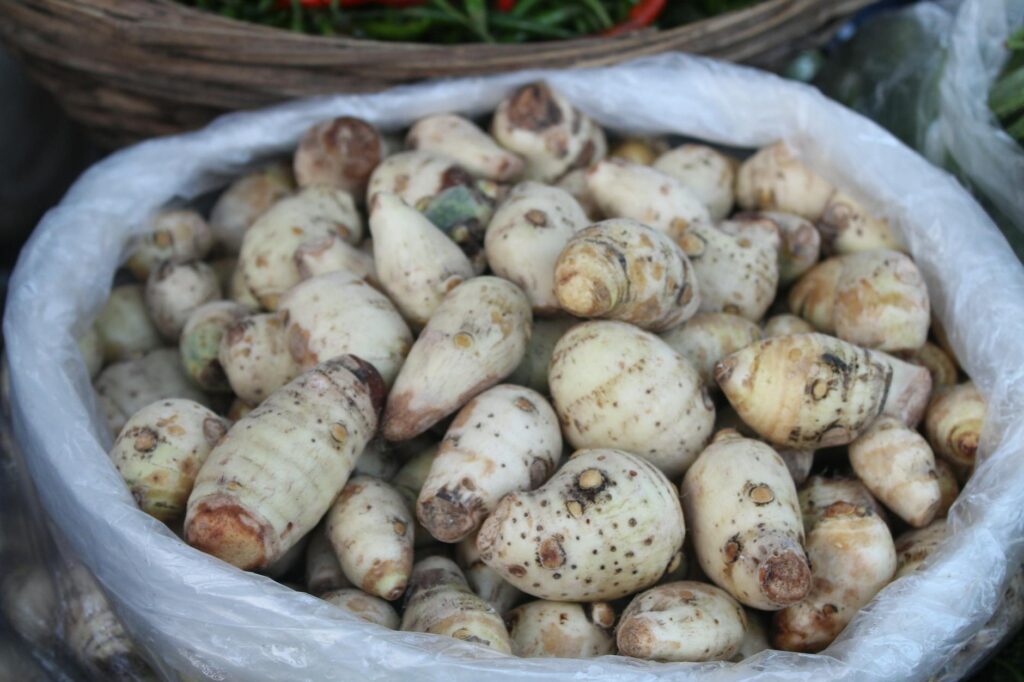
Taro is typically propagated through corms, which are the underground storage organs of the plant. When planting, choose healthy corms that are firm and free of disease. Planting is generally done in the spring or early summer, ensuring that the risk of frost is minimal. The corms should be buried about 4-6 inches deep to promote robust growth.
Water Management
Water management is critical in taro cultivation. The plant thrives in wet conditions, so maintaining a consistent level of moisture is essential. In flooded systems, fields are submerged in water, while in drier conditions, regular irrigation may be necessary.
Harvesting
Harvesting typically occurs between 6 to 12 months after planting, depending on the variety. Signs of maturity include the yellowing of leaves and the wilting of the plant. Careful harvesting is vital to avoid damaging the corms, which can lead to spoilage.
Post-Harvest Processing
Once harvested, taro should be cleaned and sorted. Any damaged or diseased corms must be removed to ensure quality. Taro can be stored in a cool, dry place for several weeks; however, it is best consumed fresh to fully appreciate its flavor and texture.
Quality and Grading
Quality assessment is essential in the production of taro, especially for commercial purposes. Grading is typically based on size, shape, and absence of defects. High-quality taro should be firm, with smooth skin and minimal blemishes.
Grading Standards
1. Grade A: Large, well-shaped corms with no visible defects.
2. Grade B: Medium-sized corms with minor blemishes but still suitable for culinary use.
3. Grade C: Smaller corms or those with significant imperfections, often used for processing or animal feed.
Understanding these grading standards is crucial for farmers and distributors alike, as they affect market pricing and consumer acceptance.
Buying Considerations
When purchasing taro, whether at a farmer’s market or a grocery store, consider the following factors:
1. Freshness: Look for firm, unblemished corms. Avoid those with soft spots or excessive wrinkling.
2. Variety: Taro comes in several varieties, each with unique flavors and culinary uses. Familiarize yourself with the types available in your region.
3. Origin: Knowledge of where the taro is sourced can provide insight into its quality and potential flavor profile. Local varieties may be fresher and more flavorful.
4. Storage Conditions: Ensure the taro has been stored properly to avoid spoilage or loss of quality.
Uses and Applications
Taro is a versatile ingredient that can be utilized in a variety of culinary applications. Its starchy, nutty flavor makes it a popular choice for both savory and sweet dishes.
Culinary Uses
- Savory Dishes: Taro can be steamed, boiled, or roasted and used as a side dish or incorporated into stews and curries.
- Desserts: In many cultures, taro is used to create sweet dishes such as puddings, cakes, and ice creams.
- Flour: Dried and ground taro can be transformed into flour, which is used in baking and cooking gluten-free products.
Non-Culinary Uses
Taro leaves, often referred to as “taro greens,” can also be cooked and consumed. They are rich in nutrients and can be used similarly to spinach or other leafy greens. Additionally, some cultures utilize taro in traditional ceremonies, emphasizing its cultural significance.
Storage and Shelf Life
Proper storage is essential to maintain the quality and freshness of taro. Here are key points to consider