
Taro Guides Guide Part 1
Introduction
Taro, a starchy root vegetable, is a culinary staple in many cultures around the globe. Known for its versatility and unique flavor, it plays an integral role in various dishes ranging from savory to sweet. This article serves as the first part of a comprehensive guide on taro, covering its history, production, quality grading, and more. Whether you are a culinary enthusiast, a food industry professional, or simply a curious reader, this guide aims to provide you with an authoritative understanding of this fascinating ingredient.
What Is Taro?
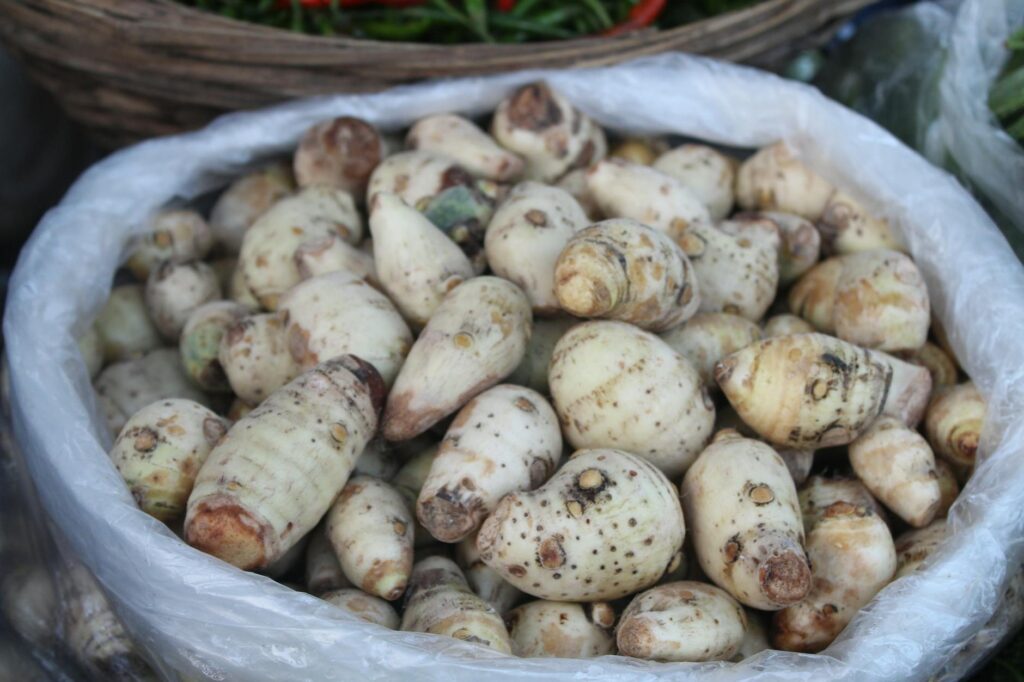
Taro (Colocasia esculenta) is a tropical plant known for its edible corms and leaves. It belongs to the family Araceae and is often cultivated in warm, moist climates. The corms are typically brown or purplish on the outside and white or purple on the inside, featuring a starchy texture. Taro is rich in carbohydrates, fiber, and essential nutrients, making it a valuable food source in many regions.
The plant thrives in wet conditions, often cultivated in paddies alongside rice. In addition to its culinary uses, taro is also valued for its ornamental qualities, with heart-shaped leaves that can create an attractive landscape feature.
History and Origins
The origins of taro can be traced back to Southeast Asia, with evidence suggesting its domestication over 2,000 years ago. It has been integral to the diets of Pacific Island nations, where it is often referred to as “kalo” in Hawaiian culture. Taro spread to other regions, including Africa, the Caribbean, and parts of South America, through trade and migration.
In ancient times, taro was considered a sacred plant in many cultures, often associated with fertility and abundance. It holds significant cultural importance in festivals and celebrations, where it is prepared in various traditional forms. The versatility of taro has allowed it to adapt to diverse culinary practices, making it a global ingredient.
Production and Processing
Taro cultivation requires specific climatic conditions, thriving in warm, humid environments with well-drained soil. Farmers often use methods such as puddling, which involves flooding the fields to improve soil structure and control weeds.
After harvesting, the corms must undergo careful processing to ensure they are safe for consumption. Raw taro contains calcium oxalate, which can cause irritation if consumed uncooked. Therefore, cooking methods such as boiling, baking, or steaming are essential to neutralize these compounds.
During processing, taro can be transformed into various forms, including flour, chips, and even taro-based beverages. The versatility of taro allows it to be used in both traditional and modern culinary applications.
Quality and Grading
The quality of taro is determined by several factors, including size, shape, texture, and color. High-quality taro should be firm, free of blemishes, and display a consistent color throughout. When grading taro, it is essential to consider the following classifications:
1. Size: Larger corms are often preferred for their higher yield and ease of preparation.
2. Texture: A smooth, unblemished surface indicates freshness and quality.
3. Color: While both white and purple varieties are popular, uniform color is essential for aesthetic appeal.
4. Moisture Content: The ideal moisture level contributes to the corm’s texture and flavor.
Quality assessments are typically conducted through visual inspection and tactile evaluation, with advancements in technology enabling more precise grading methods.
Buying Considerations
When purchasing taro, it is vital to consider several factors to ensure you select the best quality:
- Freshness: Look for corms that feel firm to the touch and are free from soft spots or visible decay.
- Appearance: Choose taro with a smooth exterior and uniform color. Avoid corms with mold or visible blemishes.
- Weight: A heavier corm typically indicates a higher starch content, contributing to its flavor and texture.
- Variety: Familiarize yourself with the different varieties of taro available in your region, as each may offer distinct flavors and culinary applications.
- Savory Dishes: Taro can be used in soups, stews, and curries, often serving as a hearty substitute for potatoes or other starchy vegetables. Its subtle flavor complements various spices and seasonings.
- Sweet Treats: In many Asian cultures, taro is transformed into desserts such as taro pudding, ice cream, and cakes. Its natural sweetness makes it an ideal ingredient for confections.
- Snacks: Taro chips and fries are popular snacks, retaining the unique flavor while providing a crunchy texture.
- Flour and Starch: Taro flour is increasingly used in gluten-free baking and as a thickening agent in sauces and soups.
Local markets often provide the freshest options, while specialty stores may carry unique varieties. If you’re unsure about the quality, seeking advice from knowledgeable vendors can also be beneficial.
Uses and Applications
Taro is incredibly versatile, finding its way into a range of culinary applications. It can be prepared in various forms, including:
The adaptability of taro allows chefs and home cooks alike to experiment with its flavor and texture across international cuisines.
Storage and Shelf Life
Proper storage of taro is essential to maintain its quality and prevent spoilage. Taro should be stored in a cool, dry place, ideally at temperatures between 50°F and 60°F (10°C to 15°C). Avoid exposing it to direct sunlight, as this can cause decay.
When stored correctly, fresh taro can last for several weeks. However, once cut, it should be wrapped tightly in plastic or stored in an airtight container and refrigerated to prevent oxidation. Cut taro is best consumed within a few days to enjoy its flavor and texture